
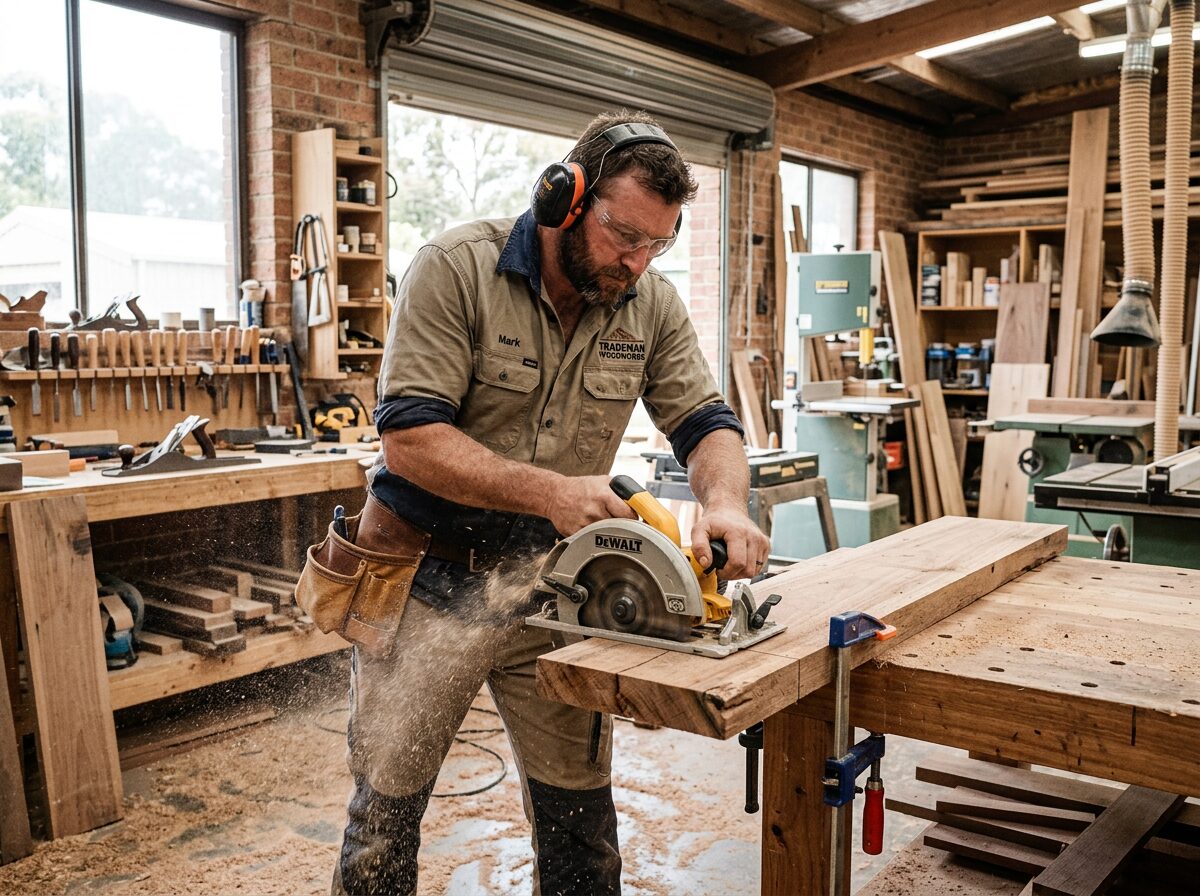
Tackling timber decking yourself can save money — but for some jobs, hiring a licensed carpenter is the smarter and safer choice. This guide weighs up the DIY-versus-professional decision so you know when to pick up the tools and when to pick up the phone.
Jobs you can often DIY
Simple, low-risk tasks are usually fair game for a confident homeowner — minor prep work, small cosmetic fixes and general maintenance. These carry little safety or compliance risk and can genuinely save on labour.
Jobs best left to a professional carpenter
- Timber decking
- Framing
- Door and window fitting
- Built-in shelving
- Pergolas
Anything involving structural work, safety systems or licensed trades should go to a qualified carpenter. Beyond the safety risk, unlicensed work can void insurance and cause headaches when you sell.
The true cost of DIY
DIY isn't free. Factor in tools, materials, your time, and the cost of fixing mistakes — which often ends up dearer than hiring a pro from the start. A carpenter brings the right equipment, buys materials at trade prices and gets it done faster.
A simple rule of thumb
If the job is licensable, risks your safety, or you'd be embarrassed to show the result to a buyer — hire a professional carpenter.
Frequently asked questions
Can I legally do my own carpenter work?
You can do unlicensable work on your own home, but licensable work must be done by a qualified professional. Check the rules in your state.
Will DIY void my insurance?
Botched or unlicensed work can affect claims. When in doubt, hire a licensed carpenter.
Ready to get quotes?
Compare qualified carpenters in your area on Aussie Trade Directory. Every listing shows licence details, service areas and verified reviews so you can shortlist with confidence. Find carpenters in your area →