
If you’re planning a heat pump installation or adding an extra electrical circuit, the short answer is: sometimes yes, sometimes no, and it depends on the type of work, where you live, and whether the job affects electrical, plumbing, or building systems.
In Australia, the key issue is not just whether a permit is needed, but also whether the work must be done by a licensed tradesperson. Electrical work in particular is tightly regulated, and most heat pump installs involve more than just mounting a unit on the wall.
When A Permit May Be Needed
For many straightforward replacements, you may not need a building permit. But a permit or approval can come into play if the job involves structural changes, new external penetrations, major alterations to the roof or wall, or work that changes the building’s compliance with the National Construction Code.
Common situations where approvals may be required include:
- installing a new outdoor unit on a wall that needs structural reinforcement
- running new pipework or cabling through fire-rated walls or ceilings
- modifying a switchboard or adding circuits that affect the overall electrical load
- placing equipment where it may impact setbacks, drainage, noise, or amenity requirements
- work on strata or body corporate property, where written approval is often needed before work starts
If you live in a townhouse, apartment, or unit, always check the owners corporation or strata rules before booking the job. Even if a building permit is not needed, you may still need formal approval from the strata manager or body corporate.
Heat Pump Installation: What’s Usually Involved
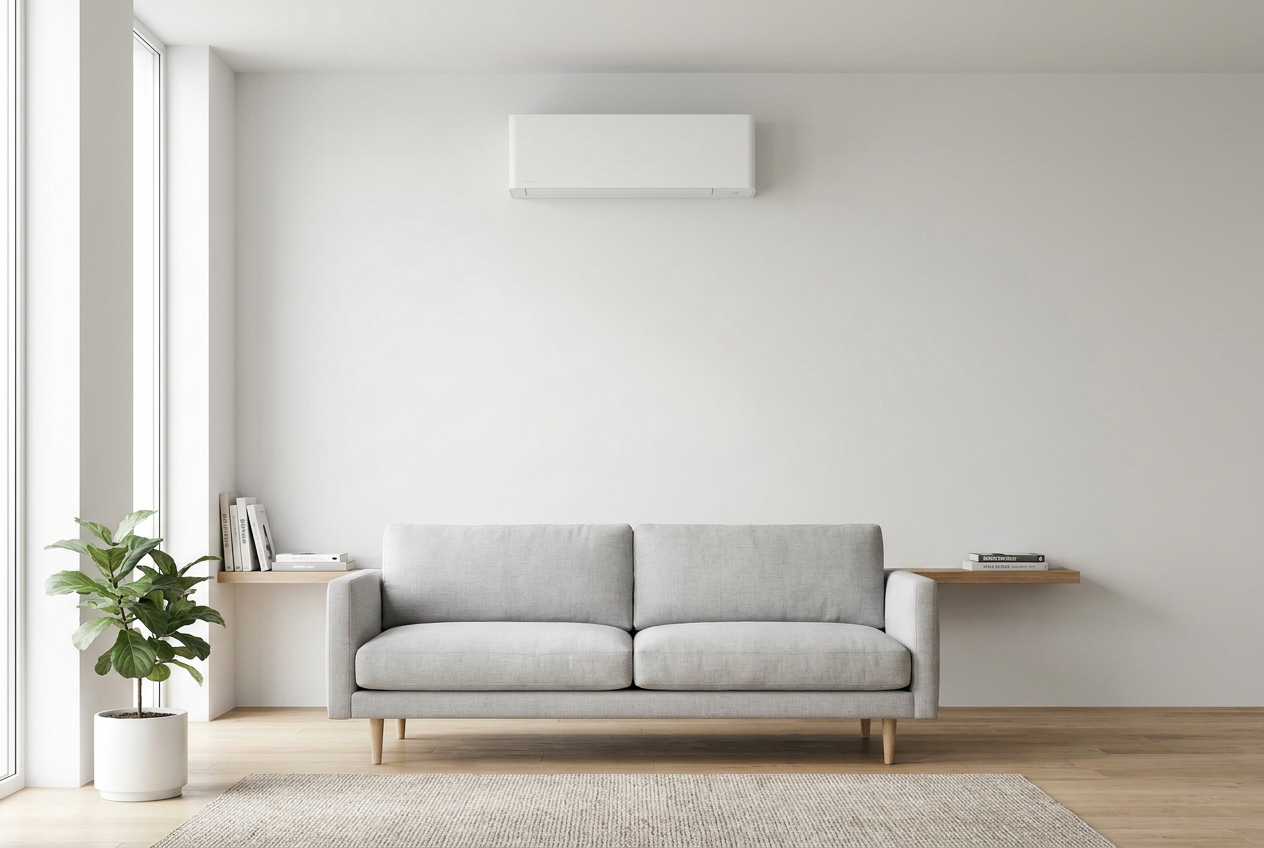
“Heat pump” can mean different things in Australia, most commonly a heat pump hot water system or a reverse-cycle air conditioner used for heating and cooling. Either way, installation often involves several trades.
A heat pump hot water system may need plumbing work, safe drainage, electrical connection, and sometimes a slab or mounting base. A reverse-cycle system usually needs licensed electrical work, refrigerant handling by an appropriately qualified technician, and careful placement of the outdoor unit for airflow and noise control.
That means the answer is rarely just “yes” or “no” on permits. A licensed installer should assess the site, check local requirements, and tell you whether any approvals are needed before work begins.
Extra Circuits: Why Licensing Matters
Adding an extra circuit is electrical work, and in Australia that must be done by a licensed electrician. It is not a DIY task. Electrical licensing is controlled by state and territory regulators, and unsafe or unlicensed work can create serious shock, fire, and insurance risks.
You may need an extra circuit if you are installing:
- a new heat pump hot water system
- a split system or ducted unit with higher electrical demand
- a spa, induction cooktop, or other high-load appliance
- an EV charger or workshop equipment
In some homes, the electrician may also recommend an upgrade to the switchboard or mains supply capacity. Whether that needs a separate approval can depend on the scope of work and local rules.
Permit, Approval, Or Just A Licensed Installer? A Quick Comparison
| Type of Work | Usually Needed | Who Should Do It |
|---|---|---|
| Like-for-like heat pump replacement | Often no building permit, but checks still needed | Licensed installer, and licensed electrician if electrical work is involved |
| New heat pump with structural changes | May need building approval | Licensed trades plus relevant approvals |
| Adding an extra electrical circuit | May need electrical compliance paperwork; permit depends on scope | Licensed electrician only |
| Work in a strata property | Often needs strata/body corporate approval | Licensed trades plus owner approval |
How To Check Before You Start
The safest way to avoid delays is to get the paperwork sorted before installation day. Start with these steps:
- Ask the installer what approvals may be needed for your exact job
- Confirm whether the work affects electrical, plumbing, or structural elements
- Check strata or body corporate rules if you live in shared property
- Speak with your state or territory building and licensing authority if you are unsure
- Make sure your contractor is appropriately licensed for the work they are doing
Safe Work Australia guidance also highlights the importance of using competent, licensed workers for higher-risk tasks. For homeowners, that means choosing trades who understand both the technical job and the compliance side.
Why It Pays To Get It Right
Skipping approvals or using the wrong person for the job can cause problems later, including failed inspections, insurance issues, unsafe installation, or the need to redo work. That is especially true for heat pumps, where electrical, plumbing, and building considerations can overlap.
Even a simple-looking installation can hide complications once the old unit is removed or the site is inspected. A good air conditioning technician will explain whether a permit is needed, arrange the right licensed trades, and help make sure the job meets Australian standards and local requirements.
If you are comparing options for your home, it can also help to look at the whole system upgrade, from energy efficiency to placement, drainage, and noise. Well-planned work is usually easier to maintain and more likely to perform properly through Australia’s hot summers and cooler winter nights.
For homeowners outside Australia, our sister site Trade Directory NZ may be useful for local guidance.
If you need help with a heat pump or extra circuit, find qualified local air conditioning technicians on Aussie Trade Directory and get the job assessed properly before work starts: local air conditioning technicians.