If you’re comparing insulation for an Australian home, you’ll usually come across glasswool, polyester and wool. They can all help keep your house warmer in winter and cooler in summer, but they are made differently, perform differently, and suit different parts of the home.
Choosing the right product depends on your roof space, wall cavity, budget, noise concerns, moisture conditions and whether anyone in the home has sensitivities. It also matters whether the product complies with the National Construction Code and is installed correctly for your climate zone.
What Each Insulation Type Is Made From
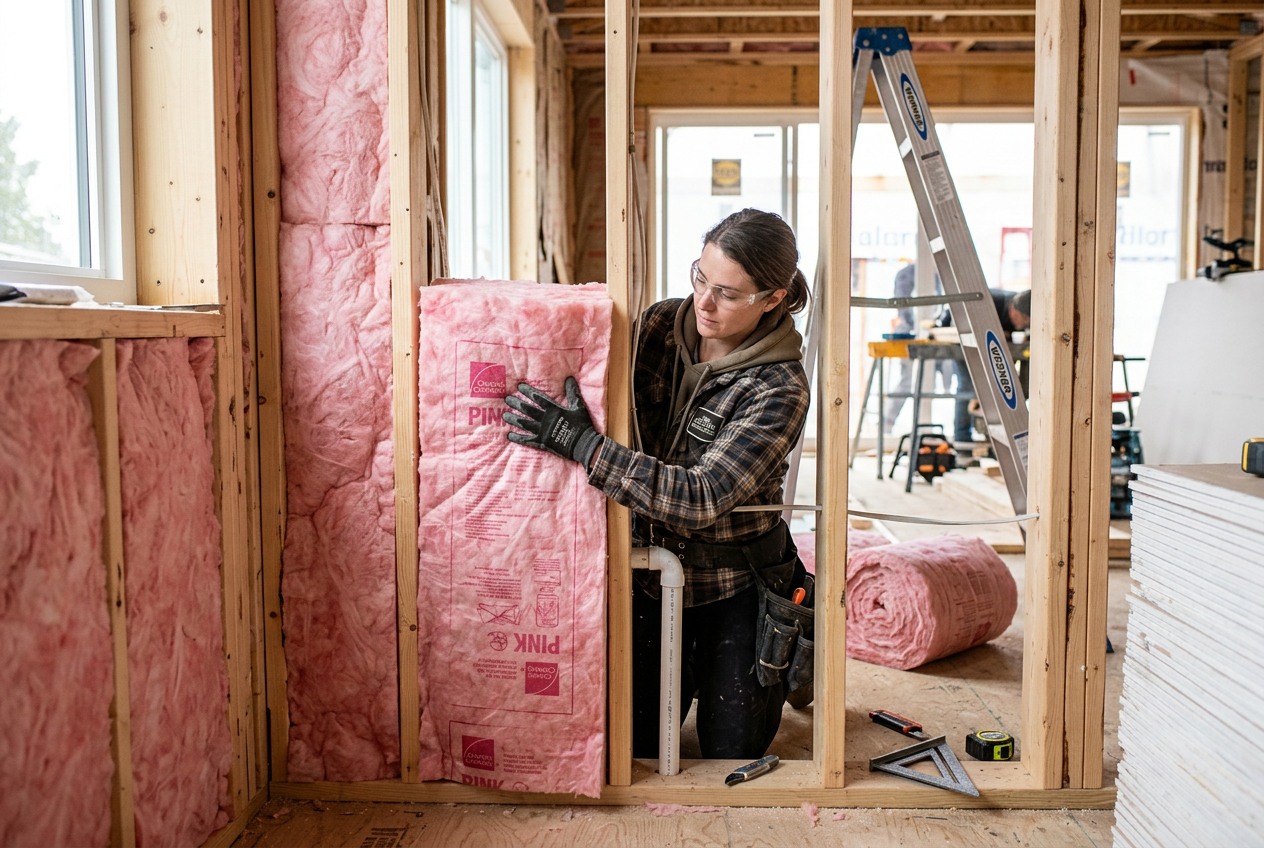
Glasswool is made from fine glass fibres, usually bonded into batts or rolls. It is one of the most common insulation materials in Australia and is widely available through retailers such as Bunnings and Mitre 10. Brands sold in Australia often sit under major manufacturers such as CSR Gyprock and other established building suppliers.
Polyester insulation is made from polyester fibres, often using recycled plastic materials. It is soft to handle, low in itch, and commonly chosen for wall, ceiling and roof applications where easier DIY handling is important.
Wool insulation is generally made from natural sheep’s wool, sometimes blended with other fibres to improve performance and stability. It is less common than glasswool or polyester, but it appeals to homeowners who want a natural product with strong moisture-buffering qualities.
Comparison At A Glance
| Type | Main Material | Best Known For | Things To Consider |
|---|---|---|---|
| Glasswool | Fine glass fibres | Good thermal and acoustic performance, widely available, generally budget-friendly | Can irritate skin and lungs during handling if PPE is not used |
| Polyester | Synthetic fibres, often recycled | Soft, low itch, easy for DIY installation | Usually thicker for similar performance and can be more expensive |
| Wool | Natural sheep’s wool | Natural material, moisture buffering, comfortable to handle | Less common, may cost more and needs correct product design for pests and settling |
How They Perform In Australian Homes
All three can be effective when correctly installed to the right R-value for your climate zone. In hot parts of Australia, ceiling insulation is often the biggest priority because it slows heat entering the home. In cooler regions, wall and underfloor insulation may also make a major difference.
Glasswool generally offers strong thermal performance and is often a practical option where you want value and easy access to standard batts. It also performs well acoustically, which is useful for bedrooms, shared walls and homes near traffic noise.
Polyester performs reliably for temperature control and sound reduction, but it may need more thickness to achieve the same thermal resistance as some other products. Many homeowners like it because it is non-itch and easier to cut and fit neatly in tight spaces.
Wool can help moderate moisture and feels pleasant to handle, which is why some people choose it for healthier indoor comfort. However, product quality matters: wool insulation needs proper treatment and design to avoid sagging, odours or pest issues over time.
Which One Is Best For Your Home?
The best choice depends on what matters most to you.
- Choose glasswool if you want a proven, widely available option that often suits budget-conscious upgrades.
- Choose polyester if you want a softer, less irritating product that is easier for DIY-minded homeowners to handle.
- Choose wool if you want a natural fibre product and are prepared to pay more attention to product quality and suitability.
If your main goal is reducing summer heat in a typical Australian roof space, a well-installed ceiling blanket or batts system is usually more important than the material alone. In many homes, correct fit, coverage and ventilation matter more than brand name.
You should also think about other building elements. For example, homes with Colorbond or other metal roofing may benefit from proper sarking, roof ventilation and insulation coordination. Wall linings such as Gyprock, cladding systems from James Hardie, and roof design all influence how much insulation you need and where it should go.
Safety, Installation And Compliance
Installing insulation in ceilings and underfloors can be a DIY job for some homeowners, but the space may be dusty, cramped or hot. Safe Work Australia guidance is a good reminder to use appropriate PPE, including gloves, a long-sleeve shirt, eye protection and a proper mask where needed.
Be careful around downlights, wiring, exhaust fans, plumbing and air-conditioning ductwork. Electrical work must be done by a licensed electrician. Gas work must be done by a licensed gasfitter, and certain plumbing tasks must be handled by a licensed plumber. If you are unsure what is safe to cover, move, or touch, get professional advice before starting.
In older homes, it is also wise to check for ceiling hazards such as deteriorated materials, vermin, mould or damaged wiring before adding new insulation. A licensed insulation installer can assess the roof space and recommend the right product and installation method for your home.
Bottom Line
Glasswool, polyester and wool insulation can all improve comfort, reduce energy use and help control noise in Australian homes. Glasswool is usually the most common and budget-friendly; polyester is popular for comfort and ease of handling; wool offers a natural alternative with moisture benefits.
The right option is not just about the material. It is about matching the product to your home, your climate, your budget and the way it will be installed. For a broader view of trade services, you can also compare options through Trade Directory NZ.
If you’re ready to improve your home’s comfort, find qualified local insulation installers on Aussie Trade Directory and get the job done properly with local insulation installers.