
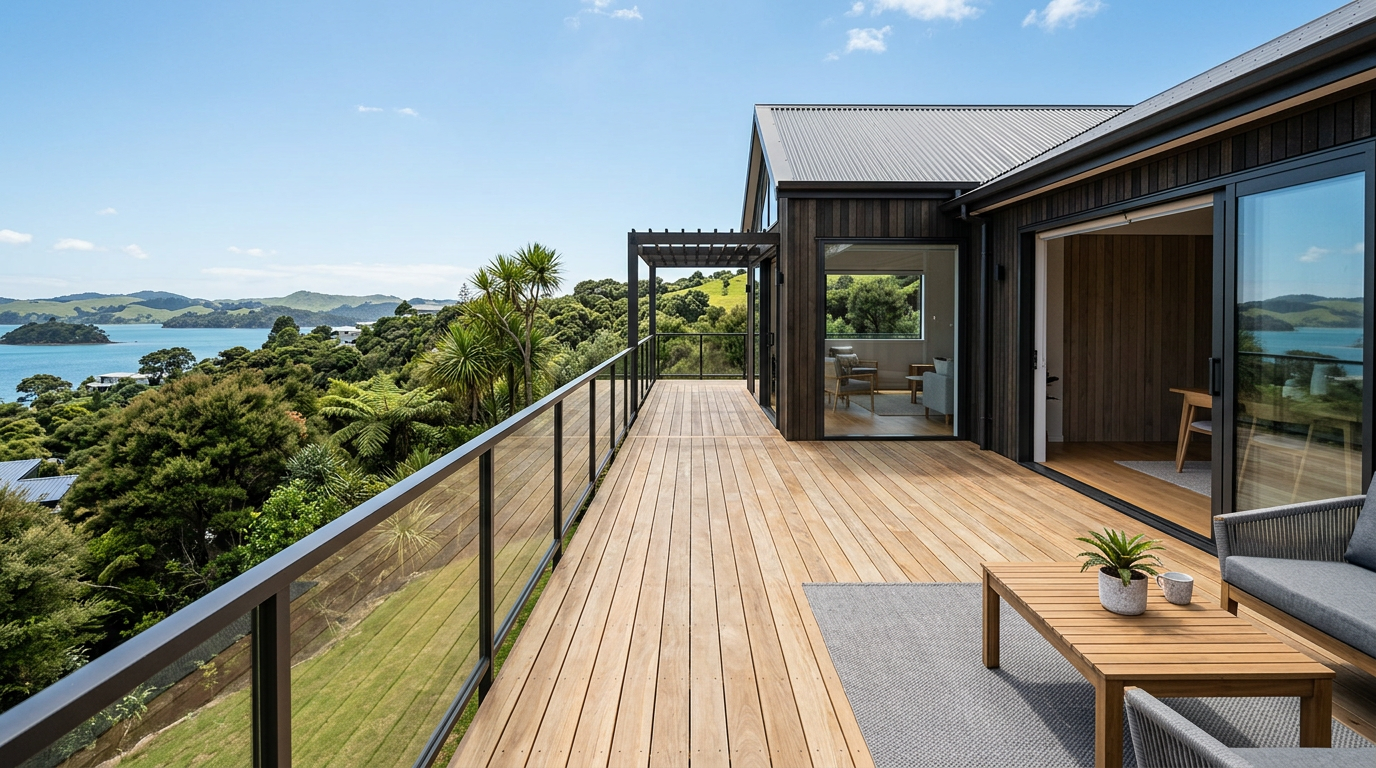
A low ground level deck is a great way to create an outdoor entertaining area, connect a house to the backyard, or tidy up an uneven patch of ground. Done well, it can look like part of the home rather than an add-on, and it can handle Australian weather much better than a rushed DIY job.
If you are handy, a simple low deck can be a manageable project. The key is getting the structure right, allowing for drainage and ventilation, and making sure the work complies with the National Construction Code and any relevant state-based rules. If the deck is attached to the home, unusually close to the ground, or involves structural changes, it is wise to check whether approvals or licensed trades are required.
Start With Planning And A Clear Deck Layout
Before you buy timber or start digging, work out exactly what you want the deck to do. Think about how you will use the space, where the doors open, and whether the deck needs stairs, privacy screening, or a transition to lawn or paving.
- Measure the area carefully and mark the deck outline with string lines or spray paint.
- Check the fall of the ground so you know where water naturally runs.
- Allow enough clearance for airflow under the deck.
- Consider sun exposure, shade, and wind, especially in exposed Australian backyards.
A low deck usually sits close to ground level, but “low” does not mean it can sit directly on the soil. In most cases, you still need a framed structure with proper footings, durable materials, and enough clearance to reduce moisture damage and termite risk.
Choose Materials Suited To Australian Conditions
For a low deck, your main choices are generally timber or composite decking. Both can work well, but each has different maintenance needs and performance in different climates.
| Material | Best For | Points To Consider |
|---|---|---|
| Hardwood or treated structural timber | A natural look and a classic deck finish | Needs correct fixing, sealing, and ongoing maintenance |
| Composite decking | Lower maintenance and consistent appearance | May be more expensive and still needs a properly built frame |
| Galvanised or coated hardware | Corrosion resistance | Important in coastal or damp areas |
For joists, bearers, posts, and fixings, use materials rated for outdoor use and appropriate to your location. In termite-prone areas, you should also think about pest management and suitable physical barriers where required. If you are unsure, ask a local supplier such as Bunnings or Mitre 10 for products suited to your climate zone, and confirm they meet Australian standards.
Build The Frame, Footings, And Deck Surface
The frame is what makes the deck strong and level. Even a low deck needs a solid base, properly supported bearers and joists, and enough fixings to resist movement over time. On many projects, the process follows this general order:
- Set out the deck position and check it is square.
- Prepare the ground, removing grass, roots, and loose organic material.
- Install footings or pads as required for the design and soil conditions.
- Build the subframe and level it carefully.
- Fix the decking boards with even gaps for expansion and drainage.
Because ground level decks are close to moisture, drainage is critical. The area under the deck should not trap water. A slight fall away from the house is often important, and the underside should stay ventilated. If the deck connects to brick veneer, weatherboard, or another external wall, do not bridge moisture paths or block drainage details.
When fixing decking boards, leave consistent spacing so rain can drain and timber can move naturally through hot summers and wet winters. Stainless steel or suitable exterior-grade screws are often a better choice in harsh coastal or high-moisture environments.
Know When You Need A Licensed Pro
Some parts of a decking project can be DIY, but there are clear limits. Structural work must be done competently and in line with the NCC and local requirements. Electrical work for outdoor lighting, power points, ceiling fans, or heating must be completed by a licensed electrician. Plumbing and gas work are also strictly licensed trades in Australia.
If the deck is attached to the house, raised in a way that creates structural loads, or involves modifications to doors, cladding, or waterproofing, it is sensible to get advice from a licensed carpenter or builder. State and territory Fair Trading or consumer affairs bodies can help explain licensing and building requirements in your area.
Good Safety Habits On Site
- Use eye, hearing, and hand protection.
- Follow Safe Work Australia guidance on power tools and safe manual handling.
- Keep the work area clear of offcuts, nails, and tripping hazards.
- Do not work on unstable ground or in wet conditions that make tools and footing unsafe.
Finish, Maintain, And Protect Your Deck
Once the deck is built, the finishing stage matters just as much as the structure. Timber decks should be cleaned, allowed to dry properly, and then coated with a suitable exterior finish such as a Dulux, Taubmans, or British Paints decking product, depending on the timber type and exposure. Composite decking usually needs less finishing, but it still benefits from regular cleaning.
Keep an eye on movement, loose screws, mould, and leaves collecting under the deck. A low deck that is maintained well will last longer and look better. Annual checks are a smart habit, especially after heavy rain, hot spells, or storm season.
If you are planning the project yourself, the safest approach is to treat it like a small structural build, not just a carpentry exercise. Careful planning, the right materials, and proper drainage will make the difference between a deck that lasts and one that becomes a maintenance headache.
If you are comparing ideas for home improvement inspiration, you can also browse Trade Directory NZ.
For a deck that is level, compliant, and built to last, find qualified local carpenters on Aussie Trade Directory and connect with local carpenters near you.