
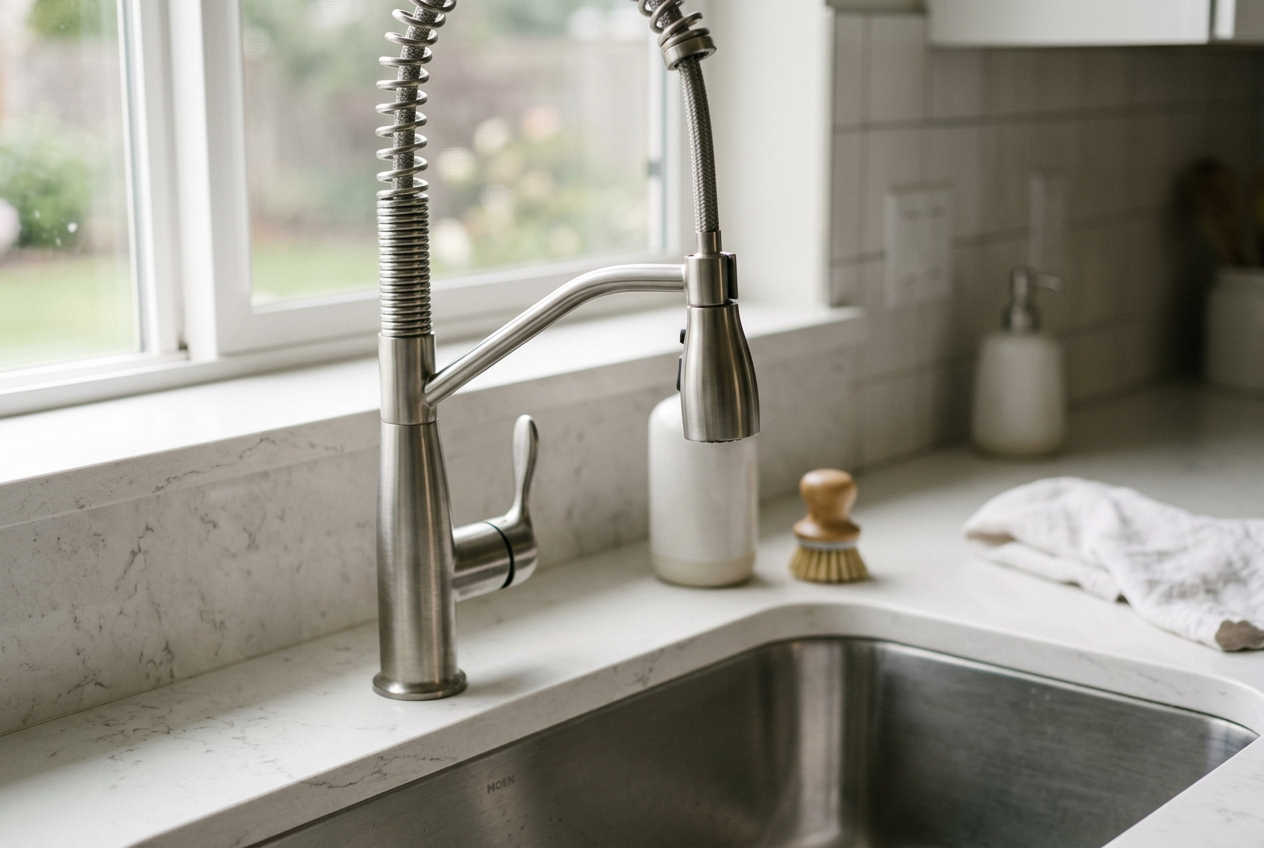
Getting ready for a plumber before they arrive can save time, reduce labour, and help the job go smoothly. Whether you’re dealing with a leaking tap, blocked drain, hot water issue or a bathroom renovation, a little prep makes a big difference. For Australian homes, it also helps the plumber work safely and in line with local plumbing rules and the National Construction Code.
If you’re unsure whether a job needs a licensed tradesperson, play it safe. Plumbing, gas fitting and many related tasks must be carried out by a licensed professional in Australia, and state-based licensing and Fair Trading bodies can advise on the rules in your area.
Before the Plumber Arrives
The best preparation starts with a quick walkthrough of the issue. Try to note exactly what’s happening, when it started, and whether it affects one fixture or the whole house. If a pipe is leaking only when the dishwasher runs, or a drain backs up after heavy rain, that information can help the plumber diagnose the problem faster.
- Clear the area around sinks, toilets, hot water units, drains or exposed pipes.
- Move buckets, cleaning products, laundry baskets and stored items out of the way.
- Make sure pets are secured and children are kept clear of the work area.
- Check that the plumber can access side paths, garages, manholes, the meter box and outdoor taps if needed.
- Locate any previous quotes, manuals or warranty details for fixtures, tapware or appliances.
If the job is in a bathroom, laundry or kitchen, remove items from cupboards beneath the sink so the plumber can get straight to the fittings. In older homes, there may also be access panels behind baths, vanities or wall linings that need to be opened beforehand if they’re easy to reach.
Know Where the Important Shut-Offs Are
One of the most helpful things you can do is find and test the main water shut-off valve before there’s an emergency. Many Australian homes also have separate isolation valves for toilets, sinks, dishwashers, washing machines and hot water systems. If a leak starts during the repair, these valves can limit damage while the plumber is on the way or already working.
You should also know the location of any gas isolation point if the plumber is dealing with a gas appliance or hot water system. Gas work must be done by a licensed gasfitter, so do not attempt to disconnect or modify gas fittings yourself.
| What to Locate | Why It Helps | Who Should Handle It |
|---|---|---|
| Main water shut-off valve | Lets the plumber safely isolate the home’s water supply | Homeowner can locate it; plumber should operate it if unsure |
| Fixture isolation valves | Makes minor repairs faster and reduces water disruption | Homeowner can identify them; plumber can use them during the job |
| Gas isolation valve | Important for gas appliance work and safety checks | Licensed gasfitter only |
| Hot water system access | Helps with servicing, replacement or fault-finding | Licensed plumber or gasfitter, depending on the system |
Help the Job Go Faster and Safer
A plumber can only work as efficiently as the site allows. If access is tight, take a few minutes to open gates, unlock side entrances and clear a path to the work area. In an apartment or townhouse, make sure the building manager, strata contact or relevant access arrangements are ready if the plumber needs entry to common property or shared services.
It also helps to think about what might be affected by water shut-off. If the plumber needs to isolate the whole house, fill the kettle, and set aside drinking water for the day if necessary. For families working from home, make a plan for bathrooms, laundry and any appliances that rely on water.
For safety, never ask a plumber to work in a dangerous area without warning them first. Wet floors, mould, poor lighting, loose tiles and damaged ceilings can all create hazards. Safe Work Australia guidance encourages basic site safety measures, and homeowners should do their part by making the work area as tidy and accessible as possible.
Give Clear Information About the Problem
The more accurately you describe the issue, the easier it is for the plumber to bring the right tools and parts. Mention whether the problem is constant or intermittent, whether it’s getting worse, and whether you’ve already tried anything simple like tightening a tap handle or clearing a surface blockage.
Useful details to share include:
- Where the problem is located and what fixtures are involved.
- Any noises, smells, water pressure changes or slow drainage.
- Whether nearby rooms, floors or walls have signs of dampness.
- Any renovation work, recent maintenance or appliance installations.
- Whether the plumbing is old, new, or mixed across different parts of the home.
If the issue involves a burst pipe, major leak or sewage overflow, tell the plumber it’s urgent. In serious cases, turn off the water if you can do so safely and stay clear of contaminated water. Do not use electrical appliances near flooding, and arrange an electrician if there’s any electrical safety concern.
What Not to Do Before the Visit
It’s tempting to try to fix plumbing problems yourself, but some tasks are best left alone. In Australia, plumbing, drainage, gas fitting and many fixture connections are restricted work and must be completed by a licensed professional. DIY attempts can make the fault worse, create hidden leaks, or cause compliance issues under the National Construction Code.
Avoid these common mistakes:
- Forcing stuck fittings, which can crack pipes or valves.
- Using harsh chemicals on drains if the plumber may need to open the line.
- Removing gas appliance connections or water heater fittings yourself.
- Patching over leaks with temporary fixes that hide the source of the problem.
- Turning off valves you don’t recognise if you may need them again later.
If you’ve already tried a simple DIY fix, be honest about it. That information helps the plumber understand the history of the problem and may save time on diagnosis.
Final Checks on the Day
Before the plumber arrives, do one last check that the working area is accessible, the issue is easy to see, and any pets or children are clear. Have your phone nearby in case the plumber needs to call ahead, and keep notes handy if there’s more than one issue to discuss. If the work is part of a renovation, mention any plans to replace fixtures with products from Australian suppliers such as Bunnings or Mitre 10, or finishes from brands like Dulux, Taubmans or British Paints, so the plumber can consider the setup around the plumbing fixtures.
Good preparation won’t replace a licensed plumber, but it can make the appointment faster, safer and more productive. It also helps protect your home from extra mess and keeps the job focused on the real problem.
For homeowners comparing the broader trades process, you can also find useful guidance through Trade Directory NZ.
If you need a qualified local tradesperson, use Aussie Trade Directory to find local plumbers who can handle the job properly and in line with Australian requirements.