
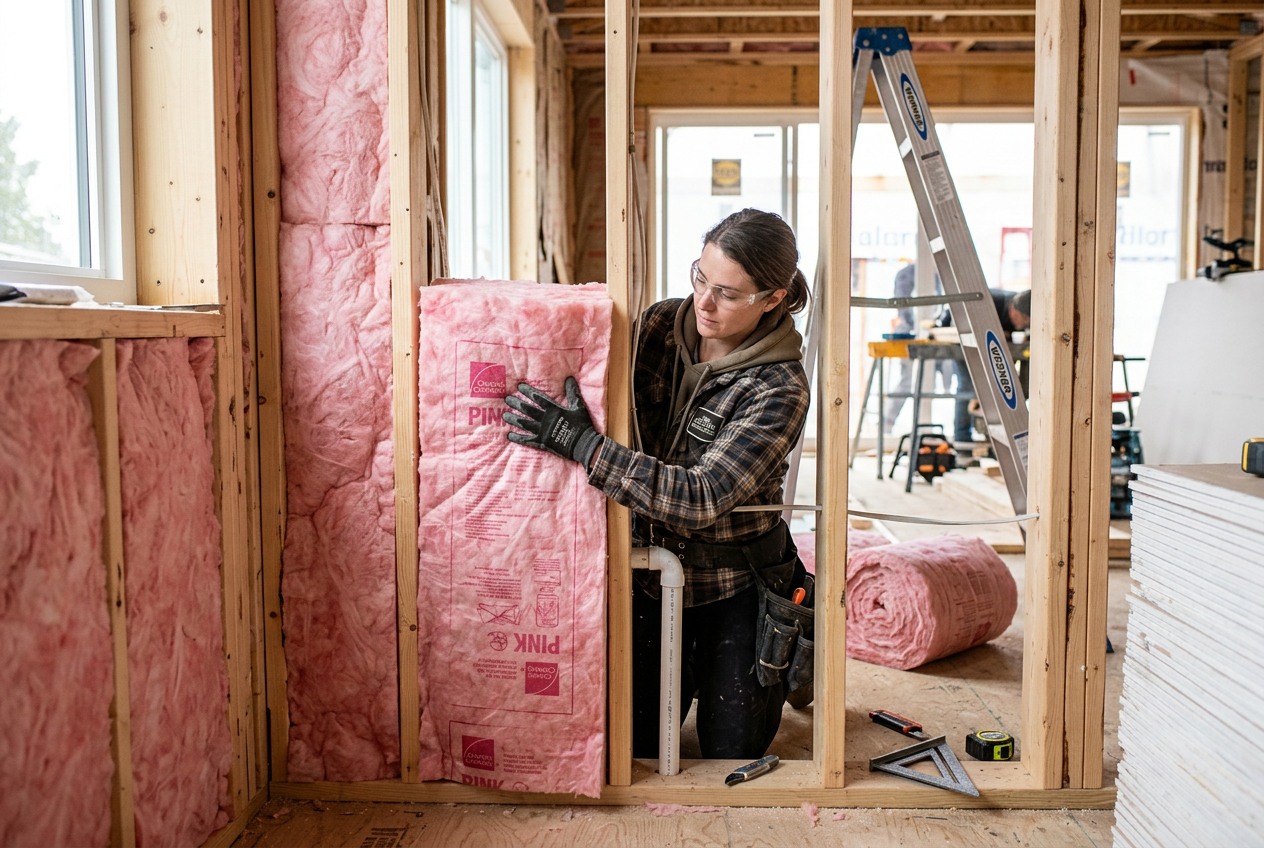
If you’re booking an insulation installer, a bit of preparation can make the job quicker, safer and less stressful. Whether you’re having ceiling batts topped up, underfloor insulation installed or wall insulation retrofitted, the main aim is to give the installer clear access to the work area and a safe place to work.
Good preparation also helps the installer inspect the space properly, spot any issues before they become a problem, and avoid delays on the day. Here’s how to get your home ready for an insulation installation in an Australian home.
Start By Clearing Access To The Work Areas
Insulation installers need easy access to the ceiling space, underfloor area, walls or subfloor depending on the job. The less clutter they have to work around, the faster and safer the installation will be.
- Move stored items away from manholes, attic access points and hallway entry points.
- Clear the area under the home if underfloor insulation is being installed.
- Remove furniture, boxes, toys and anything fragile from rooms where access is needed.
- Make sure driveways, side paths and gates are unobstructed if materials need to be brought in.
If you have ceiling storage, it’s worth removing anything you can access easily. For hard-to-reach storage, let the installer know in advance so they can work around it safely.
Check For Electrical, Lighting And Safety Issues
Ceiling and underfloor work often involves moving around wiring, light fittings, downlights and other services. In Australia, any electrical work must be done by a licensed electrician. Do not touch, alter or disconnect wiring yourself.
Before the installer arrives, check for the following and mention anything unusual:
- Exposed wiring in the roof space or under the floor
- Damaged light fittings, fans or ceiling roses
- Downlights that run hot or have missing covers
- Power points, switches or cables located in the work area
- Solar system wiring, antenna cabling or other services in the roof space
If there are signs of damage, overheating or loose electrical components, book a licensed electrician before insulation goes in. It’s also a good idea to tell the installer if you know of any existing faults, even if they seem minor.
Make The Roof Space Or Subfloor Safe To Enter
Installers need a safe work environment, and that starts with basic access. Most roof spaces are dusty, hot and tight, and subfloors can have low clearance, damp patches or uneven ground. Safe Work Australia guidance and general WHS duties mean hazards should be reduced as much as reasonably possible.
To help:
- Ensure attic ladders, manholes and access panels open properly.
- Replace blown globes in access areas so the installer can see clearly.
- Check for obvious water leaks, mould, pest activity or rotten timber.
- Keep children and pets well away from the work zone on the day.
If you notice wet insulation, sagging ceiling material or staining, raise it with the installer before work begins. In some cases, the installer may recommend another trade first, such as a roof plumber or builder, especially if there’s a leak or structural issue.
Remove Or Protect Items That Could Be Affected
Insulation work can create dust, debris and movement in roof cavities or under floors. It’s smart to protect belongings before the team arrives.
| Area | What To Do Before Installation |
|---|---|
| Living rooms and bedrooms | Move furniture away from ceiling access points and cover items if dust is likely. |
| Roof space | Remove stored items you may want to keep clean or undisturbed. |
| Underfloor area | Clear loose items, garden tools or stored goods from under the house. |
| Laundry and wet areas | Make sure appliance areas are accessible and dry. |
If you’ve recently painted with Dulux, Taubmans or British Paints, or finished interior linings with Gyprock/CSR products, remember fresh surfaces can still be marked or dusted during trade work. Covering nearby items and trimming back clutter helps protect the finished look.
Tell The Installer About Existing Problems
A good installer will want to know what’s going on in your home before they start. Be upfront about anything that may affect the job, such as:
- Past roof leaks or water damage
- Visible mould or musty smells
- Pest activity, including rodents or birds in the roof space
- Existing ceiling cracks or sagging plaster
- Previous renovation work that may have altered the ceiling or walls
If your home has metal roofing, Colorbond or BlueScope materials, or cladding systems from brands such as James Hardie, let the installer know if there have been recent changes or repairs. That context can help them plan access and avoid disturbing other building elements.
Arrange Access, Timing And Household Planning
On the day, the installer may need access to several parts of the home, and some work can be noisy or dusty. Try to plan ahead so the household isn’t caught off guard.
- Confirm who will be home and who will let the installer in.
- Keep driveways, gates and entry paths available.
- Move cars if they block access for equipment or materials.
- Let the installer know about alarms, pets, locked rooms or sensitive areas.
- Plan for windows to stay open or closed depending on the job and weather.
In hotter parts of Australia, roof spaces can be extreme, so installers may start early or work in stages. In cooler climates, damp conditions under the home may also affect timing. A flexible attitude helps the job run smoothly.
When To Call Other Trades First
Insulation isn’t always the first fix. If the installer finds active leaks, unsafe wiring, pest damage, asbestos-containing materials or structural issues, another licensed trade may need to deal with those problems before insulation is installed. Electrical work must be handled by a licensed electrician, plumbing concerns by a licensed plumber where required, and larger building repairs by an appropriate licensed builder or trade professional.
It’s also sensible to check that your installer is appropriately insured and familiar with Australian homes, building conditions and the National Construction Code. If you’re unsure, ask questions before booking so you know exactly what’s included and what isn’t.
For more trade guidance and homeowner tips, you can also visit Trade Directory NZ.
Once your home is clear, safe and ready, finding the right installer becomes much easier. If you’re looking for trusted help, start with local insulation installers on Aussie Trade Directory.