
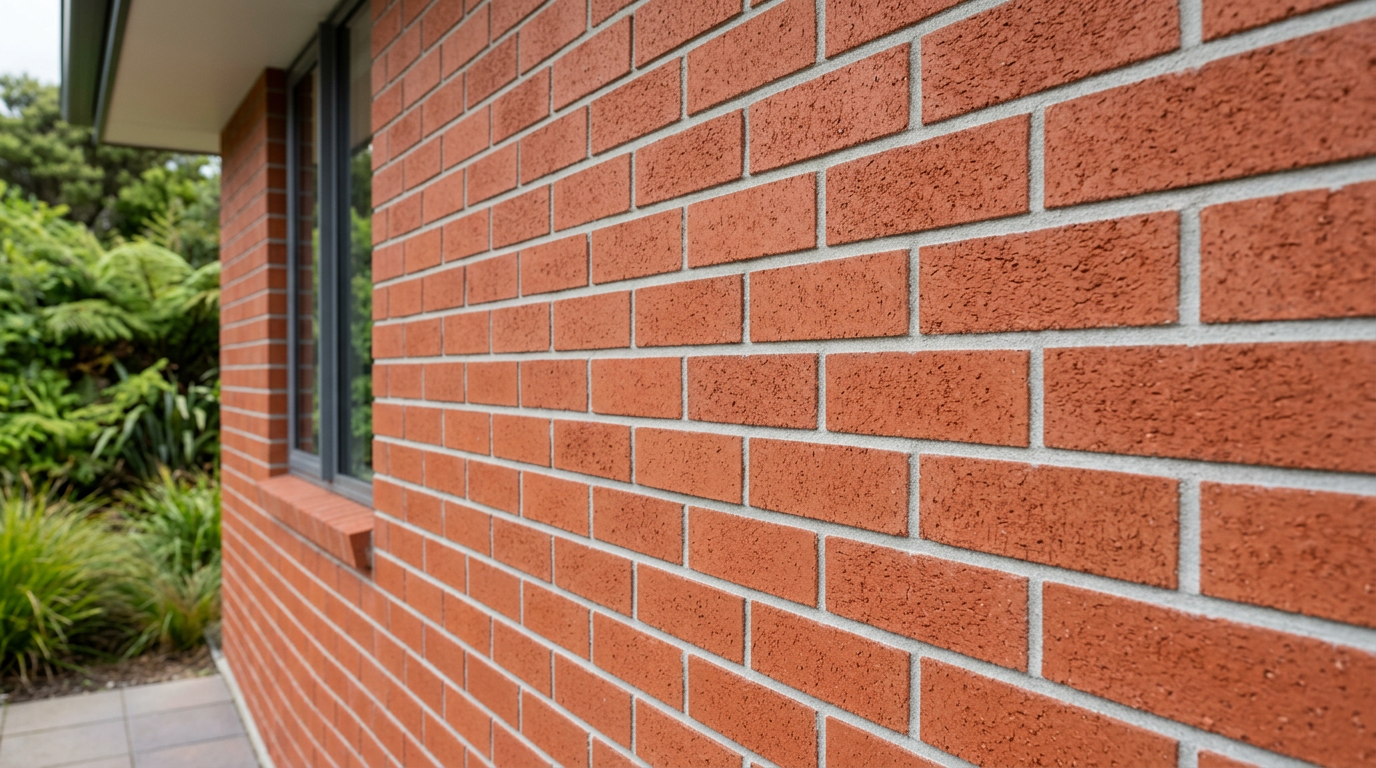
Hiring a renderer can make a huge difference to the look, durability and weather resistance of your home. A good render job can refresh tired brickwork, improve street appeal and help protect walls from the Australian elements. But not every renderer offers the same level of experience, preparation or finish, so it pays to ask the right questions before you commit.
Whether you’re planning acrylic render over brick, a cement render finish, or repairs to existing render, the questions below will help you compare tradies properly and avoid costly surprises.
Start With Experience And Credentials
Rendering may look straightforward, but a quality result depends on surface preparation, product choice and good workmanship. Start by asking about the renderer’s experience with homes like yours, especially if your walls are brick, block, Hebel, fibre cement, or existing rendered surfaces.
- How long have you been rendering homes in Australia?
- Have you worked on properties similar to mine?
- What types of render do you specialise in?
- Can you show photos of recent jobs or provide references?
It’s also wise to ask whether they are properly licensed or registered where required. Licensing rules vary by state and territory, and some rendering work may fall under building or trade registration requirements. Check that the renderer complies with the relevant state Fair Trading or building regulator requirements, and if the work is part of a larger renovation, make sure any other trades involved are also properly licensed.
If the job involves electrical, gas or certain plumbing work, that part must be done by a licensed professional. A renderer should not be touching anything outside their scope unless the right specialist is engaged.
Ask About Products, Preparation And The Finish
Not all render systems are the same, and the best one for your home will depend on the substrate, weather exposure and desired finish. Good renderers should be able to explain their process clearly without jargon.
- What render system do you recommend for my home and why?
- Will you use a standard cement render, acrylic render, or another system?
- How do you prepare the surface before rendering?
- Do you handle cracks, patching and movement joints first?
- What finish options are available?
Preparation matters just as much as the coating itself. Ask whether they’ll clean the surface, repair damaged areas, remove loose material and use the right primer or bonding agent. On older homes, especially those exposed to harsh sun, driving rain or coastal conditions, poor prep can lead to cracking, debonding or early failure.
You should also ask what brands or systems they use. Many Australian renderers work with products from established suppliers and paint brands such as Dulux, Taubmans or British Paints for the final coat or sealer, depending on the system. For substrate-related work, they may mention products from CSR Gyprock, James Hardie or BlueScope/Colorbond-compatible materials where relevant to the broader wall system. The key is not the brand alone, but whether the system suits your home and the local climate.
Check Workmanship, Weather Protection And The Job Plan
Australia’s weather can be tough on exterior finishes, so ask how the renderer plans to manage heat, wind, rain and curing times. A professional renderer should be able to explain how they’ll protect the work during the job and how long it needs before painting or sealing.
| Question | Why It Matters |
|---|---|
| How do you protect render during hot or wet weather? | Helps prevent cracking, wash-off and poor curing. |
| How long before painting or sealing? | Ensures the surface is ready for the next step. |
| Who handles scaffolding, masking and cleanup? | Makes responsibilities clear and avoids extras later. |
| Will you provide a written scope of works? | Shows exactly what is included in the job. |
It’s a good sign if the renderer talks about curing times, mesh reinforcement, expansion joints and the need for proper substrate movement. They should also explain whether the job needs access equipment or scaffolding to meet Safe Work Australia guidance and keep the site safe.
Ask who will actually do the work. Some businesses quote the job but send different labourers on site. That’s not necessarily a problem, but you should know whether the person quoting will also be supervising the finish and quality control.
Get Clear On Price, Timing And Aftercare
Instead of asking only “How much?”, focus on what is included. The cheapest quote can end up being expensive if it leaves out surface repairs, masking, scaffolding, sealing or repainting preparation.
- What exactly is included in your quote?
- Are prep work, materials, labour and cleanup all covered?
- How long is the job likely to take?
- What happens if hidden damage is found once you start?
- Do you offer any workmanship warranty or aftercare advice?
Ask for the quote in writing and make sure it clearly lists exclusions as well as inclusions. If the renderer expects you to organise painting, sealing, access equipment or waste removal, that should be spelled out before the job starts.
You should also ask how to maintain the finish once the job is done. A good renderer can tell you when it’s safe to wash the wall, when to paint, and what sort of cleaning is suitable over time. This is especially important for homes in hot inland areas, humid coastal zones or places that cop plenty of rain and strong UV.
Useful Questions To Compare Renderers Properly
If you’re speaking with a few different tradies, these quick questions can help you compare them side by side:
- Are you licensed or registered for this type of work in my state or territory?
- What render system would you use on my walls?
- How do you handle cracks, damp spots or uneven surfaces?
- What products do you use and why?
- How will you protect the site and nearby finishes?
- What is included in the quote and what is extra?
- How do you manage weather delays?
- Can you provide recent references or examples of similar work?
Choosing a renderer is about more than price. You want someone who understands Australian homes, local weather and the right preparation for a durable finish. A clear, confident answer to the questions above is usually a sign you’re dealing with a professional who takes the work seriously.
If you’re also comparing trade services across the Tasman, you can take a look at Trade Directory NZ.
Ready to get started? Find qualified local renderers on Aussie Trade Directory and compare experienced local renderers in your area.