
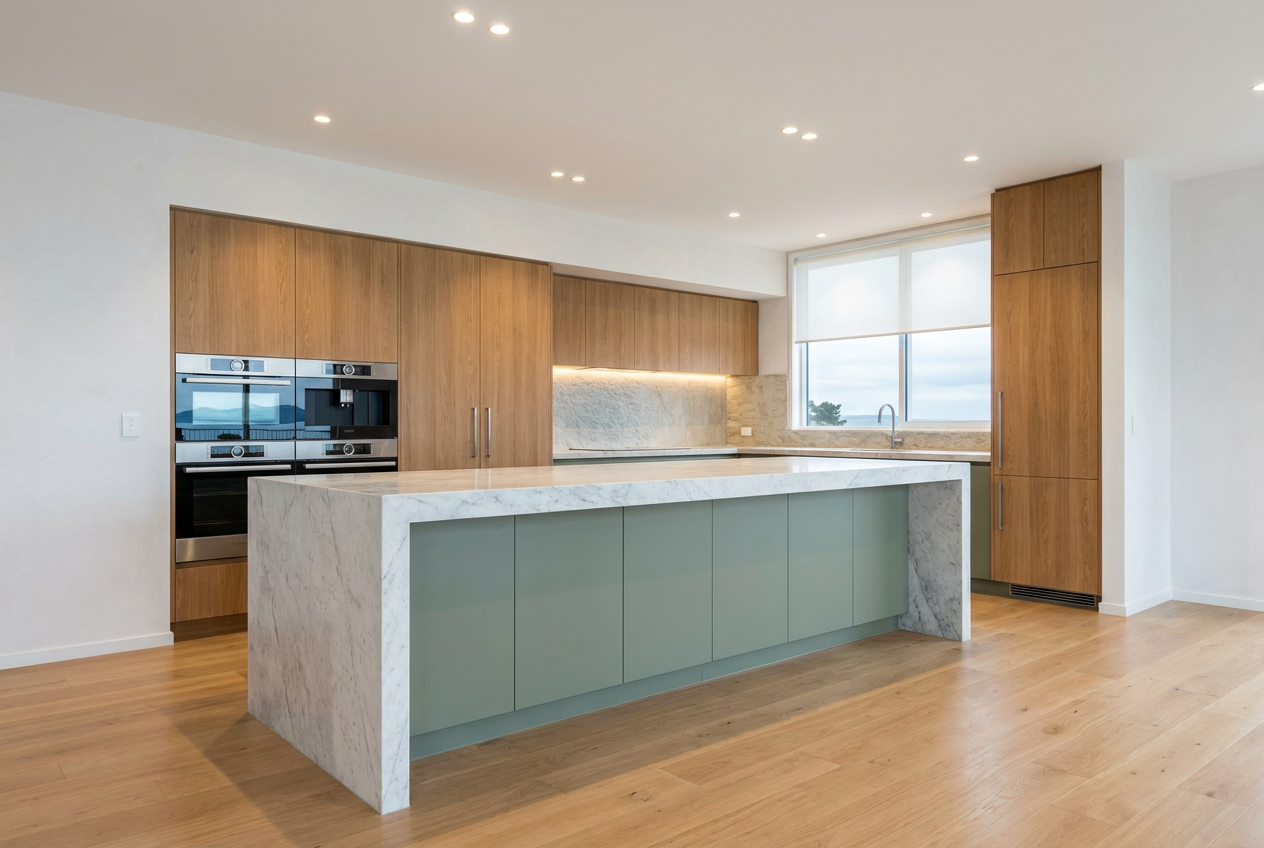
Hiring a joiner should feel straightforward: clear communication, solid workmanship, and a result that suits your home. Whether you need built-in cabinetry, custom shelving, a new laundry fit-out or detailed timberwork, the right tradie will make the process easy. The wrong one can leave you with delays, poor finishes, and a lot of stress.
If you’re comparing quotes or speaking with potential tradespeople, it helps to know the warning signs early. Here are the red flags to watch for when hiring a joiner in Australia.
1. They Can’t Explain Their Experience Clearly
A good joiner should be able to talk you through similar jobs they’ve completed, the materials they recommend, and the steps involved. If they’re vague about their experience, dodge questions, or seem to guess at basic details, that’s a concern.
Ask about:
- the type of joinery work they specialise in
- recent projects similar to yours
- whether they work from plans, site measurements, or both
- what timber, board, hardware, or finishes they prefer and why
For more detailed jobs, especially those involving built-in cabinetry or custom fit-outs, a proper understanding of measurement, installation, and finish quality matters. You want someone who can explain their approach in plain English.
2. The Quote Is Missing Important Detail
A rushed quote with very little detail is a common warning sign. A professional joiner should provide a clear scope of work so you know what’s included and what isn’t. If the quote is just a single lump sum with no explanation, you may end up with disputes later.
Look for detail around:
- materials and hardware
- design assumptions and measurements
- site prep and installation
- paint, stain, or finishing work
- who is responsible for disposal or clean-up
Be wary if a joiner says, “Don’t worry, we’ll sort it out later,” without putting anything in writing. Good tradespeople know that clear paperwork prevents confusion.
3. They Don’t Mention Licensing, Insurance, Or Compliance
In Australia, some work around the home is legally restricted and must be completed by a licensed professional. Electrical work, gasfitting, and certain plumbing tasks are not joinery jobs and must be handled by the right licensed tradesperson. A joiner should understand the limits of their role and be upfront if another trade is needed.
Depending on your state or territory, some building and carpentry-related work may also require appropriate registration or licensing. You can check with your state-based Fair Trading or consumer affairs body if you’re unsure. It’s also sensible to ask whether they carry public liability insurance and workers compensation where required.
Compliance matters too. Work should suit the National Construction Code and any relevant Australian standards, especially if the joinery forms part of a larger renovation or fit-out.
4. They Pressure You To Decide Quickly
A joiner who pushes for an instant decision, wants a large upfront payment without explanation, or creates artificial urgency can be a red flag. Good tradespeople are often busy, but they should still allow you time to compare quotes and ask questions.
Pressure tactics may sound like:
- “I can only do it if you sign today.”
- “No need to read the terms.”
- “Cash only, and upfront.”
There’s nothing wrong with a deposit in many jobs, but it should be reasonable and clearly documented. You should always know what it covers, when work is scheduled, and how variations are handled.
5. Their Work Photos Look Too Good — Or Too Limited
Portfolio photos can be useful, but they should look real and relevant. Watch out for images that seem copied from elsewhere, overly edited, or completely unrelated to the type of work you need. A handful of glossy photos without context is not enough.
Better signs include:
- photos of completed work from multiple angles
- examples of different jobs, not just one perfect project
- before-and-after images that show genuine progress
- references or testimonials you can verify
If possible, ask whether they can show you a recent job that matches your style, whether that’s modern cabinetry, classic timber detail, or a practical laundry or pantry fit-out.
6. Communication Is Sloppy From The Start
How a joiner communicates before the job often reflects how they’ll handle the job itself. Missed calls, slow replies, messy paperwork, or contradictory answers are all worth noting.
Reliable communication usually includes:
- prompt responses to your enquiry
- clear appointment times
- confirming measurements and scope
- explaining any changes before they happen
If they can’t keep basic communication organised before starting, it may become a bigger issue once materials are ordered and installation begins.
7. They Don’t Want To Measure Or Inspect The Site Properly
Joinery is precise work. A joiner who wants to quote without visiting the site, or who takes only rough measurements, may be setting you up for problems. Kitchens, wardrobes, vanities, and built-ins often need careful checking of walls, floors, ceilings, and existing services.
In Australia, homes can vary a lot in age and construction type. Older houses may have uneven floors or out-of-square walls, while newer homes may still need adjustments for cabinetry or custom fit-outs. A proper site measure helps avoid gaps, poor alignment, and installation headaches.
Quick Comparison: Green Flags Versus Red Flags
| What You Want | Green Flag | Red Flag |
|---|---|---|
| Experience | Clear examples of similar joinery work | Vague answers or no past jobs to show |
| Quote | Detailed scope and inclusions | One-line quote with missing details |
| Compliance | Knows when licensed trades are required | Brushes off legal requirements |
| Communication | Prompt, organised, and professional | Hard to reach or constantly changing answers |
| Site Visit | Proper measuring and inspection | Rough guesswork only |
Trust Your Instincts And Ask For Proof
If something feels off, slow down and ask more questions. A trustworthy joiner should be happy to explain their process, provide references, and put key details in writing. That includes materials, finishes, timeframes, and who is responsible for what.
It also helps to compare more than one quote and check that the work suits your home, budget, and timeline. For finishes such as painted cabinetry or built-in timber features, you may also want to discuss how the joinery will sit alongside other materials like Gyprock/CSR linings, James Hardie products, or Colorbond/BlueScope exterior elements where relevant.
If you’d like more trade guidance, you can also visit Building or renovating across the Tasman? Our sister site Trade Directory NZ covers the same topics for New Zealand homeowners.