
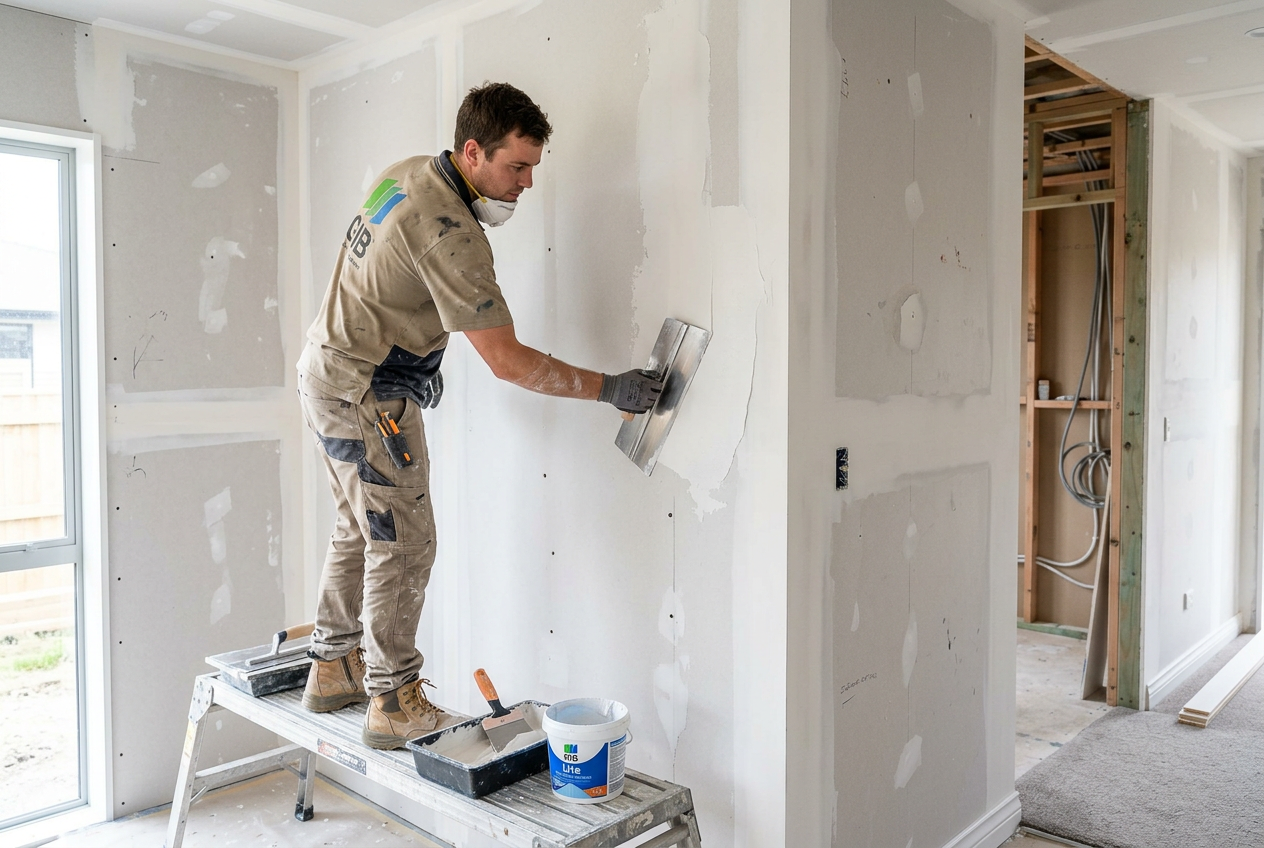
Hiring a plasterer might seem straightforward until a rushed quote, patchy communication or poor workmanship turns a small job into a bigger headache. Whether you need wall repairs, ceiling fixes, internal linings or a full renovation finish, choosing the right plasterer matters. A good plasterer will leave smooth, durable surfaces ready for painting. A poor one can leave cracking, uneven joins, visible patching and costly rework.
Here are the main red flags Australian homeowners should watch for before signing anything or handing over a deposit.
Warning Signs Before The Job Starts
The first clues usually show up during quoting and initial contact. If something feels off early, trust your instincts and keep looking.
- No written quote: A reputable plasterer should provide a clear written quote that outlines the scope of work, materials, exclusions and timing.
- Vague answers: If they can’t explain what plasterboard, setting compound, cornice or finishing system they’ll use, that’s a concern.
- Pressure to decide quickly: Be wary of anyone pushing you to “lock it in now” without giving you time to compare.
- No proof of insurance: Ask for evidence of public liability insurance. If the job involves employees or subcontractors, proper coverage is especially important.
- No references or recent local work: A trustworthy tradie should be able to point you to previous jobs or happy clients.
If the job involves structural changes, water-damaged areas, fire-rated systems or work affecting compliance with the National Construction Code, make sure the plasterer understands the relevant requirements. In some cases, other licensed trades may also need to be involved. Electrical work, gas fitting and certain plumbing tasks must always be handled by a licensed professional.
Red Flags In Quotes And Contracts
A detailed quote is one of the best ways to compare plasterers fairly. Look beyond the headline price and check what is actually included.
| What To Check | Good Sign | Red Flag |
|---|---|---|
| Scope of work | Lists each area, repair type and finishing level | Generic wording like “plaster job” with no detail |
| Materials | Names products or systems, such as Gyprock/CSR, James Hardie or suitable setting compounds | No mention of materials at all |
| Preparation | Includes sanding, gap filling, surface prep and clean-up | Preparation and finishing left out |
| Timeline | Reasonable start and finish expectations | Promises of an unrealistically fast turnaround |
| Variations | Explains how extras will be approved | No process for changes or surprises |
Be cautious if a quote is dramatically lower than others. It may mean corners will be cut on preparation, drying time, finishing coats or labour. Sometimes a cheap quote becomes expensive once the plasterer starts adding extras for things that should have been included from the beginning.
You should also be wary of cash-only arrangements or requests for a large deposit with little explanation. A professional plasterer should be comfortable with normal business practices, receipts and a clear paper trail.
Workmanship Red Flags During The Job
Even if the quote looked good, the real test is the quality of the work on site. Keep an eye out for these signs while the job is underway.
- Poor surface prep: Dust, loose material or damaged board left unaddressed before plastering begins.
- Visible join lines: Taped joins, corners or patch edges that remain obvious after finishing.
- Cracking or bubbling: These can point to rushed work, poor drying conditions or incorrect application.
- Uneven finishes: Flat walls should look flat. Obvious ridges, dips or trowel marks are not acceptable on a quality job.
- No protection of your home: A careful plasterer should protect floors, fixtures and nearby finishes, and clean up properly.
Australia’s climate can also affect plastering outcomes. Hot, dry conditions can speed up drying and make finishing trickier, while humid or wet weather can slow curing and increase the risk of defects if the job is rushed. A skilled plasterer will plan around conditions and use the right materials for the job, whether it’s a standard internal wall, a bathroom, or a more demanding repair area.
Communication And Professionalism Matter Too
Plastering is a skilled trade, but professionalism matters just as much as trowel technique. If communication is poor before the job starts, it often gets worse later.
- Hard to contact: Missed calls, ignored messages or constant no-shows are a bad sign.
- Blaming everything else: If every issue is someone else’s fault, they may not take responsibility for their own work.
- Dismissive about your concerns: A good plasterer will answer questions and explain options without attitude.
- Unclear about warranty or follow-up: They should be willing to return if a legitimate defect appears after completion.
It’s also worth checking whether they understand the materials being used in your home. For example, the right product choice may differ between standard plasterboard, fibre cement sheets such as James Hardie, or a moisture-prone space like a laundry or bathroom. If the plasterer brushes off these differences, that’s a concern.
How To Protect Yourself Before You Hire
You do not need to be a building expert to make a smart hiring decision. A few simple checks can save you time and stress.
- Ask for a written quote with a clear scope.
- Compare at least a few quotes so you can spot outliers.
- Check reviews, but look for detail rather than just star ratings.
- Ask what materials they recommend and why.
- Confirm they carry appropriate insurance.
- Make sure any required permits, licensing or compliance issues are addressed before work starts.
If you’re renovating, repainting with Dulux, Taubmans or British Paints later, a better plaster finish will make the final paint job look much more professional. That’s why it’s worth spending time on the hire decision now instead of fixing problems later.
For homeowners across Australia, the safest approach is simple: choose someone who communicates clearly, provides a proper quote, uses suitable materials and respects your home. If you want to compare local options, you can also check Trade Directory NZ.
Ready to get started? Find qualified local plasterers on Aussie Trade Directory and choose a pro you can trust.