
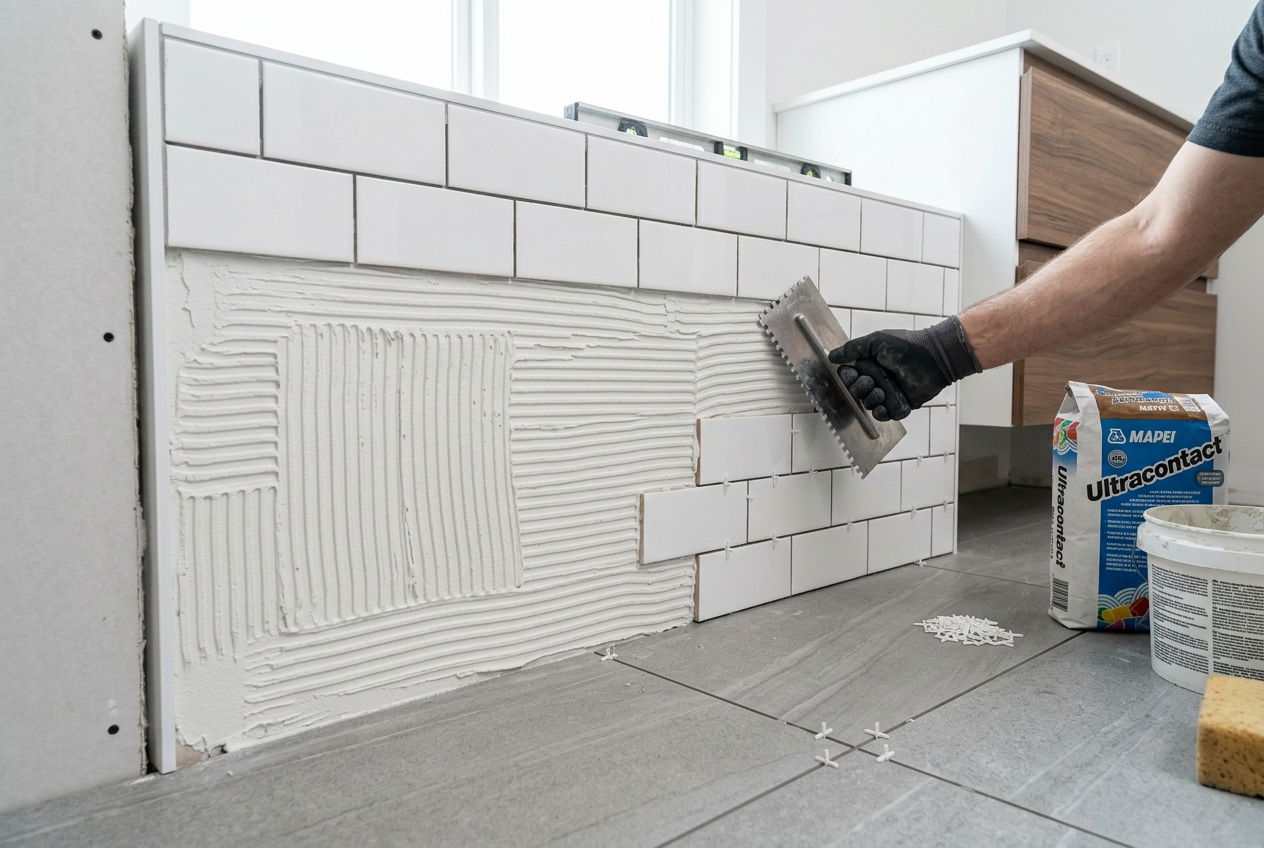
Hiring a tiler can make or break a bathroom, kitchen or outdoor area. A good tradesperson will talk you through the job, set realistic expectations and deliver a finish that suits Australian homes and conditions. But if you spot warning signs early, you can avoid costly mistakes, delays and headaches down the track.
Here are the main red flags to watch for when hiring a tiler, plus what a reliable tiler should be able to provide instead.
Big Warning Signs Before The Job Starts
First impressions matter. If a tiler is vague, disorganised or reluctant to answer basic questions, take that seriously. In Australia, tiling work often needs to meet the National Construction Code and must be carried out safely and competently, especially in wet areas such as bathrooms and laundries.
- No clear written quote: A verbal ballpark with no scope, inclusions or exclusions is risky. You want to know exactly what is covered, including prep, waterproofing, grout, trims and cleanup.
- Can’t explain the process: A professional should be able to explain surface preparation, substrate checks, waterproofing requirements and curing times in plain English.
- Pushes for a cash-only deal: Be wary if they avoid paperwork or want everything kept informal. A proper business should provide a written agreement and receipt.
- No proof of licence or registration where required: Licensing rules vary by state and territory. Check with your local Fair Trading or building authority if the work involves regulated building work, waterproofing or related trades.
- Hard sell on materials you don’t understand: If they keep steering you away from reputable products without a good reason, ask why. A good tiler should be comfortable working with quality products from trusted suppliers such as Bunnings or Mitre 10, and compatible systems from recognised manufacturers.
Red Flags During The Quote And Planning Stage
The quote stage should give you confidence. If it does the opposite, slow down. Good tilers will ask questions about tile type, room use, floor movement, drainage and whether the area is internal or external. That matters in Australia, where heat, humidity and coastal conditions can affect performance.
| What You Want | Red Flag | Why It Matters |
|---|---|---|
| Clear scope of work | “We’ll sort it on the day” | Ambiguity often leads to extras, disputes or unfinished details. |
| Site-specific advice | No questions about substrate or waterproofing | Wet areas and outdoor spaces need proper prep to last. |
| Realistic timing | Promises an unusually fast turnaround | Rushing can mean poor adhesion, uneven set-out and messy grout lines. |
| Product knowledge | Dismisses underlay, adhesives or sealants as unimportant | Compatibility matters, especially with large-format tiles and outdoor paving-style installations. |
Be especially cautious if the tiler avoids discussing expansion joints, falls to wastes, or waterproofing details. These are not “nice to haves”; they are essential in many Australian wet areas. If the job also involves plumbing adjustments, gas work or electrical changes, those parts must be done by a licensed professional in the relevant trade.
Problems That Show Up On The Job
Sometimes the warning signs don’t appear until the work begins. Keep an eye out for poor workmanship, shortcuts and a lack of communication.
- Poor preparation: Tiling over dusty, damaged or uneven surfaces is a major red flag. A quality finish starts with proper substrate prep, not just good-looking tiles.
- Skipping waterproofing steps: In wet areas, waterproofing must be done correctly and in line with Australian requirements. If the tiler treats it as optional, stop and ask questions.
- Messy layout and poor set-out: Uneven grout lines, awkward cuts at the most visible edges, or tiles starting from the wrong point usually point to rushed planning.
- Uses the wrong adhesive or grout: Different tiles and locations need different products. What works in a dry laundry may not suit a steamy bathroom or sun-exposed alfresco area.
- Won’t correct obvious defects: If you raise a concern and they become defensive instead of fixing it, that is a serious warning sign.
A reliable tiler should also protect your home. That means dust control, tidy storage of materials and basic respect for surrounding finishes such as painted walls from Dulux, Taubmans or British Paints, and adjacent surfaces like Gyprock or CSR linings and James Hardie wall cladding.
How To Protect Yourself Before You Hire
You can reduce risk by checking a few basics before the first tile is laid:
- Ask for photos of recent work, ideally similar to your job.
- Check whether they are insured and whether the work needs a specific licence or registration in your state or territory.
- Get the scope in writing, including prep, waterproofing, tile layout, trim details and cleanup.
- Confirm who is supplying materials and which products will be used.
- Ask how they handle cracked tiles, lippage, movement joints and other common issues.
It’s also worth speaking to more than one tiler. Comparing the way they explain the job can tell you a lot. A professional will be upfront, calm and specific, not evasive or dismissive.
If you’re renovating outdoors, remember Australia’s climate can be tough on finishes. Heat, driving rain and strong sun all increase the need for proper preparation, movement accommodation and product selection. For external areas, a tiler should understand how to build a finish that performs as well as it looks.
If you’re also comparing trade resources, you may find it useful to visit Trade Directory NZ.
For peace of mind on your next project, find experienced local tilers on Aussie Trade Directory and choose someone who communicates clearly, works to Australian standards and respects your home.