
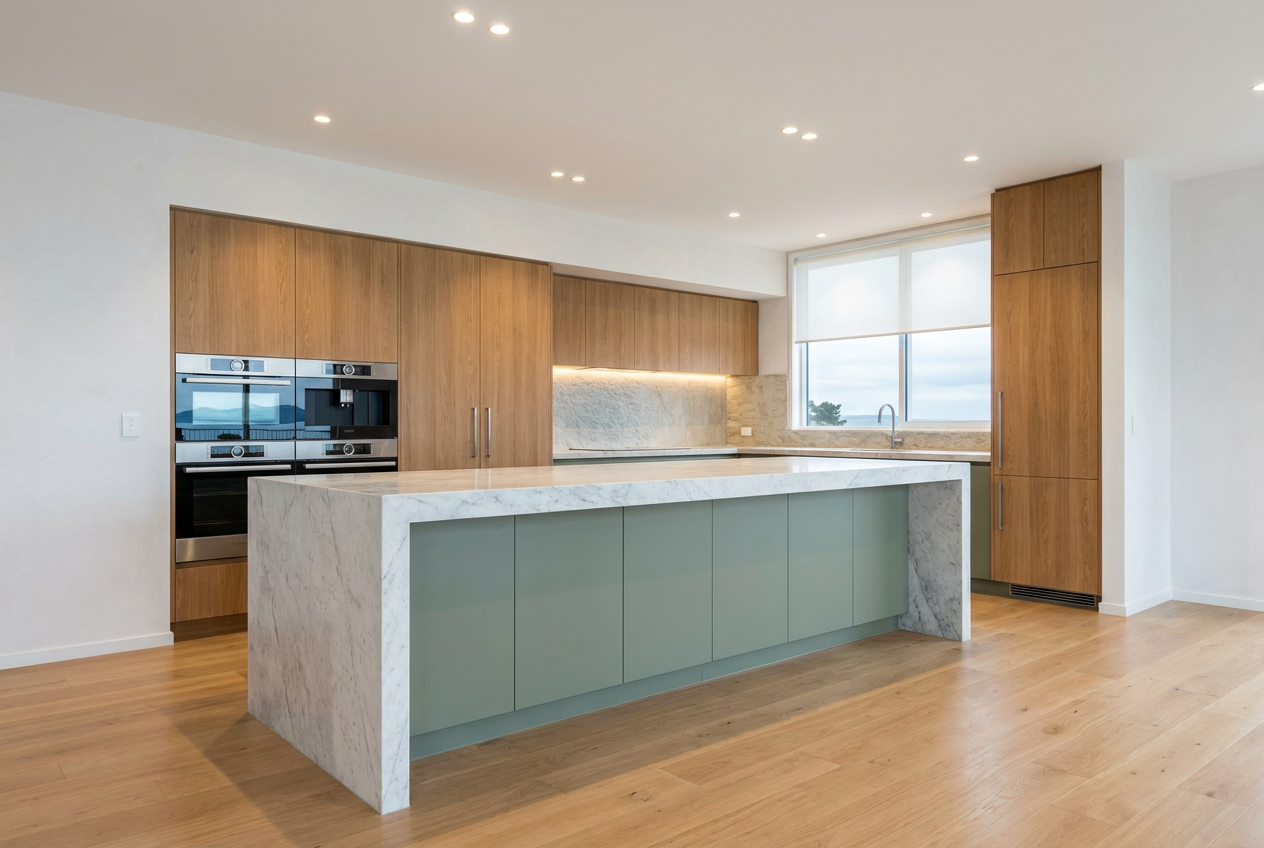
Kitchen and joinery problems often start small: a sticky drawer, a laminate edge lifting, a pantry that never quite fits what you need. But when the issues keep adding up, it may be time to call a cabinet maker. A skilled cabinet maker can design, build and repair cabinetry that suits your home, your storage needs and the way Australians actually live.
Whether you’re dealing with a dated kitchen, a cramped laundry, a tired bathroom vanity or a custom storage challenge, knowing when to bring in a professional can save time, stress and costly mistakes. Here are the clearest signs it’s worth calling in a cabinet maker.
1. Your Cabinets No Longer Work For The Way You Live
One of the biggest signs is simple: your cupboards are still standing, but they no longer suit your household. Maybe you’ve added a new appliance, started storing bulk groceries, or need better access for kids, older family members or mobility needs. Off-the-shelf cabinets from Bunnings or Mitre 10 can be handy for basic setups, but they don’t always solve awkward room layouts or unique storage problems.
A cabinet maker can design joinery around your exact space, including corners, alcoves, sloping ceilings and tight laundry rooms. If you’re constantly moving things around just to reach everyday items, custom cabinetry may be the better long-term fix.
2. Doors, Drawers And Hinges Keep Failing
A bit of wear is normal, especially in busy Australian kitchens and bathrooms exposed to heat, moisture and everyday use. But repeated problems can point to more than age. If drawers stick, cabinet doors sag, runners fail, or hinges keep pulling away from the frame, the cabinetry may be worn out, poorly built, or made from materials that are not holding up well in your home.
Minor hardware replacements can sometimes help, but if the carcasses are swollen, warped or loose, repairs may only be temporary. A cabinet maker can assess whether the joinery is worth salvaging or whether it makes more sense to rebuild part or all of it.
3. You Can See Water Damage Or Swelling
Bathrooms, laundries and kitchens are high-risk areas for moisture damage. If you notice swollen panels, bubbling laminate, mould around kickboards, discoloured edges or a musty smell, don’t ignore it. Water ingress can spread through cabinetry and cause more damage behind walls or under benchtops.
Before any cabinet work begins, leaks need to be fixed properly. Plumbing work that involves water connections must be handled by a licensed plumber in Australia. Once the source of the moisture is dealt with, a cabinet maker can replace damaged sections and help you choose materials that better suit humid or splash-prone areas.
4. You’re Planning A Renovation Or Layout Change
If you’re renovating, a cabinet maker is often one of the most valuable trades to involve early. They can help you make practical decisions about storage, appliance spacing, benchtop heights, pantry configuration and how the room will flow.
This is especially useful if you’re changing the layout of a kitchen, laundry or built-in storage area. Moving cabinets, integrating an island, creating a mudroom, or fitting a new appliance wall often requires precise measuring and careful coordination with other trades. In some cases, electrical work will need a licensed electrician, and any structural changes must meet the National Construction Code and relevant state rules.
Common situations where a cabinet maker adds value
- Custom kitchen or laundry storage
- Built-in wardrobes and linen cupboards
- Bathroom vanities made to fit awkward spaces
- Entertainment units and shelving
- Shopfront or office joinery
- Repairs to damaged or outdated cabinetry
5. You Want Better Quality Than Flat-Pack Solutions
Flat-pack cabinetry can be a practical option for simple projects, but it has limits. If you want a cleaner finish, better use of space, stronger materials or a design that suits your home’s style, a cabinet maker may be the better choice. Custom joinery can also be matched more closely to your flooring, benchtops, paintwork and fixtures, whether you’re using Dulux, Taubmans or British Paints on the surrounding walls.
In homes where the climate is harsh, such as coastal areas or hot inland regions, better material choices matter. A cabinet maker can recommend finishes and hardware that are more suitable for Australian conditions, including moisture resistance and durability in busy households.
6. The Finish Looks Tired, But The Room Still Has Potential
Sometimes the frame of a room is fine, but the cabinetry makes it feel old, cramped or hard to clean. If your kitchen still functions but looks dated, a cabinet maker may be able to give it a major lift with new doors, drawer fronts, panels, benchtops or a full reconfiguration.
That can be a smarter move than replacing everything, particularly if the existing layout is sound. A good cabinet maker will tell you honestly whether a refresh is enough or whether a full replacement will give better value and a better result.
DIY Or Cabinet Maker? A Quick Comparison
| Job Type | DIY May Suit | Call A Cabinet Maker |
|---|---|---|
| Simple shelf installation | Yes, for basic storage | Not usually needed |
| Replacing a hinge or handle | Yes, if you’re confident | Useful if doors are misaligned or damaged |
| Custom kitchen layout | No | Yes |
| Water-damaged cabinetry | Only after the cause is fixed | Yes, for assessment and rebuild |
| Built-in wardrobes or joinery | Limited DIY | Yes |
What To Ask Before You Hire
Before booking a cabinet maker, ask about their experience with the type of job you need, what materials they recommend, and whether they handle measurement, design and installation. It’s also sensible to ask if they are familiar with any permits, codes or coordination required for your project, especially if other trades are involved.
Check that the business is properly licensed or registered where required by your state or territory, and look for a cabinet maker who communicates clearly about timelines, finishes and any limitations of your space. Safe Work Australia guidance is also a good reference if the work involves demolition, dust control or site safety.
If you’re also planning plumbing, electrical or gas changes, those parts of the job must be completed by licensed professionals. A cabinet maker can coordinate around them, but they should not carry out restricted work unless they hold the appropriate licence.
For homeowners comparing options across the ditch, you can also visit Trade Directory NZ.
If your cabinets are failing, no longer suit your household, or you’re ready to improve your kitchen, bathroom or storage, it’s time to speak with a professional. Find trusted local cabinet makers on Aussie Trade Directory and get your project started with confidence.