
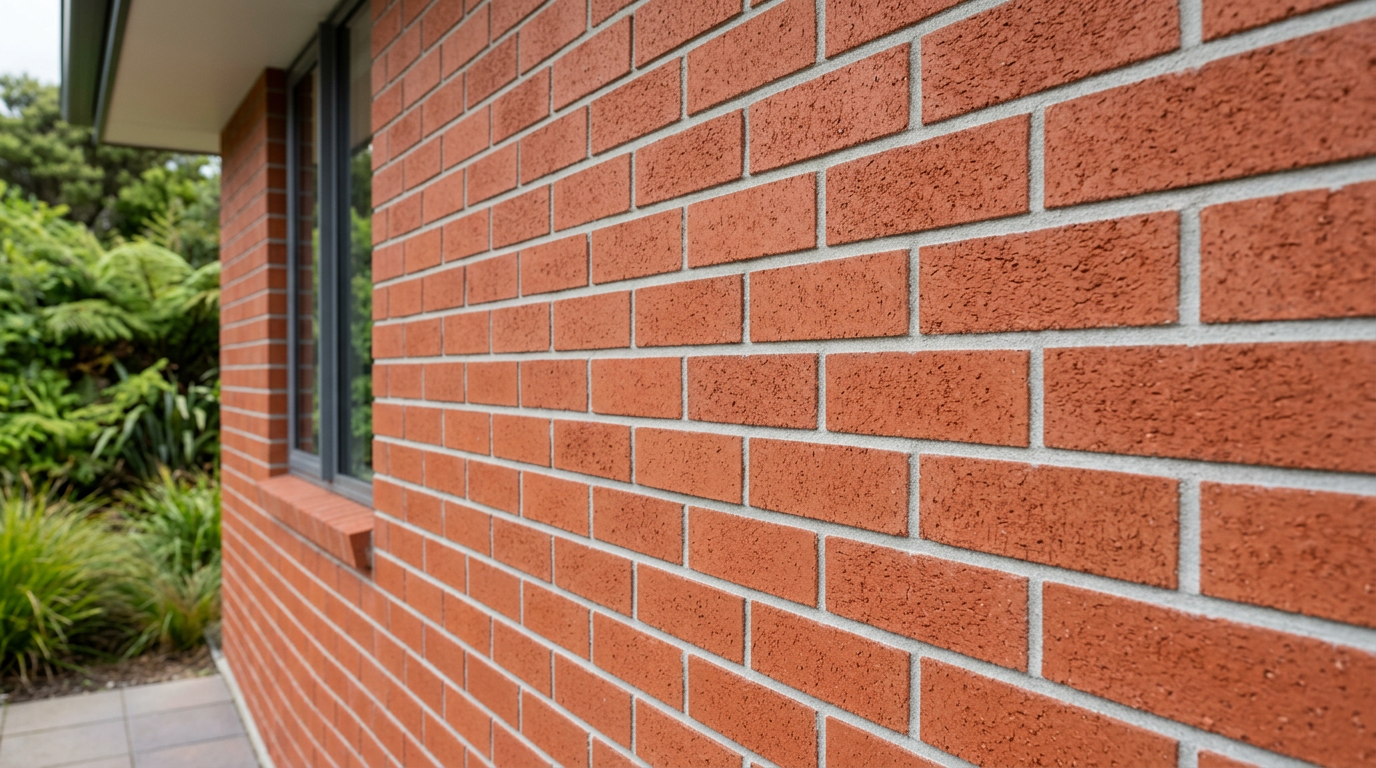
If you have ever watched a wall go up brick by brick and wondered what a bricklayer actually does, the answer is: quite a lot more than just laying bricks. Bricklayers are skilled tradespeople who build and repair masonry structures, from house walls and piers to fences, steps, fireplaces and decorative features. In Australian homes and worksites, they help create the strong, durable surfaces that suit our climate and stand up to everyday wear.
Bricklaying is a trade that blends accuracy, planning and physical skill. A good bricklayer needs an eye for line and level, an understanding of materials, and the ability to work safely and neatly in all sorts of conditions, from hot summer days to wet or windy weather.
What Bricklayers Build
Bricklayers work on a wide range of projects in residential, commercial and civil construction. In Australian homes, they are commonly involved in:
- House walls, extensions and garage walls
- Brick fences, retaining walls and boundary walls
- Letterboxes, garden edging and front steps
- Fireplaces and hearth surrounds
- Repairs to cracked, loose or damaged brickwork
- Repointing mortar joints and replacing broken bricks
They may also work with concrete blocks, pavers, masonry veneer systems and other related materials. Depending on the job, a bricklayer might follow plans from a builder or architect, set out the worksite, and coordinate with other trades so the structure lines up properly with frames, windows, doors and finishes.
What a Bricklayer Does on Site
A bricklayer’s day usually starts before the first brick is laid. They may check drawings, measure the area, prepare materials and confirm the set-out. Accuracy matters because even a small error early on can show up later in the wall, course by course.
Typical tasks include:
- Reading plans and measuring wall locations
- Setting out corners, openings and wall lines
- Mixing mortar to the right consistency
- Cutting bricks or blocks to size
- Laying bricks in correct bond patterns
- Keeping walls plumb, level and square
- Tooling and finishing mortar joints
- Cleaning excess mortar and protecting finished work
Bricklayers often use levels, string lines, trowels, bolsters, spirit levels, jointers and other hand tools. On bigger jobs they may also work with scaffolding, mortar mixers and lifting equipment, always following site safety rules and Safe Work Australia guidance.
Skills That Make a Good Bricklayer
Bricklaying is more than strength and stamina. The best bricklayers combine practical trade knowledge with patience and attention to detail. A wall might look simple once finished, but getting there takes careful judgement and consistent workmanship.
Useful skills include:
- Good hand-eye coordination
- Ability to work accurately with measurements
- Understanding of different brick bonds and mortar mixes
- Problem-solving when site conditions are uneven or awkward
- Physical fitness and comfort with repetitive manual work
- Knowledge of weather impacts on mortar, curing and protection
In Australia, weather can have a big effect on masonry work. Hot, dry conditions can make mortar set too quickly, while heavy rain can wash out joints or affect curing. A skilled bricklayer will plan around these conditions and protect the work as needed.
Bricklayer vs Other Building Trades
It can be easy to mix up bricklayers with other trades because many construction jobs overlap. Here is a simple comparison:
| Trade | Main Role | Typical Work |
|---|---|---|
| Bricklayer | Builds with bricks, blocks and masonry | Walls, piers, fences, repairs, mortar joints |
| Concreter | Pours and finishes concrete | Slabs, driveways, footpaths, footings |
| Stonemason | Works with stone and decorative masonry | Feature walls, restoration, stone cladding |
| Renderer | Applies cement-based finishes | Smooth coatings over brick or block surfaces |
| Carpenter | Constructs timber framing and fix-out | Frames, trusses, decks, doors, fit-off work |
On many jobs, bricklayers work alongside carpenters, concreters, roofers and plasterers such as Gyprock/CSR installers. That coordination helps keep the build moving smoothly and ensures the finished structure meets the National Construction Code and other project requirements.
When You Might Need a Bricklayer
You might call a bricklayer for a new build, a home extension, a damaged retaining wall, or repairs after movement or storm damage. If you have a cracked brick fence, deteriorating mortar, or loose masonry around the house, a bricklayer can inspect the issue and recommend repair options.
Brickwork problems are sometimes cosmetic, but they can also signal movement, moisture issues or poor construction. If the problem involves structural stability, it is worth getting a qualified professional to assess it rather than patching it up yourself.
Some work around a home can be DIY, such as minor garden edging or simple non-structural improvements, but anything structural, load-bearing or tied into the building envelope should be done by a properly qualified tradesperson. For regulated building work, check the relevant state or territory licensing and Fair Trading requirements. Electrical, gas and certain plumbing tasks must always be done by a licensed professional.
What to Look For in a Bricklayer
When choosing a bricklayer, look for someone with relevant experience, solid local references and a clear understanding of Australian building conditions. It is a good sign if they can explain how they will match existing brickwork, manage moisture, and finish joints neatly.
- Ask about experience with similar jobs
- Check they understand the type of masonry you need
- Make sure they are licensed if the work requires it in your state or territory
- Confirm they follow site safety and tidy work practices
- Look for good communication and a clear scope of work
Materials matter too. A reliable bricklayer can advise on suitable bricks, mortar and sealers from Australian suppliers such as Bunnings or Mitre 10, and may suggest finishes that work well with local conditions, including harsh sun, wind and coastal exposure.
If you are comparing trades across the ditch, you can also visit Trade Directory NZ.
If you need brickwork done properly, it pays to hire someone with the right skills and experience. Find a qualified local bricklayer on Aussie Trade Directory through local bricklayers.