
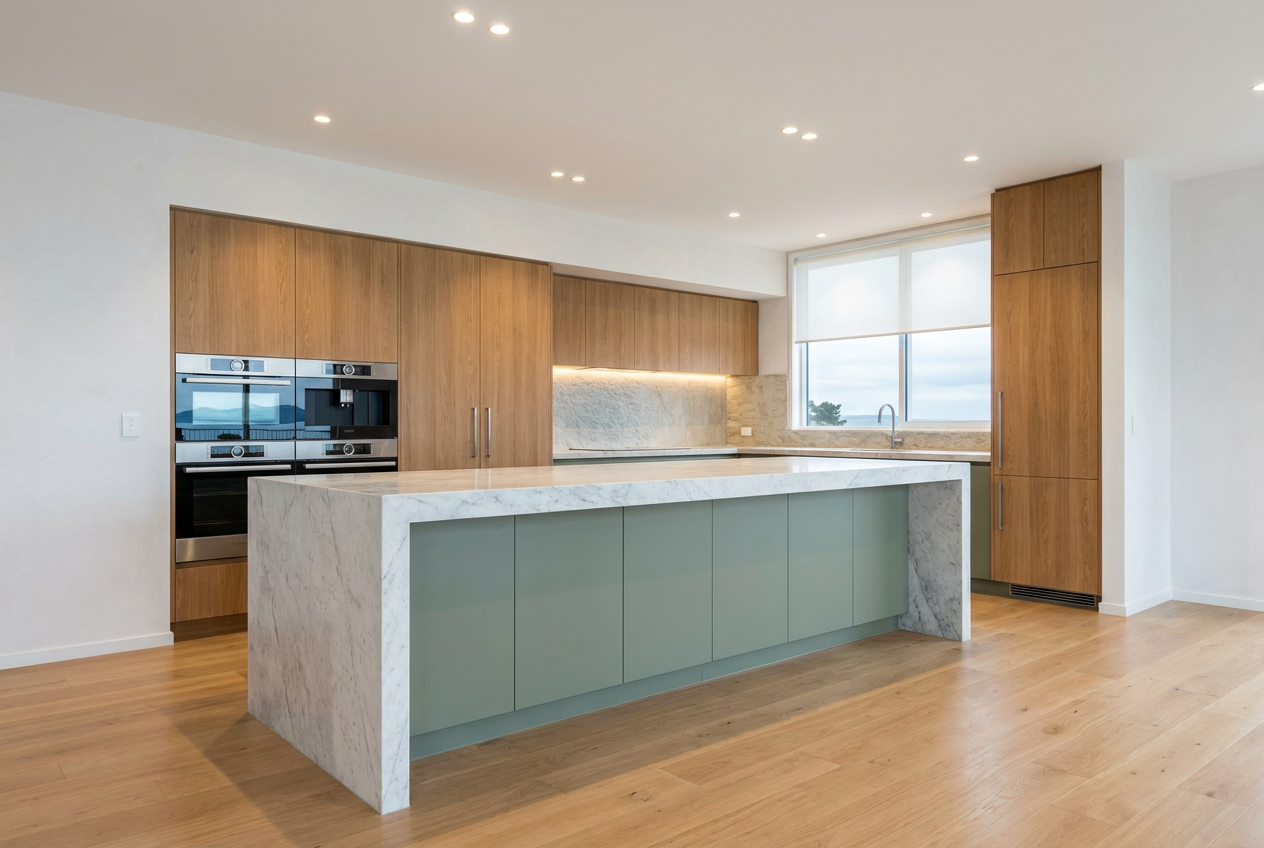
If you have ever admired a tidy kitchen, a clever laundry fit-out or a built-in wardrobe that seems to use every centimetre properly, there is a good chance a cabinet maker was behind it. Cabinet makers design, build and install custom storage and joinery for homes and businesses, turning awkward spaces into practical, good-looking solutions.
In Australia, cabinet makers work on everything from full kitchen renovations to bathroom vanities, office fit-outs, entertainment units, laundry cabinets, wardrobes, bookshelves and shop counters. They can also repair, modify and replace existing cabinetry when a layout no longer suits the home.
What A Cabinet Maker Actually Does
A cabinet maker is a skilled tradesperson who measures a space, plans the joinery, cuts and assembles the parts, then installs the finished cabinetry. Unlike flat-pack furniture, cabinet-making is usually custom work, designed to fit the exact dimensions of the room and the homeowner’s needs.
Typical cabinet-making work can include:
- measuring rooms and checking levels, walls and floor conditions
- designing layouts for kitchens, laundries, bathrooms and storage areas
- selecting board products, finishes, handles and hardware
- cutting, edging, assembling and preparing cabinet components
- installing cupboards, benchtops, shelves, panels and drawers
- fitting doors, hinges, drawer runners and soft-close hardware
- carrying out repairs, replacements and adjustments
Many cabinet makers work closely with builders, interior designers, kitchen designers and homeowners. Some run their own workshop, while others specialise in production work or site installation.
Where Cabinet Makers Add Real Value
The biggest advantage of using a cabinet maker is customisation. Australian homes come in all shapes and ages, from older weatherboard houses with uneven walls to modern builds with open-plan layouts. A cabinet maker can design around those conditions instead of forcing a standard product to fit.
They are especially useful when you need:
- storage that makes the most of tight or unusual spaces
- a finish that matches existing cabinetry or décor
- better durability than low-cost off-the-shelf options
- solutions for sloping floors, bulkheads or awkward corners
- special features such as pull-out pantries, appliance cupboards or study nooks
Cabinet makers also understand materials and finishes that suit Australian conditions. In humid coastal areas, for example, they may recommend products and hardware that handle moisture better. In hotter parts of the country, they can suggest finishes and layouts that are more practical for the local climate and daily wear.
Cabinet Maker Vs Carpenter Vs Joiner
People often mix up cabinet makers, carpenters and joiners. There is overlap, but the roles are not identical. A carpenter usually works on structural and framing tasks, while a joiner focuses on detailed timber work and fitted components. A cabinet maker specialises in designing and building storage, cabinetry and fine joinery.
| Trade | Typical Work | Best For |
|---|---|---|
| Cabinet Maker | Custom cupboards, kitchens, wardrobes, vanities and joinery | Tailored storage and fitted cabinetry |
| Carpenter | Framing, fix-outs, decks, doors and general timber work | Structural and onsite building tasks |
| Joiner | Precision timber work, assemblies and fitted components | Detailed woodwork and finishing elements |
In many Australian projects, one tradesperson may do more than one of these jobs, especially on smaller renovations. The important thing is choosing someone with the right experience for the specific work you need.
What Happens During A Cabinet-Making Job
A typical project starts with a site visit or design discussion. The cabinet maker will assess the space, talk through storage needs and look at style preferences, budget and practical requirements. They may then prepare drawings or a plan so you can confirm the layout before anything is made.
After that, the job usually moves into the workshop. This is where panels are cut, edges are finished, cabinet boxes are assembled and hardware is installed. Depending on the project, a cabinet maker might use moisture-resistant board, laminated surfaces, timber veneer or painted finishes such as Dulux, Taubmans or British Paints products.
The final stage is installation. Good installers take care with wall fixings, alignment, spacing and finishing details so doors open smoothly and drawers run properly. They will also adjust components on site if the room is slightly out of square, which is common in many older Australian homes.
When You Need Other Licensed Trades
Cabinet makers often work around other services, but some tasks must be handled by licensed professionals. Electrical work, gas fitting and certain plumbing tasks are legally restricted in Australia and must be done by the appropriate licensed tradesperson. That includes moving power points, installing hardwired appliances, connecting gas cooktops or altering water and waste lines.
For kitchen and bathroom projects, a cabinet maker may coordinate with a licensed electrician, plumber or gas fitter so the cabinetry, services and appliances all line up correctly. This helps keep the job compliant with the National Construction Code and relevant state or territory requirements.
If your renovation also involves walls, plasterboard or structural changes, you may need other trades as well, such as a builder or plasterer. Materials like Gyprock/CSR, James Hardie fibre cement and Colorbond/BlueScope products may also be involved depending on the renovation scope.
How To Choose The Right Cabinet Maker
When comparing cabinet makers, look beyond the showroom finish. Ask about experience with similar jobs, the types of materials used, workmanship on hardware, lead times and how they handle measurements and installation. It is also worth checking that they are properly registered or licensed where required by your state or territory’s building and consumer affairs rules.
- Ask to see examples of previous work
- Check whether the design includes practical storage solutions
- Confirm what is included in the quote and what is not
- Discuss finishes, hardware and care requirements
- Make sure any electrical, plumbing or gas work is handled by licensed trades
If you are planning a reno, it can help to browse finishes and fittings at retailers like Bunnings or Mitre 10 before speaking with your cabinet maker. That can give you a clearer idea of the style you want, but a custom maker can usually suggest better ways to achieve it within your space.
For Australian homeowners, a cabinet maker is more than someone who builds cupboards. They are a problem-solver who turns plans into practical storage, often making everyday life easier and a home feel more organised.
For more home improvement guidance and trade information, you can also visit Trade Directory NZ.
If you’re ready to improve your kitchen, laundry, wardrobe or storage, find trusted local cabinet makers on Aussie Trade Directory today.