
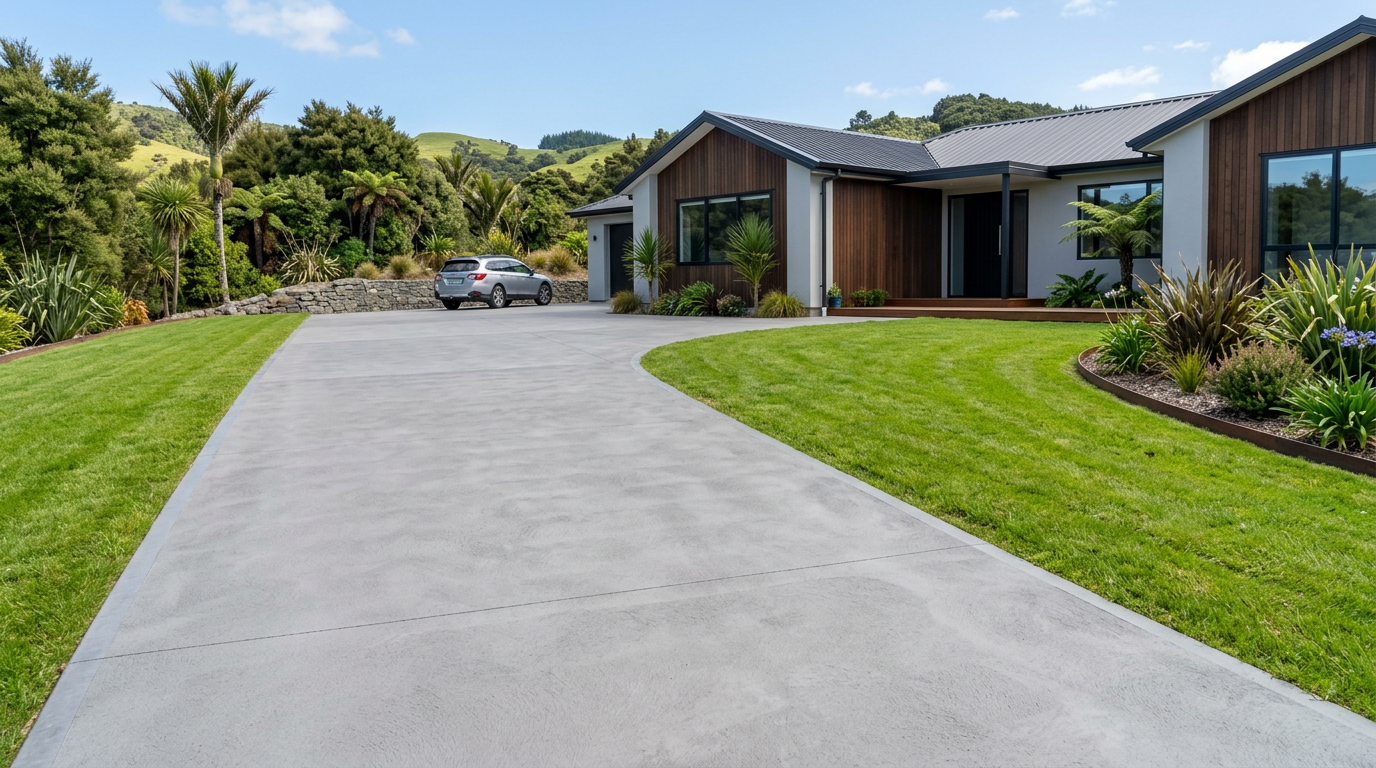
If you’ve ever looked at a new driveway, slab, footpath or patio and wondered how it all comes together, the answer is usually a concreter. A concreter is the tradesperson who prepares, places, finishes and often repairs concrete for homes, businesses and civil projects across Australia.
Concrete looks simple once it’s finished, but getting a durable result takes planning, experience and timing. In Australia’s hot summers, sudden downpours and shifting soils, a good concreter has to understand more than just mixing cement and pouring it in place.
What A Concreter Does Day To Day
A concreter works on the parts of a project that involve concrete placement and finishing. Depending on the job, they may work on new builds, renovations or external landscaping projects. Their tasks often include:
- measuring and setting out the area
- preparing the base and compacting the ground
- building formwork to hold the concrete in shape
- placing reinforcement such as mesh or steel bar where required
- pouring, spreading and levelling the concrete
- finishing the surface with the right texture or pattern
- cutting joints to help control cracking
- sealing or advising on sealing after curing
A concreter may also organise coordination with other trades, especially on bigger jobs where the slab needs to suit a builder, plumber or landscaper. They need to work to the requirements of the National Construction Code and follow Safe Work Australia guidance and state-based workplace safety rules.
Common Jobs A Concreter Handles
- house slabs and shed slabs
- driveways and crossovers
- footpaths and pathways
- patios and alfresco areas
- retaining wall footings
- pool surrounds
- commercial floors and hardstands
- concrete repairs and resurfacing
What Skills Make A Good Concreter?
Good concreting is part trade skill, part timing and part problem-solving. The job can look straightforward from the outside, but small mistakes can cause cracking, uneven surfaces or drainage issues later on.
A quality concreter usually has:
- strong practical skills with tools and equipment
- an eye for levels, falls and finish quality
- knowledge of different concrete mixes and set times
- understanding of site drainage and water runoff
- the ability to work safely around machinery and wet concrete
- experience working in different weather conditions
In many parts of Australia, sun, wind and heat can make concrete dry too fast, while heavy rain can ruin a fresh pour. A skilled concreter plans around the weather and chooses the right finish for the site, whether that’s a broom finish for grip or a smoother look for a patio.
How A Concreter Is Different From Other Trades
People often mix up concreters, bricklayers, tilers and pavers. While there can be some overlap, the roles are different.
| Trade | What They Usually Do |
|---|---|
| Concreter | Prepares, places and finishes concrete surfaces and slabs |
| Bricklayer | Lays bricks and blocks for walls, piers and structures |
| Tiler | Installs tiles on floors, walls and wet areas |
| Paver | Installs paving units such as bricks, stone or concrete pavers |
On a renovation, a concreter may work alongside a builder, electrician, plumber, landscaper or painter. Some tasks are restricted by law and must be done by a licensed professional. For example, electrical work and many plumbing or gas-fitting jobs cannot be completed by an unlicensed person.
Do You Need A Concreter Or A General Handy Person?
If you’re pouring a small garden edge or repairing a hairline crack, you might think a handy person can handle it. But for structural slabs, driveways, footings and anything that needs correct levels or load-bearing strength, it’s wise to use a qualified concreter.
A professional concreter can help you avoid common problems such as:
- poor drainage that sends water towards the house
- surface cracks caused by rushed finishing
- slabs that aren’t level enough for sheds or garages
- weak edges or failed joins
- finish issues that become slippery or uneven
For homeowners, it’s also worth checking whether the concreter has the right licence or registration for your state or territory, and whether they carry appropriate insurance. State Fair Trading or consumer affairs bodies can help you understand the rules in your area.
When To Call A Concreter
Call a concreter when you need a durable, properly finished surface that will cope with Australian conditions. That includes new home slabs, driveways, paths, pool areas, shed bases and repairs to damaged concrete.
If you’re planning a bigger outdoor project, it can also help to speak with the concreter early. They can advise on site preparation, drainage, thickness, reinforcement and the finish that best suits your home and climate. Products from Australian suppliers such as Bunnings and Mitre 10 can be useful for maintenance items, but the actual pour and structural work should be done properly from the start.
Concrete can also be finished to suit surrounding materials like Colorbond fencing, BlueScope steel, James Hardie cladding or Gyprock interior areas, helping the whole project look cohesive.
If you’d like to compare options, Building or renovating across the Tasman? Our sister site Trade Directory NZ covers the same topics for New Zealand homeowners.