
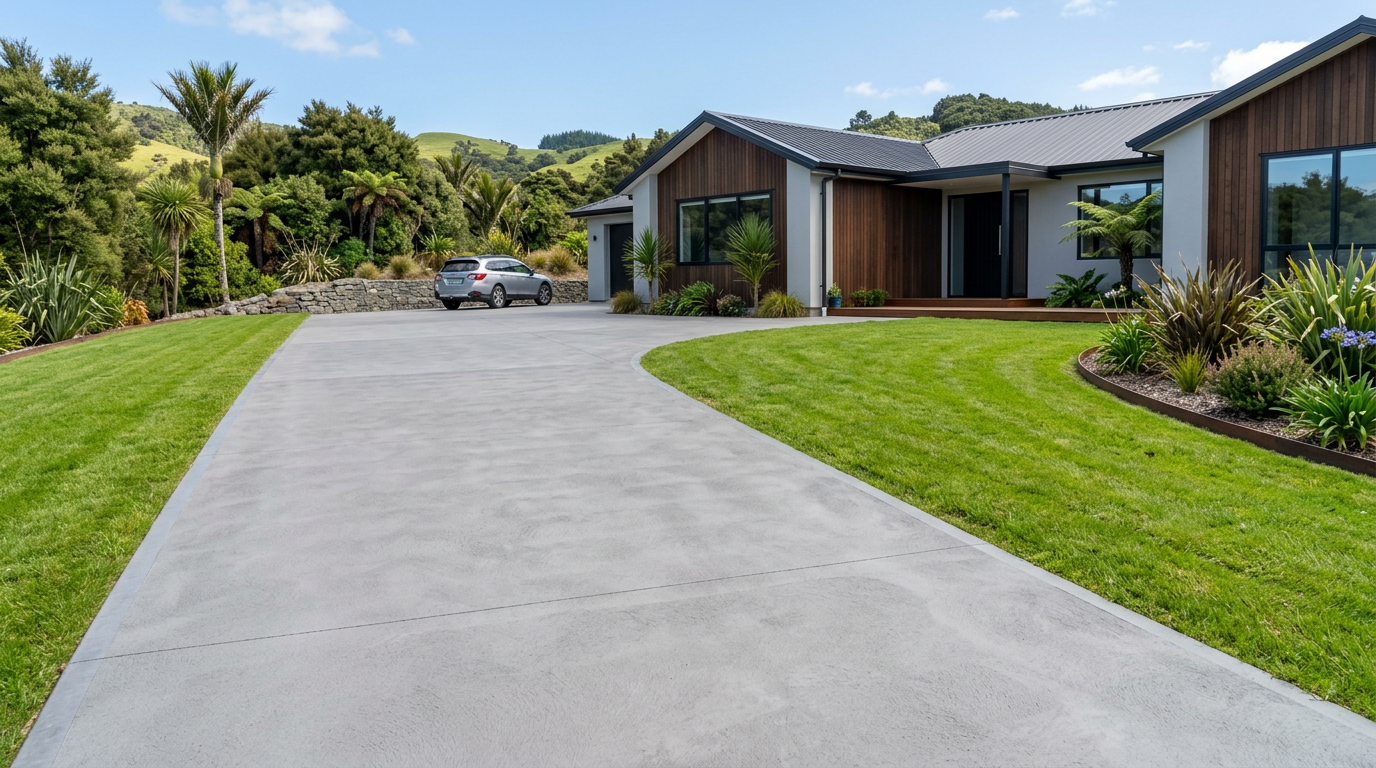
If you’re planning a new driveway, it can be hard to tell what a driveway layer actually does and why the job is more than just pouring concrete or spreading gravel. In Australia, a quality driveway needs to cope with heat, heavy rain, UV exposure, expanding soils, and regular vehicle traffic. A good driveway layer understands how to build a surface that looks neat, drains properly, and lasts.
Driveway layers work across a range of surfaces, including plain concrete, exposed aggregate, coloured concrete, gravel, pavers, and sometimes asphalt. Their job is to prepare the site, install the base, shape the finished surface, and make sure the driveway is built to suit the property and the expected use.
What A Driveway Layer Does On The Job
A driveway layer is responsible for more than the visible finish. They manage the whole process from the ground up, including excavation, base preparation, formwork, reinforcement where required, and the final surface treatment.
Typical tasks include:
- Measuring and setting out the driveway area
- Excavating soft spots, topsoil, and old materials
- Building and compacting the sub-base
- Installing formwork and edge restraints
- Placing steel reinforcement or mesh when needed
- Pouring, screeding, compacting, and finishing concrete
- Creating falls so water drains away from the house and garage
- Sealing or curing the finished surface
For gravel and some paved driveways, the process is a little different, but the same principles apply: prepare the base properly, provide drainage, and create a durable finish that won’t shift or rut too easily.
Why Proper Base Preparation Matters
The best-looking driveway can still fail if the base is poorly prepared. In Australian conditions, ground movement, clay soils, and heavy rainfall can all cause cracking, sinking, or pooling if the base is not done correctly. A driveway layer will assess the site and choose an approach that suits the soil and slope.
This is where experience really shows. A reliable driveway layer knows how much excavation is needed, how to compact the base properly, and how to avoid soft patches that may lead to future movement. They also understand the National Construction Code requirements that can affect drainage and surface performance, especially where the driveway meets garages, paths, or other structures.
If the site needs stormwater management, the driveway layer may work alongside a plumber or drainage contractor where relevant. Any regulated plumbing work must be carried out by a licensed professional in your state or territory.
Common Driveway Types And What The Layer Does
Different driveway materials need different skills. Here’s a simple comparison of what a driveway layer does for each common type.
| Driveway Type | What The Layer Does | What Homeowners Should Know |
|---|---|---|
| Concrete | Excavates, forms, reinforces, pours, levels, and finishes the slab | Strong, low-maintenance, and popular for Australian homes |
| Exposed aggregate | Places concrete and exposes the decorative stones after finishing | Needs careful timing and skilled finishing |
| Gravel | Prepares the base, installs edging if needed, and spreads and compacts the gravel | Usually more affordable, but may need topping up over time |
| Pavers | Sets the base, levels bedding sand, lays pavers, cuts edges, and compacts the surface | Good for a neat finish and easier future repairs |
| Asphalt | Prepares the sub-base and places the asphalt while temperatures and timing are controlled | Often used in larger driveways and shared access areas |
Materials and methods vary depending on the look you want and how much traffic the driveway will handle. A family home with two cars has different needs to a steep driveway with a trailer, caravan, or work vehicle.
Signs You’ve Hired A Good Driveway Layer
A skilled driveway layer will ask questions before starting, not just quote on sight. They should want to know how the driveway is used, whether drainage is a concern, and what finish you want. They should also be able to explain how they’ll handle the base, the edges, and the fall.
Look for someone who:
- Explains the process clearly and answers questions directly
- Understands local soil and drainage issues
- Uses proper compaction and preparation methods
- Works neatly and protects nearby paths, gardens, and existing structures
- Follows Safe Work Australia guidance and site safety practices
- Holds any licence required for the work in your state or territory
It’s also a good sign if they discuss curing, sealing, maintenance, and how long you should wait before driving on the new surface. For concrete finishes, products from Australian suppliers such as Dulux, Taubmans, or British Paints may be relevant for adjoining surfaces, but the driveway itself still needs the right construction method first.
When To Call A Professional
While some homeowners can handle simple gravel maintenance or minor surface care, installing a new driveway is usually best left to an experienced concreter or driveway layer. The job involves levels, compaction, drainage, and in some cases reinforcement or coordination with other trades. If the driveway connects to a garage slab, retaining edge, stormwater system, or a paved threshold, professional workmanship matters even more.
Regulated trade work such as electrical, gas, and certain plumbing tasks must always be done by licensed professionals. For driveway projects, it’s smart to check licensing and insurance through your relevant state or territory Fair Trading or consumer affairs body before work begins.
If you’re comparing finishes, visiting retailers like Bunnings or Mitre 10 can help you understand sealers, edge products, and maintenance options, but the installation itself should be handled by someone who knows how to build for Australian conditions.
For readers comparing guides across regions, you can also check Trade Directory NZ.
If you’re ready to improve your kerb appeal and want the job done properly, find a qualified local concreter on Aussie Trade Directory.