
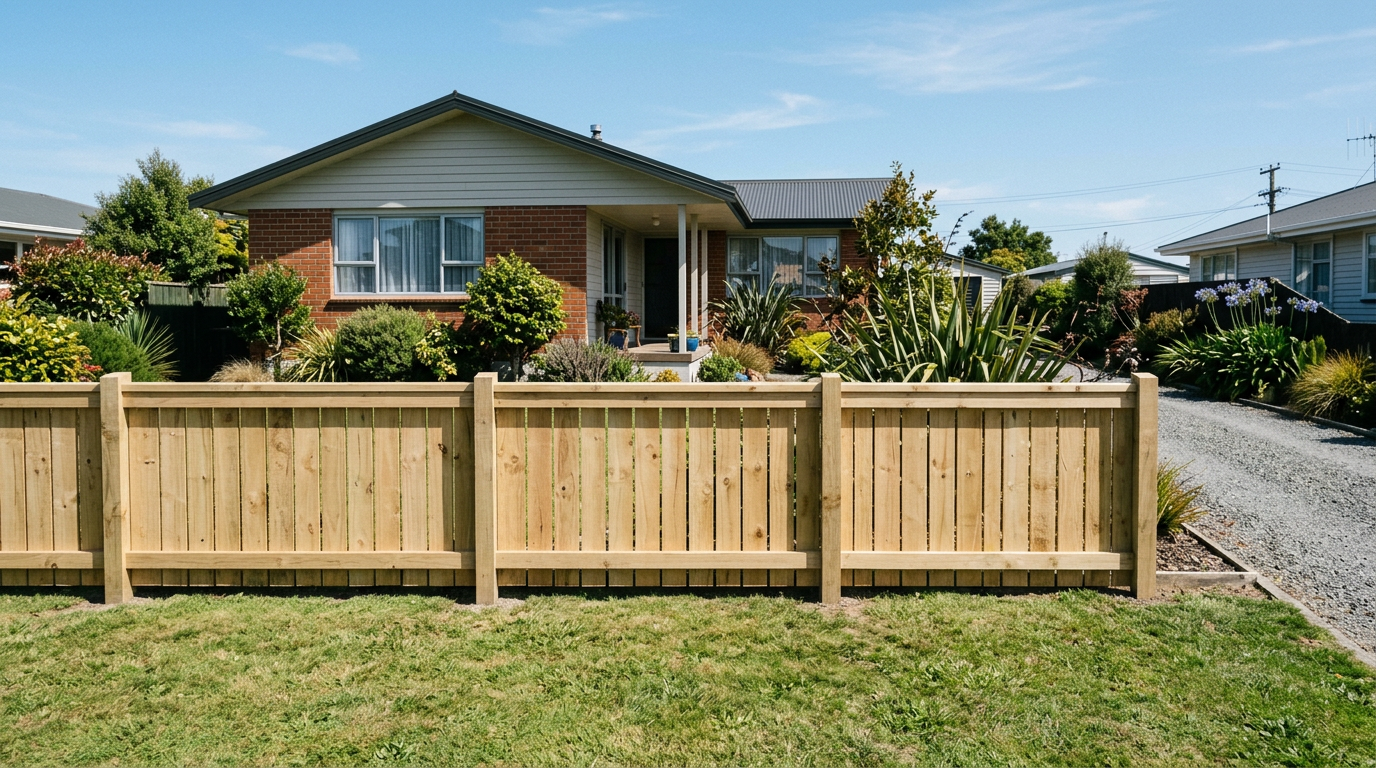
If you have ever looked at a new boundary fence, a pool fence or a tidy rural split-rail line and wondered who put it there, the answer is usually a fencer. A fencer is the tradesperson who plans, installs, repairs and maintains fences, gates and related barriers around homes, businesses, farms and public spaces.
In Australia, fencing work needs to suit local conditions as much as local rules. From coastal wind and salt exposure to scorching summer sun and heavy rain, a good fence has to stand up to the climate, the site and the purpose it serves. A skilled fencer understands all of that and builds accordingly.
What A Fencer Does Day To Day
A fencer’s work is more varied than many people realise. Depending on the job, they may be called on to:
- measure and mark out fence lines and gate positions
- check levels, slopes and boundaries
- set posts in concrete or in ground suitable for the site
- install fence rails, panels, palings, mesh or Colorbond-style sheet fencing
- hang and adjust gates, latches and hardware
- repair storm-damaged or leaning fences
- replace rotten timber, rusted fixings or bent posts
- work around existing landscaping, driveways, retaining walls and services
Many fencers also remove old fencing and dispose of waste material safely. On larger rural or commercial jobs, they may install long runs of security fencing, stock fencing or crowd-control barriers. In residential work, they often help homeowners choose a fence style that suits privacy, security, street appeal and maintenance needs.
Common Types Of Fencing Work In Australia
Different sites need different fencing solutions. A fencer might specialise in one area, or handle a mix of jobs across the week. Here is a simple comparison of common fencing work:
| Type Of Work | Typical Purpose | Common Materials |
|---|---|---|
| Boundary fencing | Marks property lines and improves privacy | Timber, Colorbond, metal posts, concrete footings |
| Pool fencing | Helps meet safety requirements around pools and spas | Glass, aluminium, steel |
| Rural fencing | Contains livestock and defines paddocks | Wire, steel posts, timber strainers |
| Security fencing | Discourages trespass and protects assets | Steel, mesh, anti-climb systems |
| Decorative fencing | Improves street appeal and front-yard presentation | Timber, aluminium, rendered or slatted finishes |
For many homeowners, the most familiar options are timber paling fences and Colorbond fencing. Timber can suit traditional homes and is easy to paint or stain with products from Dulux, Taubmans or British Paints, while Colorbond fencing is popular for a low-maintenance finish that handles Australian conditions well when installed properly.
Skills And Knowledge A Good Fencer Needs
Fencing might look straightforward, but quality work depends on solid trade skills. A good fencer needs to understand measuring, setting out, post alignment, fixing methods, hardware selection and how different materials behave outdoors.
They also need to know how to work safely around power tools, dig safely where underground services may be present, and manage heavy materials and awkward loads. Safe Work Australia guidance is relevant on most sites, especially where lifting, cutting, drilling or operating machinery is involved.
Depending on the project, a fencer may also need to coordinate with builders, landscapers, pool installers or property owners. Good communication matters, particularly when the fence line, gate swing or height needs to be agreed before work begins.
When You Should Call A Fencer
You do not need a fencer only when a fence has fallen over. It is worth calling one when you are:
- building a new home and need boundary fencing
- upgrading an old fence that is leaning, rotting or rusted
- adding a side gate, pedestrian gate or driveway gate
- needing a safer enclosure around a pool or spa
- protecting pets, children or livestock
- improving privacy or reducing noise from a busy street
- responding to storm, wind or termite damage
A fencer can help you work out whether a repair is enough or whether replacement makes more sense. They can also advise on suitable materials for coastal areas, bushfire-prone locations or high-wind sites, where the National Construction Code and other local requirements may affect the design and installation.
Licensing, Compliance And Safety
In Australia, fencing work is regulated differently across states and territories, and some jobs may require a licensed contractor, builder registration or specific approvals depending on the scope. Always check with your state-based Fair Trading or licensing body before engaging someone for major work.
Pool fencing, in particular, must comply with Australian safety requirements, and fencing near retaining walls, structures or services may also need careful planning. A reputable fencer should understand these obligations and be willing to explain how the job will meet relevant rules.
Fencing itself is generally not the same as electrical, gas or regulated plumbing work, but if your project involves moving services, installing powered gates, or connecting electrical components, those parts must be completed by a licensed professional. Never assume one trade licence covers another.
How To Choose The Right Fencer
When looking for a fencer, ask about their experience with the type of fence you want, whether they handle supply and installation, and how they deal with site challenges such as sloping blocks, clay soils or existing structures. Photos of past work can help show workmanship and finish quality.
You should also ask whether they are insured, whether they follow relevant Australian standards and whether they will provide a clear scope of work. For DIY-minded homeowners, a fencer can sometimes also supply materials and labour guidance if you are doing part of the job yourself.
For a broader home project, it can help to compare fencing with other exterior upgrades, such as painting, landscaping or retaining wall work, so the finished result looks cohesive and functions properly.
If you are comparing trade information across the ditch, you can also visit Trade Directory NZ.
If you need a fence built, repaired or replaced, find qualified local fencers on Aussie Trade Directory and connect with local fencers near you.