
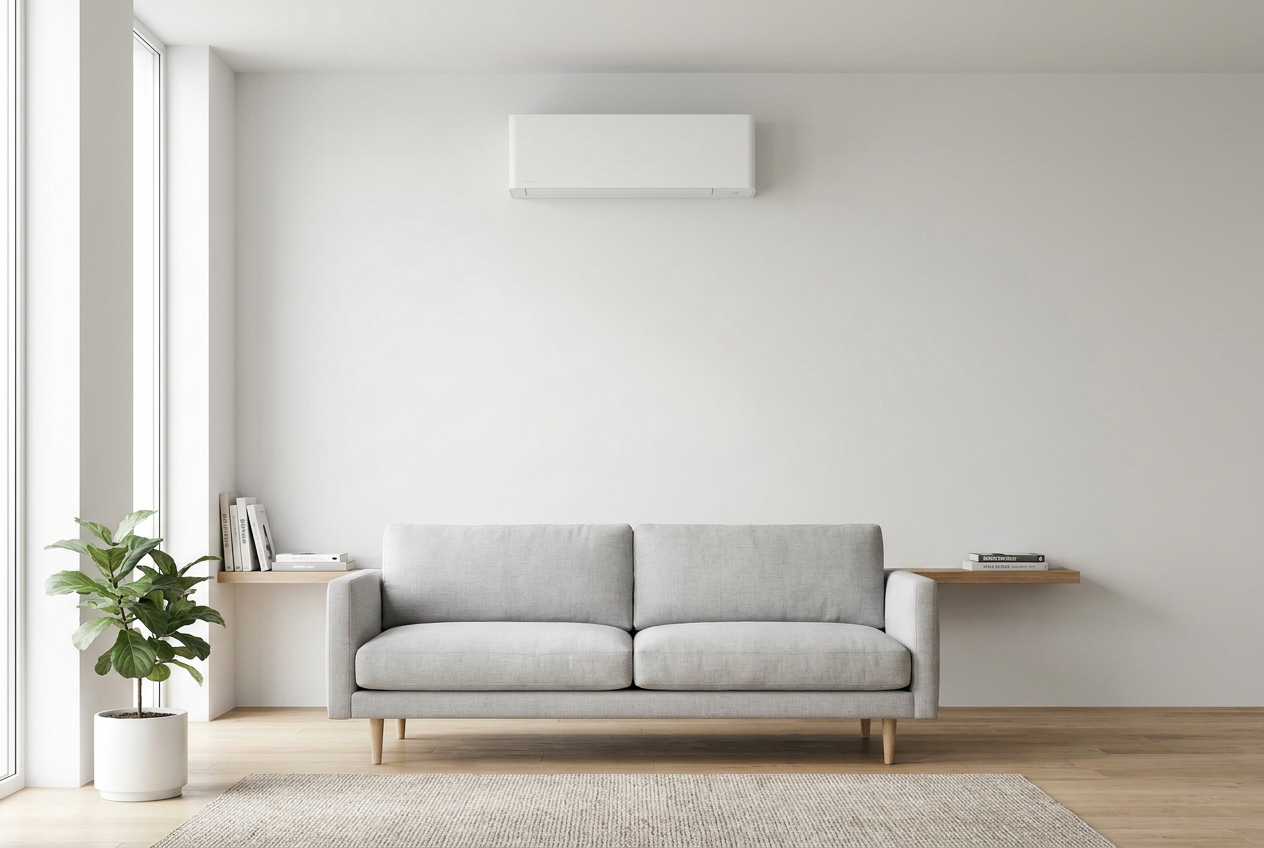
If you’re thinking about adding a heat pump to your home, you might be wondering what the installer actually does beyond “putting it on the wall”. In reality, a good heat pump installer does a lot more than the final fit-off. They assess your home, help choose the right unit, install the indoor and outdoor components, and make sure the system runs safely and efficiently in Australian conditions.
Whether you live in a hot, humid coastal area, a dry inland town or a cooler southern region, the right installation makes a huge difference to comfort, running performance and long-term reliability. A heat pump that’s poorly placed or incorrectly sized can be noisy, inefficient and frustrating to use.
What a heat pump installer handles
A heat pump installer’s job usually starts well before any tools come out. They’ll look at your room size, ceiling height, insulation, window exposure and how you use the space. This helps them work out whether the system is suitable and where the indoor head unit and outdoor unit should go.
Typical tasks include:
- Inspecting the home and checking the best mounting locations
- Confirming the system size and type for the space
- Running pipework, wiring and drainage between the units
- Mounting the indoor and outdoor components securely
- Testing the system for correct operation and airflow
- Explaining how to use the controls and basic maintenance
For split systems and reverse-cycle units, the installer often works alongside a licensed electrician. Any electrical connection must be completed by a licensed professional under Australian requirements. If refrigerant lines are involved, the technician should also hold the appropriate refrigeration and air conditioning licence or registration, depending on the state or territory.
How they decide where everything goes
One of the most important parts of the job is location. The indoor unit needs to deliver air effectively without blowing straight onto a bed, lounge chair or dining table. The outdoor unit needs good airflow, safe access for servicing and enough clearance from walls, fences and other obstructions.
An experienced installer will also think about practical issues such as:
- Noise for you and your neighbours
- Condensation drainage
- Exposure to sun, wind and rain
- Whether the unit can be serviced easily later
- How to keep pipe runs neat and as short as practical
In Australia’s hotter areas, shading and airflow can matter a lot. In bushfire-prone regions, installers also need to consider placement in line with the National Construction Code and any relevant building requirements. A careful installer won’t just make it “fit”; they’ll look for a setup that performs properly over time.
Installation day: what happens on the job
On the day, a heat pump installer will usually bring the indoor and outdoor units, brackets, pipework, insulation, fixings, drainage materials and the tools needed to complete the work. If your job involves a wall-mounted split system, they may drill a service hole, install the wall bracket, mount the indoor unit and set up the outdoor condenser on a slab, wall bracket or other suitable base.
They’ll then connect the refrigerant piping, insulate the lines, install the condensate drain and complete any required electrical work through the correct licensed tradesperson. Once the system is in place, it’s tested for leaks, airflow, temperature control and proper operation in both heating and cooling modes where relevant.
Good installers also tidy up after themselves. That means managing dust, protecting finished surfaces and leaving the work area clean and safe. If you’re renovating, they may need to coordinate with plasterboard, framing or cladding materials such as Gyprock/CSR, James Hardie or Colorbond/BlueScope surfaces so the installation doesn’t compromise the building envelope.
Heat pump installer vs electrician vs plumber
People often assume one person does everything, but heat pump installation can involve multiple trades. Here’s a simple way to think about it:
| Trade | What they usually do | Licensing note |
|---|---|---|
| Heat pump installer / air conditioning technician | Mounts units, runs refrigerant pipework, sets up drainage, commissions the system | Must be appropriately licensed/qualified for refrigerant work |
| Electrician | Connects electrical circuits, isolators and controls | Electrical work must be done by a licensed electrician |
| Plumber | May be needed for drainage or related plumbing work in some setups | Plumbing work must be done by a licensed plumber where required |
Depending on the system and your home, one contractor may coordinate the job, but the legal work still needs to be completed by the right licensed professional. That protects your warranty, your safety and your home insurance position.
What a good installer should tell you
A quality heat pump installer won’t just hand over the remote and head off. They should explain how to use the unit efficiently, including temperature settings, fan modes and timer functions. They may also recommend routine care such as cleaning filters, keeping the outdoor unit clear of leaves and checking that the drainage outlet stays open.
They should also be upfront about any issues they find, such as limited space for the outdoor unit, poor insulation, or an electrical supply that needs upgrading before installation can go ahead. In Australia, you’re better off knowing the limits of your home early than discovering problems after the job starts.
If you’re comparing installers, look for someone who understands the National Construction Code, relevant state or territory licensing and the practical realities of Australian homes, from brick veneers to weatherboard, apartments and lightweight cladding systems.
If you want to compare advice across the Tasman, you can also check Trade Directory NZ.
If you’re ready to improve your comfort at home, find experienced local air conditioning technicians on Aussie Trade Directory and choose a qualified professional who can handle the job properly.