
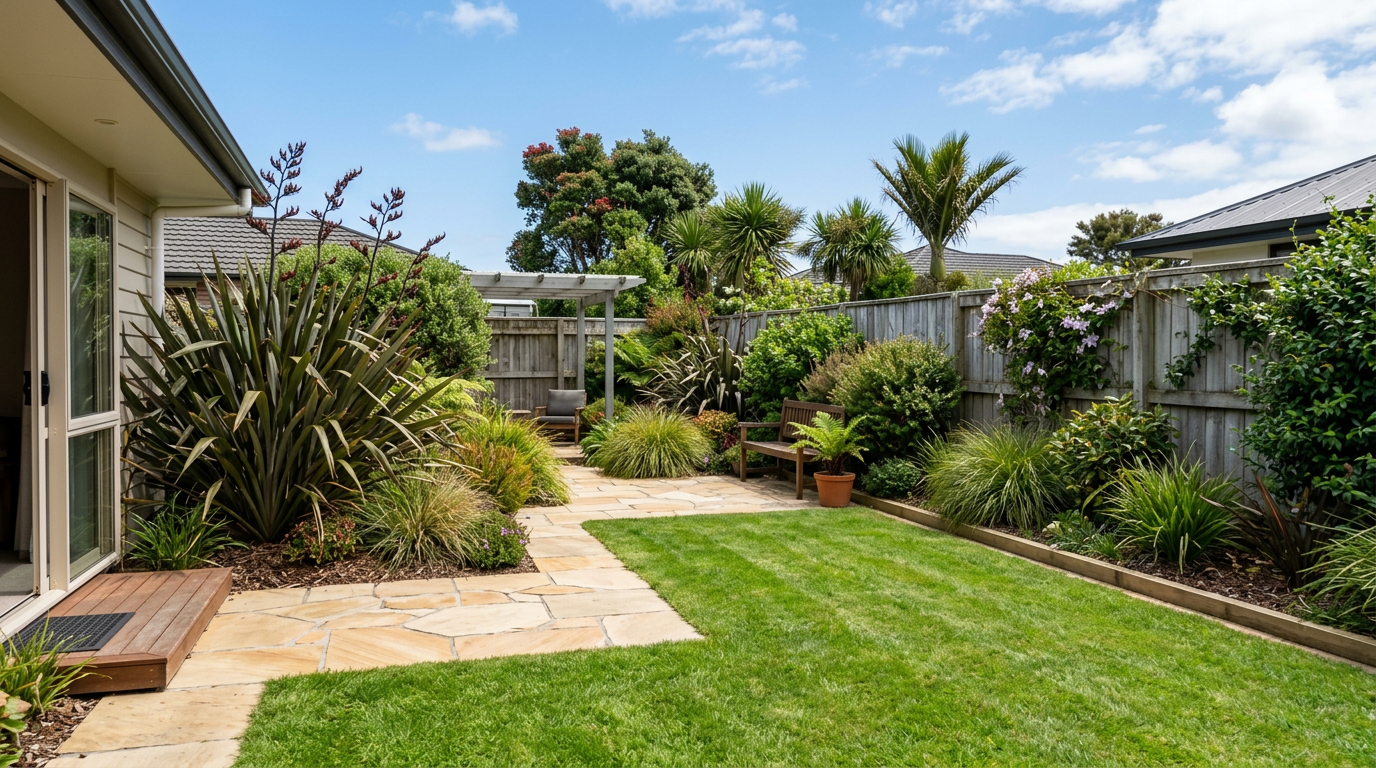
If you’ve ever looked at a bare backyard and wondered how it becomes a usable, attractive outdoor space, a landscaper is usually the person who makes that happen. In simple terms, landscapers plan, build and maintain outdoor areas so they work well for the way Australians live, from front gardens and courtyards to family backyards and larger residential properties.
But “landscaper” is a broad term. Some focus on design and soft landscaping, while others handle paving, retaining walls, drainage, turf, garden beds and ongoing maintenance. Many projects involve a mix of all of these, which is why a good landscaper often acts as both a practical builder and a garden specialist.
What A Landscaper Usually Does
A landscaper’s job can start with a site visit and a discussion about how you want to use the space. Do you want a low-maintenance yard, a play area for kids, better privacy, or a place to entertain? They’ll look at the slope, drainage, soil, sun exposure and access, then recommend a plan that suits the block and the local climate.
Typical landscaping work may include:
- Designing layouts for gardens, paths and outdoor living areas
- Preparing the site by clearing, levelling and improving soil
- Installing turf, garden beds, mulch and plants
- Laying pavers, stepping stones and edging
- Building retaining walls, garden walls and raised beds
- Setting up irrigation or garden watering systems
- Installing screens, decorative features and outdoor structures
- Ongoing garden maintenance such as pruning, fertilising and weed control
In Australian conditions, a landscaper also needs to think about heat, water restrictions, heavy rain and bushfire-prone areas. That means choosing plants that suit your region, using materials that can handle the weather, and planning drainage so water does not pool near your home.
Soft Landscaping Vs Hard Landscaping
Landscaping is often divided into “soft” and “hard” elements. Understanding the difference helps you know what kind of work a landscaper may do on your property.
| Type | What It Includes | Common Use |
|---|---|---|
| Soft landscaping | Plants, lawns, soil, mulch, garden beds, hedging and tree planting | Bringing colour, shade, privacy and seasonal interest |
| Hard landscaping | Paving, retaining walls, decks, edging, steps, drainage and structural features | Creating layout, access, usable outdoor zones and stability |
Soft landscaping is often about how the garden looks and grows over time. Hard landscaping is about structure and function. A strong outdoor design usually combines both, so the space is practical as well as attractive.
When You Might Need A Landscaper
You might call a landscaper when you’re starting from scratch, renovating a tired yard, fixing drainage problems or making an outdoor area easier to maintain. They’re also useful when you want a more polished finish than a basic DIY job can provide, especially if the project involves levels, heavy materials or careful planning around existing structures.
Common reasons Australians hire a landscaper include:
- Turning a new-build backyard into a liveable space
- Replacing patchy lawn with something more suited to the site
- Improving kerb appeal at the front of the home
- Managing a sloping block with retaining walls and steps
- Creating privacy from neighbours with planting and screens
- Reducing maintenance with hardy plants and smart layout choices
In many cases, a landscaper can also coordinate other trades. For example, an irrigation install may need a licensed plumber if it connects to mains water in a way that falls under plumbing rules, and any electrical work for garden lighting must be done by a licensed electrician. Safe Work Australia guidance also applies to safe handling of equipment, chemicals and manual lifting on site.
What A Landscaper May Not Do
Not every outdoor job is a landscaping job. Some tasks fall under other licensed trades or may require compliance with the National Construction Code and state-based rules from Fair Trading or licensing bodies.
- Electrical work for lights, pumps or heated outdoor features must be done by a licensed electrician
- Gas fitting must be done by a licensed gasfitter
- Certain plumbing work, including drainage and water connections, must be done by a licensed plumber
- Structural work may require a builder, engineer or other licensed professional depending on the scope
A reputable landscaper should be able to tell you when another trade is needed and help organise the right sequence of work. That’s especially important when a project includes retaining walls, drainage, decks, pergolas or other features that need to comply with building rules.
How To Choose The Right Landscaper
Not all landscapers do the same kind of work, so it pays to ask what they specialise in. Some are better at garden makeovers and planting, while others focus on paving, retaining walls or complete outdoor renovations. Look for someone who understands local conditions, uses quality materials and can explain why they’re recommending certain plants, finishes or drainage solutions.
Before you hire, ask about:
- Relevant experience with projects like yours
- Licensing or registration requirements for the work involved
- Whether they use in-house staff or subcontractors
- How they handle drainage, access and soil preparation
- What maintenance the new garden will need
If you’re comparing quotes, make sure you’re comparing like with like. One landscaper may include proper site prep, drainage and premium materials such as Colorbond by BlueScope, while another may leave those out. A cheaper quote is not always better if it does not account for the full job.
For materials and finishes, Australian homeowners often use products from Bunnings or Mitre 10, and paint systems from Dulux, Taubmans or British Paints when outdoor features need finishing. For walls or cladding elements in a landscaping project, products from CSR Gyprock or James Hardie may be relevant depending on the application and compliance requirements.
A good landscaper should leave you with an outdoor space that suits your home, your climate and your lifestyle, rather than just something that looks good on day one.
If you’re researching outdoor projects beyond Australia, you may also find useful information at Trade Directory NZ.
Ready to improve your outdoor space? Find qualified local landscapers on Aussie Trade Directory and get your project started with the right help.