
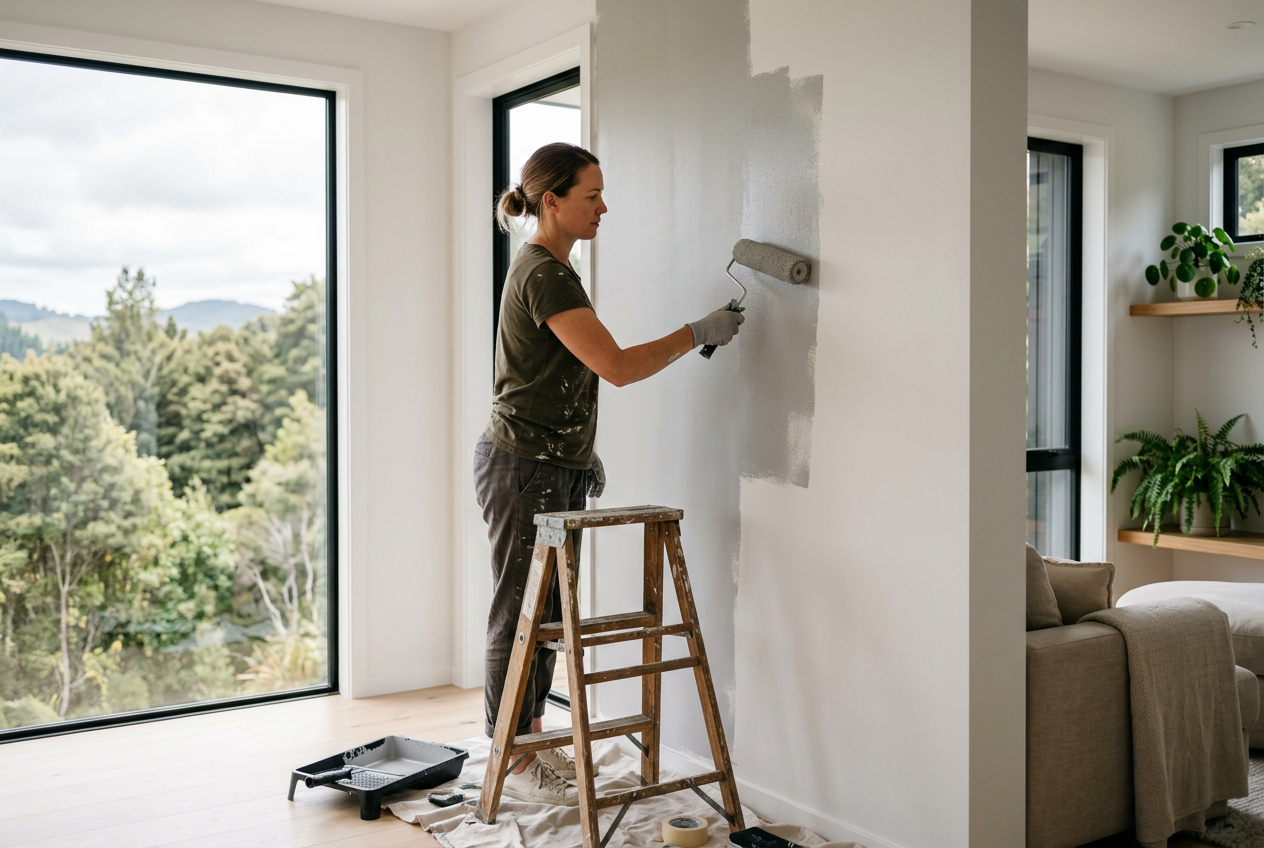
When most people think of a painter, they picture someone rolling colour onto a wall. In reality, a professional painter does much more than apply paint. A good painter prepares surfaces, repairs minor defects, chooses the right coatings for the job, protects surrounding areas, and makes sure the finish stands up to Australian conditions.
Whether it’s a fresh interior colour scheme, an exterior repaint, or a touch-up after renovations, painters help improve how a home looks and how well it is protected. In Australia’s varied climate, from humid coastal areas to dry inland regions, the right prep and product choice can make a big difference to how long the work lasts.
What A Painter Usually Does On The Job
A painter’s role starts well before the first coat goes on. Most jobs begin with a site check, where the painter looks at the surfaces, discusses colour choices, and confirms what needs to be repaired or protected. They may identify cracking, peeling, mould, stains, rust, water damage, or poor previous paintwork.
Typical tasks include:
- Cleaning and preparing walls, ceilings, trim, fences, or exterior surfaces
- Scraping, sanding, patching, and filling minor imperfections
- Caulking gaps around trims and joints where needed
- Priming bare or repaired areas
- Applying paint, stain, sealer, or protective coatings
- Cutting in edges neatly and maintaining an even finish
- Cleaning up, removing masking, and checking the final result
On many residential jobs, painters also work around other trades and building materials such as Gyprock/CSR plasterboard, James Hardie fibre cement, timber trim, and Colorbond/BlueScope steel. Matching the coating system to the surface is part of doing the job properly.
Preparation Is A Big Part Of The Work
Good painting is mostly about preparation. A painter may spend more time getting the surface ready than actually painting it. That is because paint will only look as good as the base underneath.
Preparation can include washing down exterior walls, treating mould, sanding glossy surfaces, repairing minor dents, and smoothing patching compounds. On older homes, this can also mean dealing with flaky paint, weathered timber, or stains that need sealing before topcoats are applied. In humid or coastal parts of Australia, moisture issues and salt exposure can affect adhesion and durability, so prep is especially important.
For interiors, a painter also protects floors, furniture, kitchen joinery, windows, and fixtures. That may involve drop sheets, masking tape, plastic sheeting, and careful movement around finished areas. The aim is a clean result with as little disruption as possible.
What Painters Know That Homeowners Often Don’t
A skilled painter brings product knowledge as well as application skills. They understand which primers, sealers, undercoats, and topcoats suit different surfaces and conditions. They also know how to choose finishes for different rooms, such as washable coatings for busy family areas or more durable exterior systems for weather exposure.
Paint brands commonly used in Australia include Dulux, Taubmans, and British Paints, with products stocked through retailers such as Bunnings and Mitre 10. A painter can help select the right sheen, colour, and coating type for the job rather than simply picking a colour off the shelf.
They also understand how Australian climate affects painting. Strong sun can fade coatings, wet weather can delay exterior work, and cold or damp conditions can slow drying times. A professional painter plans the sequence of work around those conditions so the finish cures properly.
Painter Services Compared
| Type Of Work | What It Involves | Who It Suits |
|---|---|---|
| Interior Painting | Walls, ceilings, doors, skirtings, trim, and feature walls | Homeowners updating rooms, moving in, or refreshing tired spaces |
| Exterior Painting | Weatherboards, render, eaves, fences, decks, and trims | Homes needing protection from sun, rain, and general weathering |
| Decorative Finishes | Special textures, feature effects, or detailed trim work | Projects wanting a tailored look or higher-end finish |
| Maintenance Painting | Touch-ups, patching, stain blocking, and small repairs | Owners keeping a property in good condition between larger repaints |
Safety, Licensing, And What A Painter Should Not Do
In Australia, painters must work safely and follow requirements from Safe Work Australia and state-based workplace and building authorities. That includes correct ladder use, dust control, ventilation, PPE, and safe handling of chemicals and solvents. On some jobs, they may also need to follow the National Construction Code and site-specific requirements.
Painting itself is generally not the same as licensed electrical, gas, or plumbing work. A painter can remove or paint around fixtures, but any work that involves moving or altering electrical fittings, gas appliances, or plumbing must be handled by a licensed professional. If a painting job reveals damage in those areas, the right trade should be called in before work continues.
Depending on the state or territory, some painting work may also require a contractor licence or registration, especially for larger residential or commercial jobs. Always check with the relevant state licensing or Fair Trading body, and ask a painter whether they are appropriately licensed and insured for the work they are doing.
What To Look For In A Good Painter
A quality painter should be easy to communicate with, thorough in their inspection, and clear about what is included. They should be able to explain surface preparation, product choice, timing, and how they’ll protect your home during the job.
Look for someone who:
- Has experience with the type of surface you need painted
- Uses quality preparation methods, not just quick cover-ups
- Can explain which paints and primers they recommend
- Works neatly and protects surrounding areas well
- Provides written quotes and clear scope
- Has the right licence and insurance where required
If you are comparing tradespeople, ask whether they have worked with modern building materials like fibre cement, plasterboard, and steel cladding, as these surfaces often need different preparation and coating systems.
For more local tradie resources, you can also visit Trade Directory NZ.
If your home needs a fresh coat, surface repairs, or help choosing the right finish, find a qualified local painter on Aussie Trade Directory at local painters.