
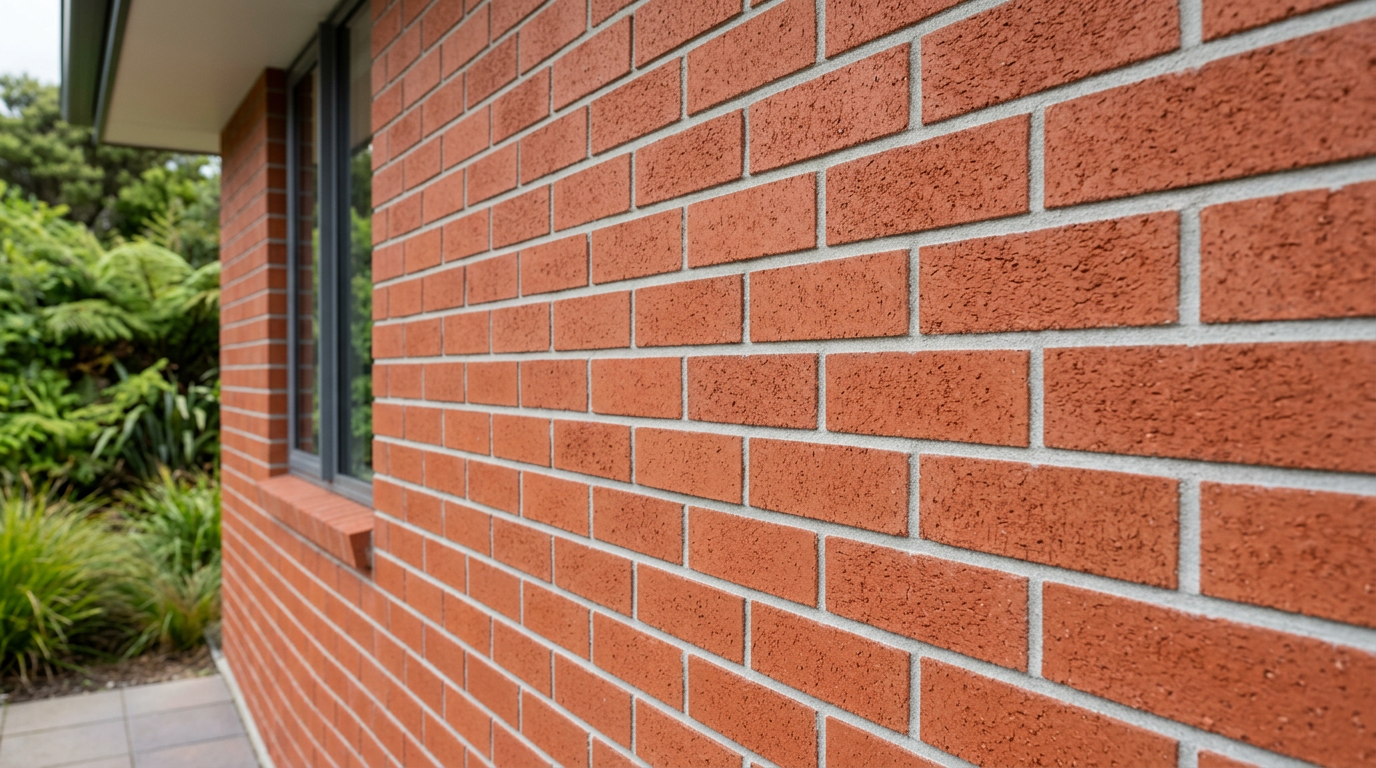
If you’ve ever looked at a tired brick wall, a cracked fence, or a plain exterior and thought it needs a proper finish, a renderer may be the trade you need. In Australian homes, rendering is a common way to improve appearance, protect surfaces from weather, and prepare walls for painting or other coatings.
A renderer is a tradesperson who applies a cement, acrylic or specialised coating to walls and other surfaces to create a smooth, textured or decorative finish. The work is common on brick, block, Hebel, concrete and fibre cement walls, and it can be used on new builds, renovations and repairs.
What A Renderer Does
Rendering is more than just “putting a coat on a wall”. A good renderer assesses the substrate, prepares the surface properly, and applies the right system for the building material and exposure conditions. In Australia’s harsh sun, coastal salt air and heavy rain in some regions, the finish needs to be suited to local conditions as well as the home’s style.
Common renderer tasks include:
- Preparing brick, block, concrete or fibre cement surfaces
- Applying cement render, acrylic render or polymer-modified coatings
- Repairing minor cracks, chips and surface defects before finishing
- Creating smooth, sponge, trowel, bagged or textured finishes
- Setting up profiles, corner beads and straight lines for a neat result
- Applying render to feature walls, fences, piers and façade details
Render can also be used to improve weather resistance and refresh older walls before painting with products from brands such as Dulux, Taubmans or British Paints. On some jobs, render is part of a broader external renovation that also involves cladding from James Hardie or colour-coated steel products such as Colorbond by BlueScope.
Common Rendering Services In Australia
Renderers offer a range of services depending on the property and the look you want. Some focus on decorative finishes, while others specialise in repairs or exterior coatings.
| Service | What It Involves | When It’s Useful |
|---|---|---|
| External wall rendering | Applying render to brick, block or concrete walls | When you want a cleaner look and added weather protection |
| Repair rendering | Patching cracks, loose sections and damaged areas | After movement, water damage or surface wear |
| Acrylic rendering | Flexible render system with strong adhesion | On modern façades, mixed materials or areas prone to minor movement |
| Texture finishing | Decorative topcoat for a specific look | When appearance and style are a priority |
| Blueboard and fibre cement finishing | Creating a prepared surface ready for paint or coating | On new extensions, fences and feature walls |
Many renderers also work closely with painters, builders and plasterers. In some cases, they may prepare walls that later get sealed and painted. On interior jobs, a renderer might handle decorative finishes, but more often you’d be looking for a plasterer or gyprocker from the CSR Gyprock range of building systems to handle internal wall linings.
Skills And Qualities To Look For
Good rendering is a skilled trade that relies on preparation, timing and a steady hand. The wrong mix, poor surface prep or incorrect curing can lead to cracking, flaking or an uneven finish.
Look for a renderer who has:
- Strong surface preparation skills
- Knowledge of different render types and substrates
- An eye for straight edges, symmetry and finish quality
- Experience with weatherproofing and crack management
- Good understanding of drying times and Australian weather conditions
- Safe work practices for scaffolding, ladders and dust control
Safe Work Australia guidance is relevant where trades are working at heights, using cutting tools or handling dust-producing materials. A professional renderer should know how to manage risks on site and use appropriate personal protective equipment.
When To Call A Renderer
You should call a renderer when a wall needs more than paint or basic patching. If the surface is raw brick, damaged, uneven or you want a fresh external finish, a renderer can advise on the best system.
Typical times to book one include:
- New home builds or extensions needing a finished exterior
- Old brick homes that need a modern update
- Cracked or patchy rendered surfaces needing repair
- Fence and letterbox upgrades for better street appeal
- Surfaces being prepared for painting or sealing
- Areas exposed to rain, wind or coastal conditions
If you’re seeing widespread cracking, damp patches or crumbling render, it’s wise to get an experienced renderer to inspect the issue. They can tell you whether it’s a surface problem, a substrate issue, or a sign of movement that may need a builder or another qualified trade involved.
Renderer, Plasterer Or Painter?
It can be confusing to know which trade to call. A renderer works mainly on external or masonry-style surfaces. A plasterer usually handles internal wall linings, setting and finishes. A painter comes in after the surface is sound and ready for coating. For some jobs, you may need more than one trade.
Use this simple guide:
- If the wall is masonry or external and needs a coating: call a renderer
- If the wall is internal plasterboard: call a plasterer
- If the surface is sound and just needs colour: call a painter
Also keep in mind that certain work in Australia is legally restricted. Electrical, gas and many plumbing tasks must be carried out by a licensed professional, and building requirements can vary under state and territory licensing and Fair Trading bodies. For structural or compliance questions, the National Construction Code and your local regulator may also apply.
Tips For Hiring The Right Renderer
Before you book, ask to see photos of recent jobs and check that the renderer has experience with your type of wall. It’s also worth confirming what surface preparation is included, which render system will be used, and whether the finish is suitable for painting later.
You can also ask:
- How will the surface be prepared?
- What render or coating system do you recommend?
- How do you manage cracks or existing damage?
- Will the finish suit coastal or high-sun conditions?
- Do you coordinate with painters or other trades if needed?
A careful renderer will talk through the process, explain drying and curing considerations, and suggest the right finish for the home rather than just the quickest option.
If you’re comparing trades and suppliers, you may also find home improvement advice from Bunnings or Mitre 10 helpful when planning paint, sealers or exterior maintenance. And if you’re outside Australia, you can also check Building or renovating across the Tasman? Our sister site Trade Directory NZ covers the same topics for New Zealand homeowners.