
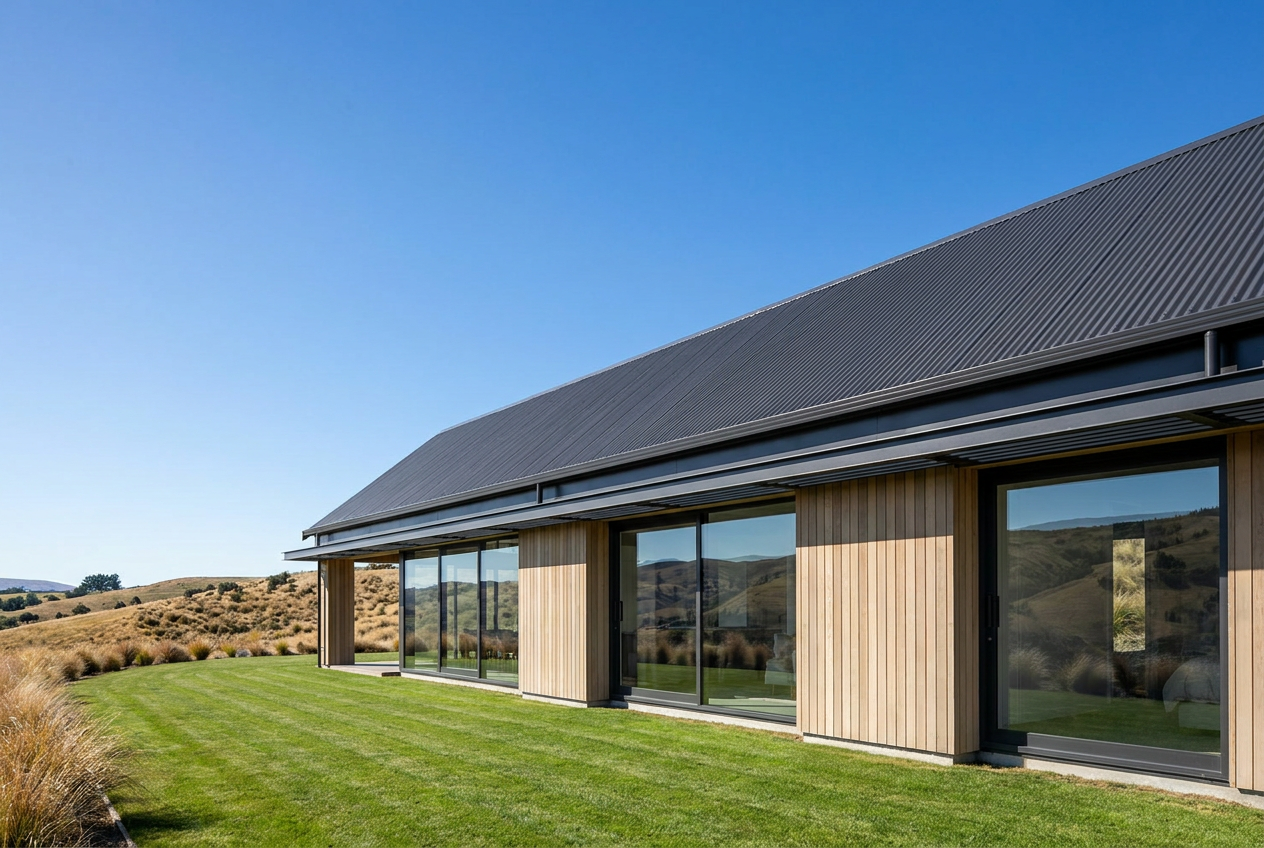
Roofing is one of those trades most homeowners only think about when something goes wrong. But a roofer does far more than patch a leak after a storm. From new roof installations to repairs, maintenance and inspections, roofers help protect your home from Australia’s harsh sun, heavy rain, hail and strong winds.
If you live in a brick home, a weatherboard place, a townhouse or a rural property, the roof is one of the most important parts of the building envelope. A qualified roofer helps keep water out, improves safety, and can extend the life of your roof before small issues become expensive damage.
What A Roofer Actually Does
A roofer works on the outer covering and structure of a roof. Depending on the job, that may include metal roofing, tile roofing, roof repairs, roof restorations, guttering, fascia, flashings, skylights and roof ventilation. Many roofers also handle roof plumbing-related tasks such as gutters and downpipes, but some of that work may require a licensed roof plumber depending on your state or territory.
Common roofing services in Australia include:
- installing new roofs on homes, sheds and extensions
- replacing damaged roof sheets, tiles or ridge cappings
- repairing leaks, storm damage and corrosion
- repointing and rebedding tiled roofs
- cleaning, repairing or replacing gutters and downpipes
- installing flashings around chimneys, skylights and roof penetrations
- inspecting roofs for wear, movement and water entry points
- improving roof ventilation and drainage
On many Australian homes, roofers work with popular materials such as Colorbond from BlueScope for metal roofing, or repair and maintain tiled roofs made from concrete or terracotta. They may also coordinate with other trades, such as carpenters, plasterers or painters, if roof leaks have caused internal damage.
Skills And Knowledge A Good Roofer Needs
Roofing is a hands-on trade that combines technical knowledge, physical fitness and a strong focus on safety. A good roofer needs to understand how roofs are built, how water moves across them, and how different materials perform in Australia’s climate.
Key Skills
- reading roof lines, pitches and measurements accurately
- spotting the source of leaks, not just the visible damage
- working safely at heights and using fall protection properly
- installing and sealing flashing, fasteners and joints correctly
- understanding metal, tile and membrane roofing systems
- recognising corrosion, cracked tiles, sagging and structural movement
- communicating clearly about options, risks and maintenance
Roofers should also know the National Construction Code and relevant Australian Standards that apply to roof installation and weatherproofing. In practice, that means they must install roofs in a way that is suitable for local conditions, including bushfire-prone areas, coastal corrosion, heat, and heavy rain events.
Safety is a major part of the trade. Safe Work Australia guidance, along with state and territory work health and safety rules, requires proper planning for work at heights. That includes harnesses, roof access equipment, edge protection and safe material handling. If a roofer seems casual about height safety, that is a red flag.
When You Should Call A Roofer
Not every roof issue is obvious from the ground. If you notice a stain on the ceiling, a damp smell in the roof space, water around light fittings after rain, or pieces of tile or metal in the yard, it is worth getting a roofer to inspect the roof before the problem spreads.
You should call a roofer when:
- there is an active leak during or after rain
- you can see cracked, slipped or missing tiles
- metal roofing shows rust, loose sheets or lifted fasteners
- gutters overflow even after cleaning
- the roof sags, moves or looks uneven
- storm damage has occurred
- the roof is getting old and starting to fail in multiple spots
- you are planning a renovation, extension or solar installation and need roof changes assessed
It is also smart to book a roofer for routine maintenance, especially after severe weather. In many cases, small fixes such as resealing flashings, replacing a handful of tiles, or clearing blocked gutters can prevent major internal damage later.
If the issue involves electrical wiring in the roof space, a licensed electrician must handle that work. If it involves gas lines, only a licensed gas fitter can do it. Certain plumbing tasks also require a licensed plumber or roof plumber, depending on the job and your local licensing rules.
Roofer, Roof Plumber Or Builder: Who Do You Need?
Homeowners often use “roofer” as a catch-all term, but the right trade depends on the problem. A roofer may be ideal for roof cladding, storm repairs and general roof maintenance. A roof plumber may be needed for gutters, downpipes, flashings and roof drainage. A builder may be required if there is structural damage to framing, rafters or trusses.
| Trade | Typical Work | When To Call |
|---|---|---|
| Roofer | Roof coverings, leaks, tiles, metal sheets, storm repairs | When the roof surface or weatherproofing is the issue |
| Roof Plumber | Gutters, downpipes, flashings, stormwater connection work | When water management and roof drainage need attention |
| Builder | Structural repairs, roof framing, extensions | When there is sagging, rot or broader building damage |
Before work starts, ask whether the roofer is appropriately licensed or registered in your state or territory. Licensing and registration requirements vary, and Fair Trading or building authority websites in each state can help you check what is required for the specific trade work.
How To Choose The Right Roofer
Choosing a roofer is not just about finding someone who can get up on the roof. You want someone who understands local conditions, uses quality materials, and is upfront about the likely cause of the problem.
- ask for evidence of current licensing or registration where required
- check that they have public liability and appropriate insurance
- look for clear communication and a practical inspection process
- ask what materials they recommend and why
- confirm they will follow relevant safety and compliance requirements
- make sure they are experienced with your roof type, whether tile or metal
For many homes, prevention is cheaper than major repairs. Simple upkeep such as gutter cleaning, replacing cracked tiles, or refreshing ageing metal roofing can make a big difference. If you are also repainting other exterior surfaces, products from Dulux, Taubmans or British Paints may come into the picture, but the roof itself should always be handled by the right trade for the job.
If you are comparing trades online, it can also help to browse general advice from Building or renovating across the Tasman? Our sister site Trade Directory NZ covers the same topics for New Zealand homeowners.