
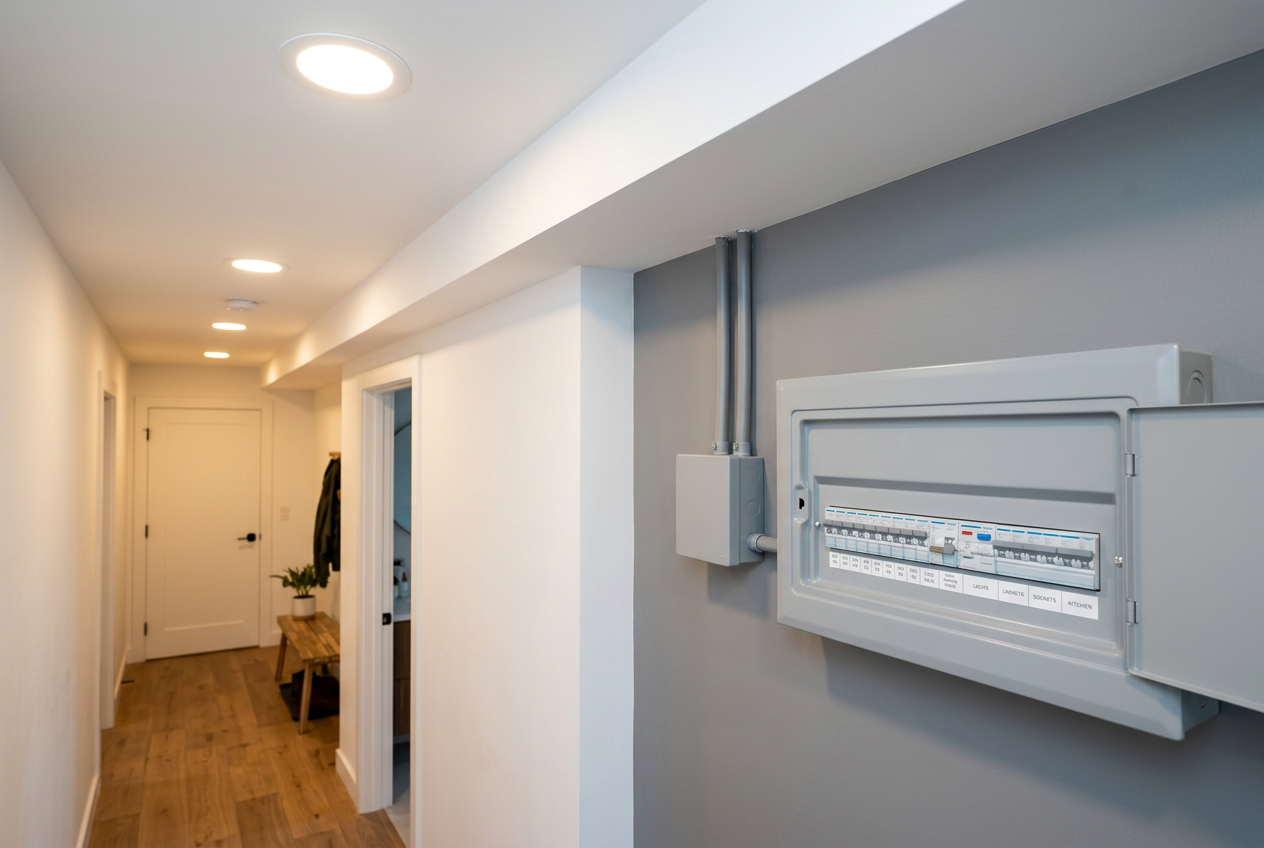
If you’ve ever wondered what an electrician actually does, the short answer is: a lot more than changing a light fitting. Electricians plan, install, test, maintain and repair electrical systems in homes, apartments, businesses and worksites across Australia. They help keep power flowing safely, make sure wiring meets the National Construction Code, and reduce the risk of electric shock, fire and equipment damage.
In Australia, electrical work is licensed work. That means anything beyond very minor DIY tasks should be done by a qualified, licensed electrician, and in many cases the work must also comply with state or territory rules, Safe Work Australia guidance and local licensing requirements. If you’re not sure whether a task is legal for a homeowner, the safest approach is to call a licensed professional.
What Electricians Do Day To Day
An electrician’s job can vary a lot depending on the type of work they do. Some specialise in homes, others in commercial buildings, industrial sites, data systems or renewable energy. But most electricians spend their days doing some mix of the following:
- Installing power points, switches, lights and ceiling fans
- Running and connecting wiring in new builds and renovations
- Finding faults when circuits trip or appliances stop working
- Upgrading switchboards and safety switches
- Testing electrical systems to check they’re safe and compliant
- Replacing damaged cabling, outlets or fittings
- Setting up smoke alarms and other safety-related devices where required
- Working on appliances, hot water systems or air conditioning controls, depending on their qualifications
For homeowners, that might mean an electrician comes in during a renovation to rough in new wiring, returns later for fit-off, then comes back again if a circuit starts tripping in summer when the air con and fridge are both working hard. In Australia’s hot climate, overloaded circuits and aged switchboards are common reasons people call an electrician.
Types Of Electrical Work You Might Need
Not all electricians do the same jobs. If you’re hiring one, it helps to know the broad categories of work they may cover.
| Type Of Work | What It Involves | Common Homeowner Jobs |
|---|---|---|
| Residential | Electrical work in houses, townhouses and apartments | Power points, lighting, fans, switchboards, faults |
| Commercial | Electrical systems in shops, offices and hospitality venues | Fit-outs, emergency lighting, maintenance, testing |
| Industrial | Heavier equipment and machinery on worksites or factories | Motors, control systems, shutdown maintenance |
| Data and communications | Networking, internet cabling and connected systems | Ethernet cabling, security systems, NBN-related cabling |
| Specialist services | Solar, battery storage, air conditioning or smoke alarm work | Solar inverter issues, battery installs, system upgrades |
For example, if you’re renovating with plasterboard from Gyprock/CSR, adding a new kitchen, or updating cladding with James Hardie or Colorbond/BlueScope products, an electrician may need to work alongside other tradies to move services, install new circuits or protect wiring paths before walls and ceilings are closed up.
Why Licensed Electrical Work Matters
Electrical work is not the place to guess. Even a small mistake can create a hidden hazard that shows up later as overheating, nuisance tripping or a serious safety issue. In Australia, licensing exists so electrical work is completed by someone trained to understand the rules, testing requirements and safe installation methods.
A licensed electrician can also identify issues a homeowner might miss, such as:
- Old rubber or cloth-insulated cable
- Overloaded power boards and circuits
- Incorrectly rated fittings or breakers
- Moisture damage in outdoor or bathroom areas
- Unsafe DIY alterations behind walls or in roof spaces
This is especially important in older homes, where wiring may not suit modern loads from split-system air conditioners, induction cooktops, EV chargers, home offices and extra appliances. A licensed electrician can assess whether your existing setup is suitable or whether an upgrade is needed.
What An Electrician Usually Checks During A Visit
If you book a local electrician for a fault, inspection or upgrade, they’ll often follow a process like this:
- Ask questions about the problem and when it started
- Inspect the visible parts of the electrical system
- Use testing equipment to locate the fault
- Switch off and isolate affected circuits where needed
- Repair or replace faulty components
- Test the system again to confirm it’s safe
- Explain what was done and whether follow-up work is recommended
For bigger jobs, they may also coordinate with builders, plumbers, plasterers or air conditioning installers. On a renovation, electricians often come in more than once: first to plan, then to rough in, then to fit off after the walls are complete.
When To Call An Electrician
You should call a licensed electrician if you notice any of these signs:
- Lights flickering or dimming for no clear reason
- Circuit breakers or safety switches tripping repeatedly
- A burning smell from a power point, switchboard or appliance
- Sparking, buzzing or heat coming from fittings
- Outlets that don’t work, feel loose or appear damaged
- Need for a new power point, ceiling fan, light fitting or switchboard upgrade
- Planning a renovation, extension or outdoor power installation
Some jobs may seem simple, but if they involve electrical wiring, connections or altering fixed installations, they are generally restricted to licensed work in Australia. If in doubt, check your state or territory Fair Trading or licensing body, or speak directly with an electrician.
How To Choose The Right Electrician
When comparing electricians, look for someone who is licensed, insured and experienced with your type of job. Ask whether they regularly handle residential work, renovation projects, switchboard upgrades, safety checks or solar-related electrical work, depending on what you need.
It’s also worth asking about:
- Whether they provide compliance paperwork where required
- How they handle fault finding and emergency call-outs
- Whether they can work with other trades on a renovation
- What products or brands they commonly install, such as trusted fittings and switches
A good electrician should explain the work in plain English, tell you if any extra issues are found, and leave the job neat and safe.
If you’re comparing trades across the ditch for general home improvement reading, you can also visit Trade Directory NZ.
Need help with a wiring fault, upgrade or new installation? Find qualified local electricians on Aussie Trade Directory and connect with local electricians near you.