
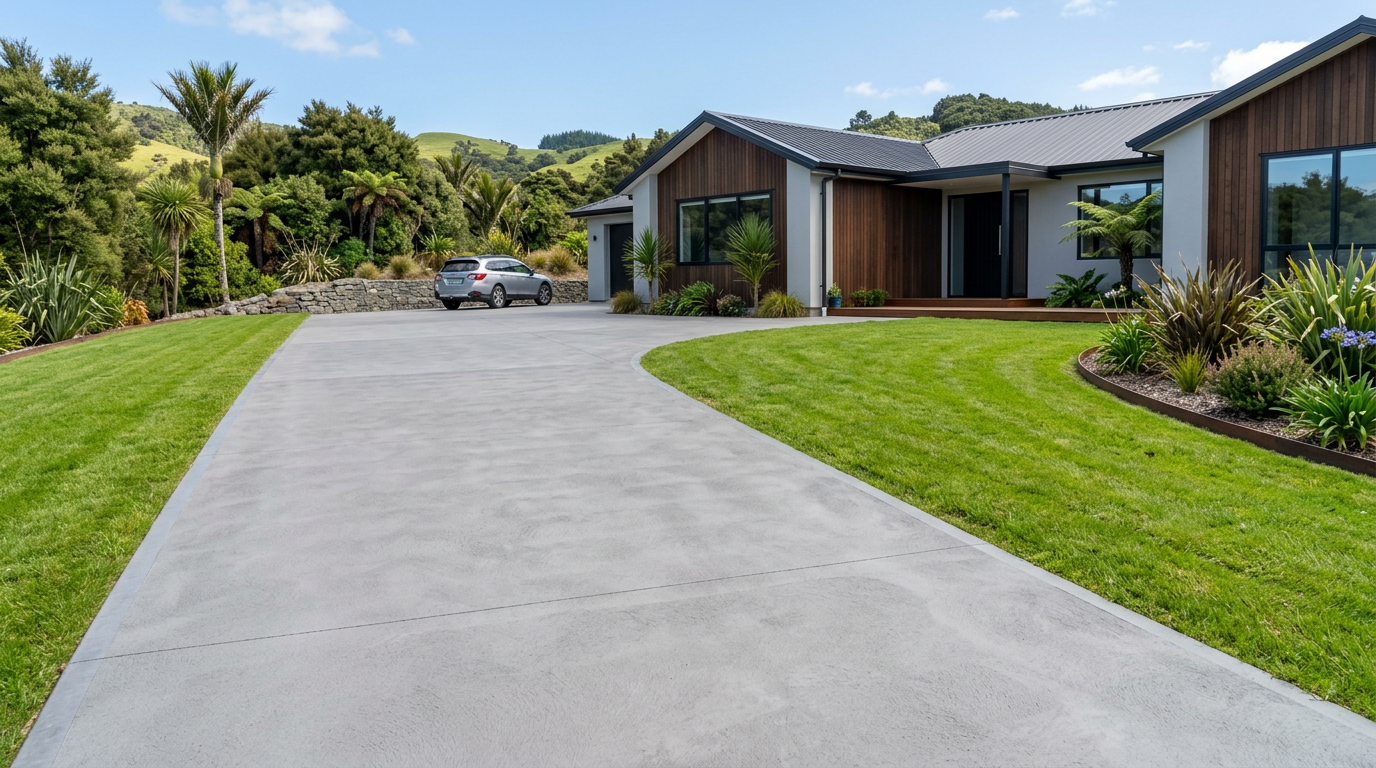
If you’re planning a driveway, patio, shed slab or footpath, it’s easy to hear people say “cement” when they really mean “concrete”. The two are related, but they are not the same thing.
In simple terms, cement is an ingredient, while concrete is the finished building material made by mixing cement with other materials such as sand, aggregate and water. Knowing the difference helps you choose the right product, talk clearly with tradespeople, and avoid mistakes on your next project.
Cement vs Concrete: The Basic Difference
Cement is a fine grey powder used as a binder. When water is added, it reacts and hardens. On its own, cement is not usually used for slabs, paths or driveways because it is too brittle and weak without the right mix of other materials.
Concrete is the complete mix. It usually contains cement, sand, aggregates such as gravel or crushed rock, and water. The cement binds everything together, while the sand and aggregate give the concrete strength, volume and durability.
| Material | What It Is | Common Use |
|---|---|---|
| Cement | A binding powder | Ingredient in concrete, mortar and render |
| Concrete | A mixed building material | Slabs, driveways, footpaths, posts and footings |
Why People Mix Them Up
In everyday conversation, many Australians say “cement” when they mean concrete. You might hear someone ask for “cement for the driveway”, even though the job actually requires a concrete mix. That’s because cement is the best-known part of the mix, but it is only one component.
This matters when you’re buying materials from Bunnings, Mitre 10 or a local building supplier. If you ask for cement when you need concrete, you may end up with a bagged product that is not suitable for the job. For example, you may need a ready-mix concrete, a general-purpose concrete mix, or a special blend for a footing or slab, depending on the task.
What Cement Is Used For in Australian Homes
Cement has many uses across Australian building and renovation work, but usually as part of another mix rather than on its own. It can be used in:
- Concrete for slabs, driveways and paths
- Mortar for laying bricks and blocks
- Render and patching products
- Grout and some repair compounds
In Australia, cement-based products must be used in line with the National Construction Code and relevant Australian Standards where applicable. For structural work, it is important that the right mix is chosen for the conditions, exposure and intended load.
When Concrete Is the Better Choice
Concrete is the go-to material for hard-wearing outdoor surfaces and structural elements. It is commonly used for:
- Driveways
- Garage and shed slabs
- Footpaths and paved areas
- Retaining wall footings
- Fence post footings
In Australia’s varied climate, concrete needs to suit the local conditions. Hot weather can make it set faster, while heavy rain can affect placement and finishing. In coastal areas, exposure to salt and moisture can also influence mix design and durability. A skilled concreter will take these factors into account.
Choosing the Right Mix for the Job
Not all concrete is the same. Different projects call for different strengths, finishes and additives. A small garden path will have different requirements from a driveway, and both will differ from a structural footing or slab.
If you’re doing a DIY project, read the bag instructions carefully and follow the manufacturer’s guidance. For larger or load-bearing jobs, it’s usually best to use a qualified concreter who understands site preparation, reinforcement, levels, drainage and curing. Poor preparation can lead to cracking, movement or early failure.
It’s also worth remembering that some building work in Australia is regulated. While pouring a simple path may be suitable for an experienced DIYer, structural slabs, footings and related building work may need to be carried out or signed off by appropriately licensed professionals, depending on your state or territory. Electrical, gas and certain plumbing work must always be done by a licensed tradesperson.
Concrete Care and Finishing Tips
Once concrete is placed, curing matters. Keeping it properly moist and protected during the early stage helps it gain strength and reduces the risk of cracking. On a hot, dry day, this is especially important.
Finishing also affects the result. A smooth finish may suit an internal area or garage, while a broom finish can be better for outdoor slip resistance. If you’re unsure, ask your concreter about the best finish for your home and the local conditions.
For homeowners comparing building materials, it can also help to remember that other products have their own roles too. Gyprock is used for wall linings, James Hardie fibre cement products suit many exterior applications, and Colorbond steel from BlueScope is a different material again. Cement is one ingredient in a wide range of construction products, but it is not the final material by itself.
If you’re planning work and want advice on the right concrete for your project, a local professional can help you choose the best option for your site, budget and finish requirements. For more resources and trade connections, you can also visit Trade Directory NZ.
Need a hand with your next slab, path or driveway? Find qualified local concreters on Aussie Trade Directory and get the job done properly.