
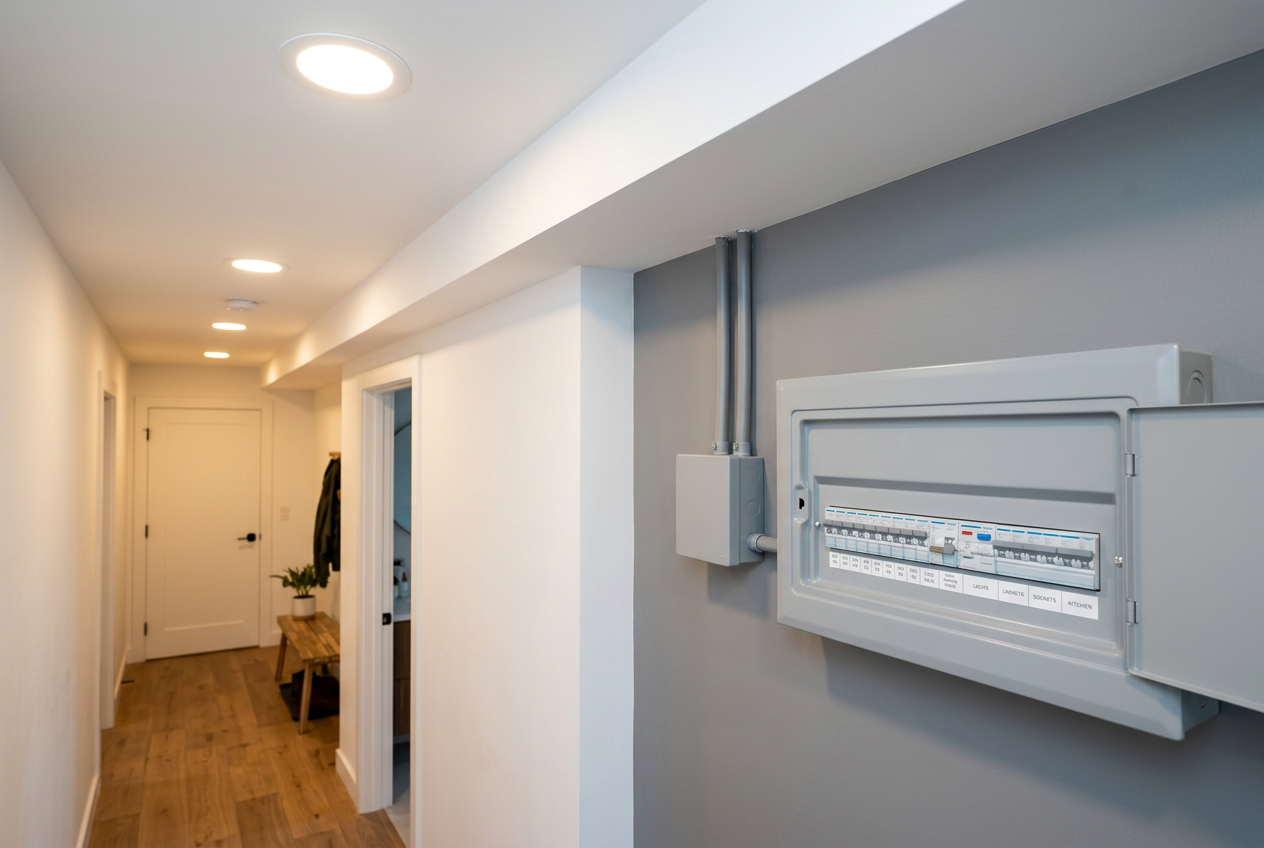
It’s a common DIY question for Australian homeowners: can you change a power point or light switch yourself? The short answer is no, not in Australia. Work on fixed electrical wiring, including replacing wall switches and power points, must be carried out by a licensed electrician. This is not just a best-practice recommendation — it is a legal and safety requirement.
That rule exists for good reason. Even a simple-looking switch or outlet is connected to your home’s electrical system, and mistakes can lead to electric shock, fire, damage to appliances, or non-compliant work that may create problems later when you sell, insure, or renovate your home.
What Australian Homeowners Can And Can’t Do
Many people are comfortable changing a light globe, resetting a safety switch, or plugging in an appliance. Those tasks are fine because they do not involve altering fixed wiring. But once you start removing a wall plate, touching conductors, or swapping out the internal mechanisms behind a power point or light switch, you are in licensed electrical work territory.
In Australia, electrical licensing is regulated at state and territory level, with oversight from the relevant Fair Trading or consumer affairs body. The National Construction Code and Australian safety requirements also support proper installation, testing, and certification. If you are ever unsure, assume the work is restricted and call a licensed electrician.
Generally Safe DIY Tasks
- Replacing light globes with the correct type and wattage
- Using plug-in appliances as intended
- Resetting tripped safety switches or circuit breakers
- Cleaning around switches and power points without opening them
Work That Must Be Done By A Licensed Electrician
- Replacing a power point or light switch
- Adding new outlets or switch locations
- Repairing damaged electrical wiring
- Installing dimmers, timers, or smart switches if they involve fixed wiring
- Any work involving hardwired appliances or circuits
Why Replacing A Switch Or Power Point Is Not A Simple Swap
To a homeowner, a broken switch cover or cracked outlet might look like a quick fix. But behind the faceplate, an electrician must identify the active, neutral, and earth conductors, confirm the circuit is safely isolated, test for residual voltage, and ensure the new fitting is compatible with the existing wiring and load.
Australian homes can include older wiring systems, different generations of switchgear, and a mix of modern and older fittings. Some houses may have extra considerations such as insulation, damp areas, outdoor locations, or pre-existing DIY work that no longer meets current standards. That’s why licensed electrical work is not just about installing a new part — it’s about checking the whole circuit is safe and compliant.
If the existing outlet or switch is discoloured, cracked, hot to the touch, buzzing, loose, or showing scorch marks, stop using it and arrange an electrician promptly. These are warning signs that can point to underlying problems in the wiring or connections.
What A Licensed Electrician Will Usually Do
A qualified electrician will first isolate the circuit and test it properly before touching the fitting. They can then replace the power point or switch, inspect the condition of the wiring, and confirm the circuit protection is appropriate. If the fitting is in a bathroom, laundry, outdoor area, or another exposed location, they will also make sure the product suits the environment and meets relevant safety requirements.
For some homes, the electrician may recommend upgrading old fittings, installing modern safety switches, or replacing damaged accessories in a way that improves both safety and appearance. If you are renovating, they can also coordinate the electrical work with other trades, such as plasterers, carpenters, or painters using products from brands like Gyprock/CSR, James Hardie, Dulux, Taubmans, or British Paints.
| Task | DIY? | Why |
|---|---|---|
| Change a light globe | Usually yes | No fixed wiring involved |
| Replace a power point | No | Licensed electrical work |
| Replace a light switch | No | Licensed electrical work |
| Install a new outlet or dimmer | No | Needs compliance and testing |
| Reset a tripped breaker | Usually yes | Part of normal household use |
How To Stay Safe While You Wait For An Electrician
If a switch or power point looks damaged, do not use it. Turn off the relevant circuit at the switchboard if you can do so safely, and keep children away from the area. Do not tape over the fitting as a long-term solution, and do not remove the cover to inspect the wiring yourself.
If you smell burning, hear crackling, or see smoke, treat it as urgent. Turn off power at the main switch if safe to do so and call an electrician right away. For emergency situations involving fire or immediate danger, contact emergency services.
It is also worth checking your home’s electrical safety devices. Modern switchboards should include safety switches, and if you live in an older home, a licensed electrician can assess whether your system needs an upgrade. That is especially important in homes exposed to heat, humidity, storms, or salty coastal air, which can all affect electrical fittings over time.
Planning A Safe Electrical Repair Or Upgrade
If your goal is a cleaner look, better functionality, or matching fittings throughout the house, talk to an electrician about your options before buying new products from Bunnings or Mitre 10. They can help you choose fittings that suit the room, the circuit, and the home’s existing wiring. For example, a simple replacement may be straightforward in one room, while another area may need moisture-resistant fittings or a more modern upgrade.
For homeowners doing a bigger refresh, it can make sense to line up the electrical work with painting, plaster repairs, or new wall linings so everything is finished neatly the first time. That is often the safest and most efficient approach.
If you’re comparing trades or planning a renovation, you may also find useful information through Trade Directory NZ.
For safe, compliant electrical work, find a qualified local electrician on Aussie Trade Directory and book a trusted professional through our local electricians.