
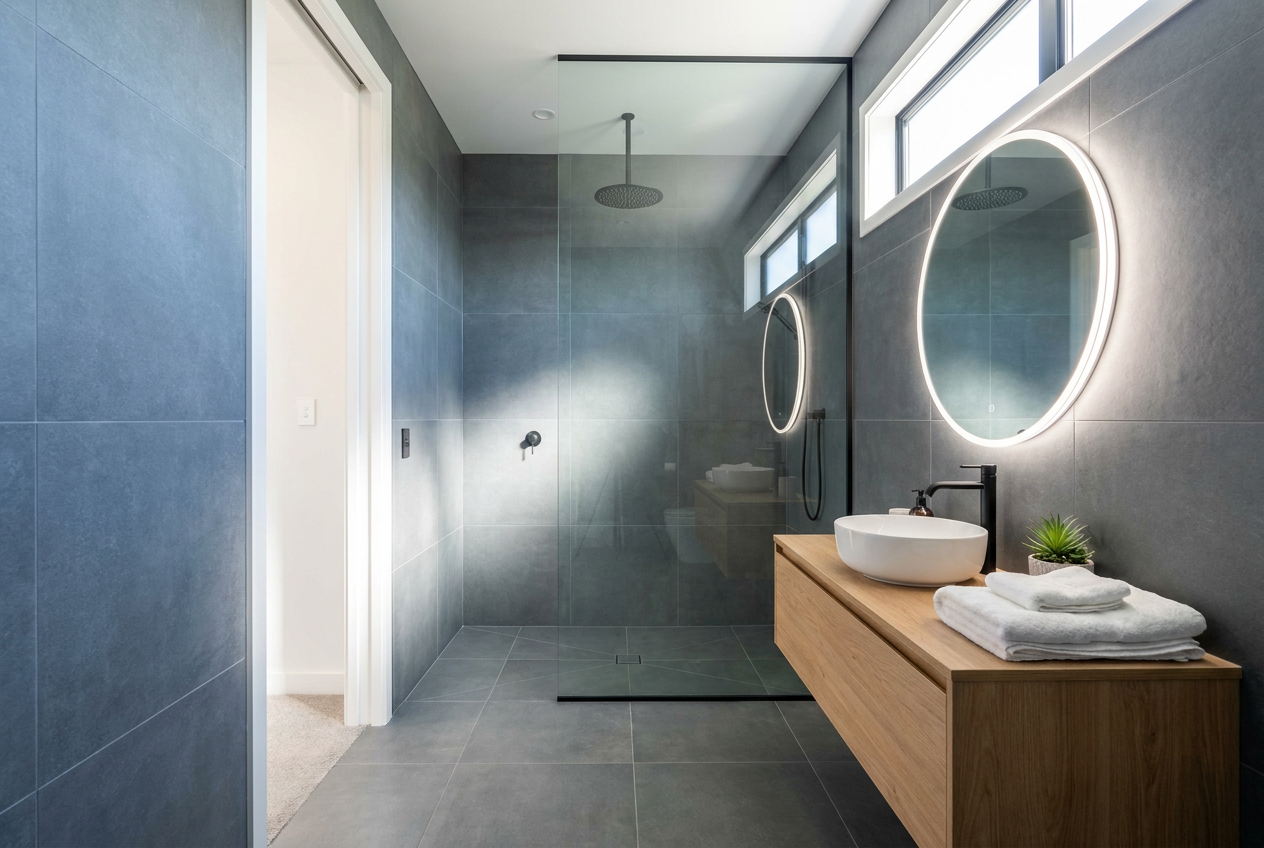
Yes, you can paint tiles in a bathroom or kitchen in Australia — but only if the surface is suitable and you’re prepared to do the prep properly. Tile painting can be a handy refresh for tired splashbacks, old ceramic walls, or dated bathroom feature areas, especially when a full renovation isn’t on the cards.
That said, painted tiles are not the same as new tiles. The finish is generally best for walls and splashbacks, not high-wear floors or areas exposed to constant soaking. In humid Australian bathrooms and busy kitchens, success comes down to choosing the right coating, following the manufacturer’s instructions, and giving the surface time to cure.
If the tiles are loose, cracked, mouldy, or water-damaged behind the surface, painting is not the fix. In those cases, a qualified tradesperson should inspect the area before you go any further.
Where Tile Painting Works Best
Tile painting is most commonly used on glazed ceramic wall tiles, splashbacks, and low-traffic decorative areas. It can work well where the goal is a visual update rather than a structural change.
Good candidates
- Bathroom wall tiles that are sound and securely fixed
- Kitchen splashbacks away from heavy impact and constant scrubbing
- Laundry wall tiles in reasonably dry areas
- Old tiles that are clean, intact, and not flaking
Poor candidates
- Shower recesses with persistent water exposure
- Floors, especially in busy households
- Cracked, hollow-sounding, or loose tiles
- Silicone-heavy areas where adhesion is difficult
In Australia’s warmer states and humid coastal areas, bathroom coatings can be tested by steam, condensation, and mould pressure. That makes ventilation especially important during both application and drying.
What You Need to Know Before Painting
The biggest mistake DIYers make is treating tile paint like ordinary wall paint. Tiles need a strong bond, so the surface usually needs to be scrubbed, degreased, repaired, and lightly abraded before priming. Skipping these steps often leads to peeling, chipping, or stained spots showing through.
Most tile paint systems available from Bunnings, Mitre 10, Dulux, Taubmans, and British Paints are designed as multi-step coatings. That often means a cleaner, a primer or adhesion promoter, and a topcoat suited to wet areas. Always follow the system from one manufacturer rather than mixing products at random.
For bathrooms and kitchens, check that the product is suitable for high-humidity interior use and for the specific tile material. Some coatings work better on ceramic or porcelain than on natural stone, and some are not recommended over previously sealed surfaces.
| Area | Can It Be Painted? | Notes |
|---|---|---|
| Bathroom wall tiles | Often yes | Best if dry, sound, and well-ventilated |
| Shower tiles | Usually not ideal | Constant water exposure can shorten the life of the finish |
| Kitchen splashbacks | Often yes | Use a product that resists cleaning and grease |
| Tile floors | Sometimes, but not ideal | Wear and slip resistance are common problems |
How to Prepare Tiles Properly
Preparation is the job most likely to determine whether the result lasts. A good tile painting project usually includes the following steps:
- Clean thoroughly to remove soap scum, grease, and silicone residue
- Scrub mould with an appropriate bathroom cleaner
- Repair chips, gaps, and damaged grout where needed
- Mask off benchtops, fittings, and adjoining surfaces
- Lightly sand or scuff glossy tiles so the coating can grip
- Apply the primer or bonding coat recommended by the paint maker
If you’re dealing with mould, remember that repeated mould growth can point to a ventilation problem. An exhaust fan may need attention, and any electrical work must be done by a licensed electrician. Likewise, if a plumbing issue is causing ongoing dampness, use a licensed plumber.
Pros and Cons of Painting Tiles
Painting tiles can be a smart cosmetic update, but it is not a permanent replacement for tiling. Here’s a practical comparison:
| Pros | Cons |
|---|---|
| Cheaper than a full re-tile | May not last as long as new tiles |
| Can refresh old colours quickly | Needs careful prep and patience |
| Useful for rental or pre-sale makeovers | Can be damaged by harsh cleaning or scraping |
| Suitable for some DIY jobs | Shower areas and floors are higher risk |
If you want a low-commitment update, painted tiles can be a solid option. If you want a long-term finish in a high-use bathroom or kitchen, re-tiling may be the better investment.
When to Call a Tiler or Other Licensed Pro
Call a qualified tiler if the tiles are loose, the substrate is damaged, or you want a proper assessment of whether painting is worthwhile. A professional can also tell you whether waterproofing has failed behind bathroom tiles. In wet areas, waterproofing and tiling work must comply with the National Construction Code and relevant Australian standards.
It’s also worth speaking with a licensed tradesperson if the existing grout is failing, the surface has chronic mould, or the area needs more than a cosmetic fix. In some cases, the best result comes from removing the old finish and starting again rather than painting over a bigger problem.
For Australians in hotter, more humid climates, a finish that looks great on day one may still struggle if the room lacks ventilation. That’s why product choice, prep, and correct curing time matter so much.
For homeowners comparing options across the Tasman, you can also visit Trade Directory NZ.
If you’re unsure whether your tiles are a good candidate for painting, find a qualified local tiler on Aussie Trade Directory and compare trusted local tilers.