
If you are trying to decide how to heat your home, a heat pump can be a very smart choice for many Australian households, but it is not the only option. The best system depends on your climate, room size, insulation, budget, and whether you want heating only or year-round comfort.
In Australia, the word “heat pump” is often used to describe a reverse-cycle air conditioner. These systems cool in summer and heat in winter, which makes them especially appealing in places with warm or mixed climates. But depending on your home, you might also be comparing panel heaters, fan heaters, gas heating, wood heaters, or hydronic systems.
Start With Your Home And Climate
Before comparing products, look at how your home performs. A well-insulated home with sealed gaps around doors and windows will usually need less heating than a draughty one. In many cases, improving insulation or upgrading ceiling insulation can make a bigger difference than changing the heater alone. Products such as Gyprock/CSR wall and ceiling systems, James Hardie linings, and Colorbond roofing solutions can all play a role in the overall performance of a home when used as part of a broader build or renovation.
Australia’s climate varies widely. A heat pump is often a strong option in coastal, temperate and many inland areas where winter nights are cool but not extreme. In colder regions, you may want a system with stronger low-temperature performance. In hotter areas, the cooling function is often just as important as the heating function, which gives heat pumps an advantage over single-purpose heaters.
Compare The Main Heating Options
Here is a practical comparison of common choices for Australian homes:
| Heating Option | Best For | Things To Watch |
|---|---|---|
| Heat pump / reverse-cycle air conditioner | Whole-room or whole-home comfort, heating and cooling, energy-conscious households | Needs correct sizing, professional installation, and good airflow |
| Panel or fan heater | Small rooms, short bursts of heat, occasional use | Usually less efficient for regular or whole-home heating |
| Gas heating | Homes already set up for gas, fast heat output | Requires gas fitting work by a licensed gasfitter; not ideal where gas is unavailable |
| Wood heater | People wanting radiant heat and fire ambience | Needs space, fuel storage, and careful attention to smoke and compliance rules |
| Hydronic heating | Comfort-focused homes, consistent whole-home warmth | Higher upfront complexity and professional design is important |
As a general rule, if you want one system that can both heat and cool efficiently, a heat pump is hard to beat. If you only need to warm a small room now and then, a portable or wall heater may be simpler. If you already have gas connected, it may still be worth comparing running style and long-term comfort rather than assuming gas is the cheapest or best fit.
Think About Running Costs, Noise And Comfort
Running cost matters, but so does the kind of comfort you want. Heat pumps warm the air steadily and can maintain a more even temperature than many plug-in heaters. They are usually quieter than older systems, though you should still check indoor and outdoor unit noise levels before buying.
Consider these practical points:
- Efficiency: Heat pumps move heat rather than creating it, so they are generally more efficient than resistance-style heaters.
- Comfort: Reverse-cycle systems provide both heating and cooling, which suits much of Australia.
- Room coverage: Some heaters are good for one room only, while a correctly sized split system can handle a larger living area.
- Control: Most modern units allow zoning, timers and remote control, which can help reduce wasted energy.
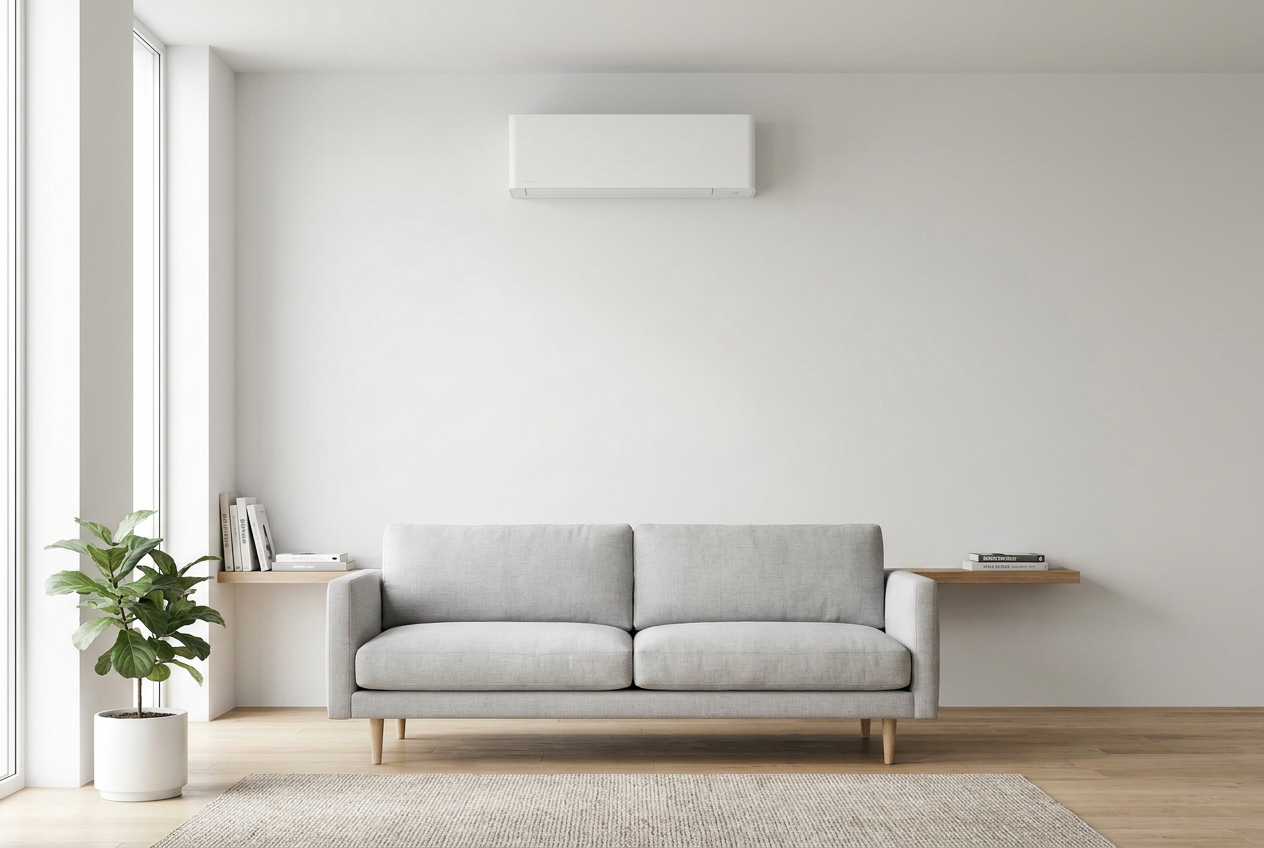
- Appearance: Wall-mounted indoor units are discreet compared with some older heating appliances.
If you are weighing up gas versus a heat pump, remember that gas appliances must be installed and serviced in line with Australian regulations, and gas work must be done by a licensed professional. Electrical work must also be carried out by a licensed electrician. For any heating system, follow the National Construction Code and relevant state-based licensing and Fair Trading requirements.
When A Heat Pump Makes The Most Sense
A heat pump is often the best fit when you want year-round use, lower energy waste, and reliable comfort in a living room, open-plan area or several bedrooms. It is especially appealing if you are replacing an old electric heater or looking to simplify your home’s heating and cooling setup.
You may prefer another option if:
- you only need occasional heat in a small space
- your home is already set up for another efficient system
- you want a fireplace-style aesthetic
- the installation location makes a split system impractical
- you have specific comfort needs that suit hydronic or ducted solutions better
Also think about installation practicality. A heat pump needs suitable wall space, outdoor unit placement, drainage, and the right electrical capacity. A licensed air conditioning technician can assess whether your home can support a split system, multi-split setup, or ducted solution. In many homes, this is where the right advice matters more than the brand on the box. If you are shopping at Bunnings or Mitre 10, it helps to know the system you choose is suitable before you buy.
Brand preferences for paint or finishes, such as Dulux, Taubmans or British Paints, are less relevant to the heater itself, but they do matter when you are planning renovations around a new system and want the installation to blend into the room.
If you are comparing options for another home or project in a different market, you may also find useful advice through Trade Directory NZ.
For the safest and most suitable result, find a qualified local air conditioning technician on Aussie Trade Directory and get the right advice before you buy: local air conditioning technicians.