
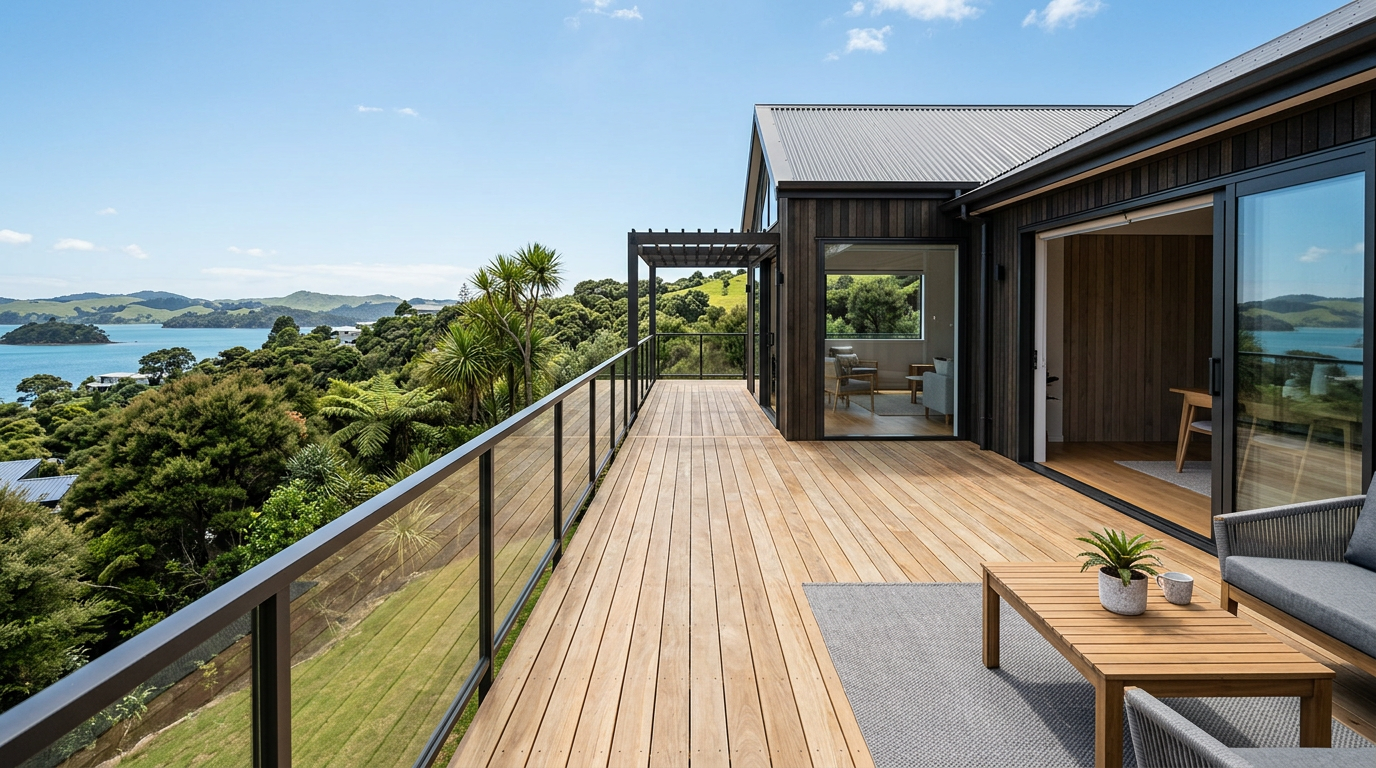
If you need power in the backyard, on the driveway, or for a weekend project under the pergola, the right outdoor extension lead can make the job easier and safer. But not all extension leads are suitable for outside use, and using the wrong one can create serious shock, fire, and trip hazards.
In Australia, outdoor electrical equipment should be chosen with our weather, our heat, and our safety rules in mind. If you are unsure about any electrical setup, or need new outdoor power points installed, that work must be done by a licensed electrician in line with state and territory licensing rules and the National Construction Code.
Check The Lead Is Rated For Outdoor Use
The first thing to look for is whether the extension lead is clearly marked for outdoor use. Indoor leads are not built to handle wet grass, humidity, dust, or the extra wear that comes with being dragged across concrete, deck boards, and paving.
Outdoor leads generally have tougher insulation and plugs designed to better resist moisture and abrasion. In Australian stores like Bunnings and Mitre 10, you will often see leads described as heavy duty, weather resistant, or suitable for outdoor use. Look for clear labelling rather than guessing based on colour or thickness alone.
Also check that the lead and plug have the correct Australian approval markings. Electrical products sold here should comply with relevant Australian standards and state or territory electrical product requirements.
Choose The Right Length And Cable Size
The right length is important. Too short, and you will be tempted to join multiple leads together, which is not ideal. Too long, and you may end up with a tangled cable that is harder to manage and more likely to be damaged.
As a general rule, choose the shortest lead that comfortably reaches your work area. If you need a longer run across the yard, a heavier duty lead is usually a better choice than a lightweight one.
Cable thickness matters too. A thicker lead is usually better for power tools, pumps, or other gear that draws more power. Thin leads are more suitable for light jobs such as garden lighting, small chargers, or occasional household use. Check the packaging for the intended load and make sure it suits the appliance you plan to run.
Common Outdoor Lead Types
| Lead Type | Best For | What To Watch For |
|---|---|---|
| Light duty outdoor lead | Garden lights, low-demand tools, occasional use | Not suitable for high-draw appliances or long runs |
| Heavy duty outdoor lead | Power tools, pressure washers, jobsite use | Heavier and less flexible, but generally tougher |
| Weather-resistant lead with RCD protection | Areas exposed to moisture or higher-risk outdoor work | Must still be used correctly and kept in good condition |
Look For Safety Features That Matter
Outdoor extension leads should have safety features that suit real Australian conditions. A safety switch, also called an RCD, can provide important additional protection by cutting power if a fault is detected. This is especially useful around gardens, outdoor entertaining areas, and places where moisture may be present.
Other useful features include:
- Weather-resistant sockets or covers
- Heavy duty insulation
- Clear maximum load information
- Tough plugs and socket housings
- Bright colours for better visibility in the yard
Do not tape over damaged insulation, force a plug into a loose socket, or use a lead that has cuts, cracks, scorch marks, or exposed wiring. Replace damaged leads rather than trying to patch them up.
Match The Lead To The Job And The Climate
Australia’s climate can be tough on outdoor gear. Summer heat, UV exposure, rain, dust, and sudden storms all take a toll. A lead left in full sun near a Colorbond fence or on hot paving can deteriorate faster than one stored properly in the shade.
Think about how you will use the lead:
- For garden work: choose a lead that is easy to see and flexible enough to move around plants and edging.
- For power tools: use a heavy duty lead that suits the tool’s power draw.
- For occasional outdoor entertaining: choose a weather-resistant lead with sensible cable length.
- For work near water: be extra cautious and use an RCD where appropriate.
If you are running power to a shed, granny flat, pool area, or workshop, it may be better to have properly installed outdoor outlets rather than relying on a long temporary lead. That kind of electrical work must be handled by a licensed electrician.
Use And Store It Properly
Even the best extension lead will not stay safe if it is used badly. Never run a lead through standing water, under rugs, or where it can be pinched in a door or window. Keep connections off the ground where possible and avoid coiling a lead tightly while it is carrying a heavy load, as heat can build up.
After use, disconnect it, wipe off dirt or moisture, and store it neatly in a dry place out of direct sun. A garage, shed, or laundry cupboard is usually better than leaving it on the patio all week. Regularly inspect it for damage, especially if it has been used on a building site, around the garden, or in dusty conditions.
Quick Buying Checklist
- Marked clearly for outdoor use
- Suitable length without excessive slack
- Correct cable thickness for the appliance
- RCD or safety switch where appropriate
- Weather-resistant construction
- Australian compliance markings
- No visible damage or wear
If you are comparing options at Bunnings or Mitre 10, focus on the task first, then the lead quality second. The right choice is the one that safely matches the appliance, the distance, and the conditions you will use it in.
For broader home improvement advice, it can also help to compare local trade information through Trade Directory NZ.
If your outdoor power setup needs new outlets, repairs, or a safer long-term solution, find a qualified local builder on Aussie Trade Directory through local builders.