
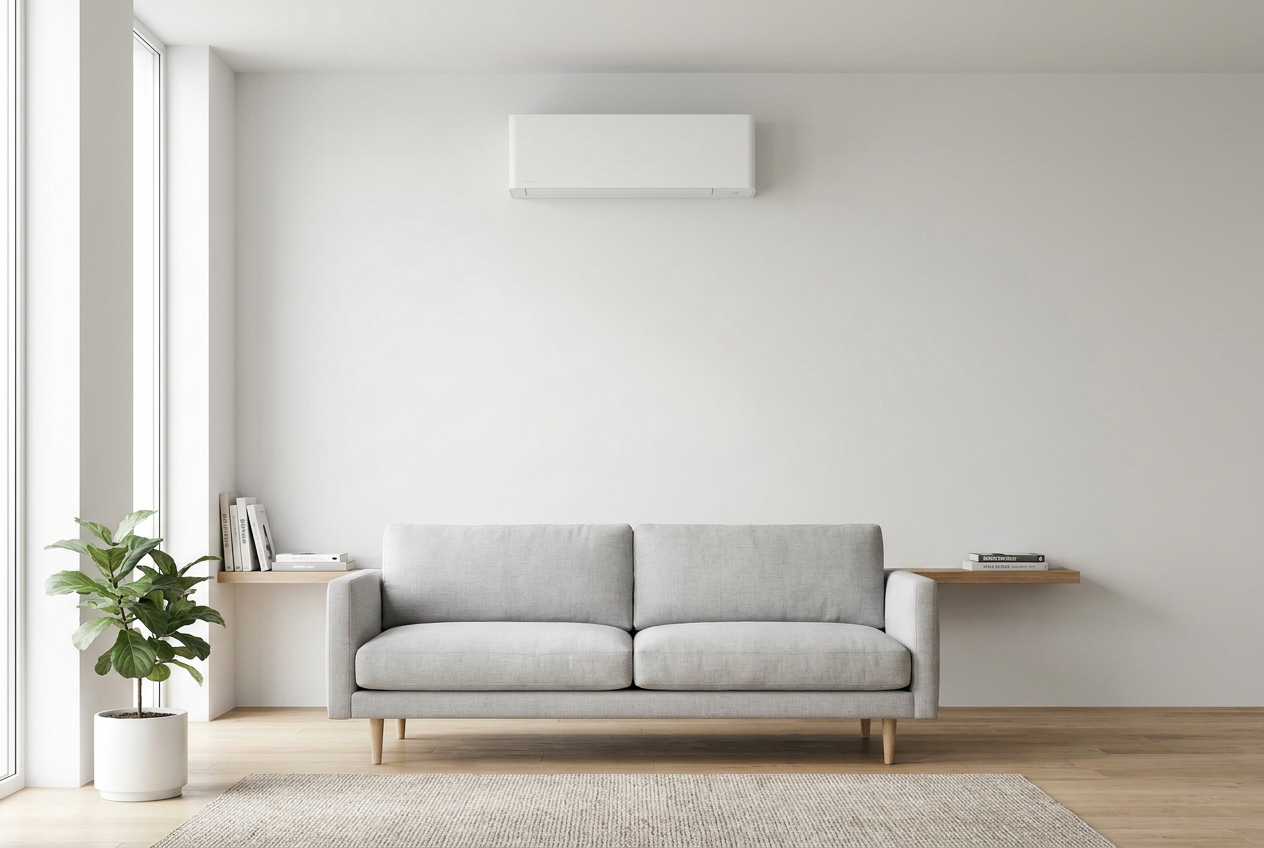
Choosing the right size heat pump for a room is one of the easiest ways to improve comfort and keep running costs sensible. In Australia, a unit that is too small will struggle on hot or chilly days, while one that is too large may short-cycle, create uneven temperatures and waste energy. The goal is to match the system to the room and the way it is used.
This guide explains the main factors to consider so you can make a smart choice before you speak with an installer or buy a unit from a retailer such as Bunnings or Mitre 10. For any electrical work, and for installation of fixed air conditioning equipment, use a licensed professional in line with state and territory licensing rules and the National Construction Code.
Why Heat Pump Size Matters
A heat pump is designed to move heat rather than create it from scratch, which makes it efficient. But efficiency depends on correct sizing. If the unit is undersized, it may run constantly without properly heating or cooling the room. If it is oversized, it can switch on and off too often, which can reduce comfort and may increase wear on components.
The right size should be based on more than just floor area. Ceiling height, insulation, glazing, room orientation and the Australian climate zone all affect how much heating and cooling a room needs.
What To Measure Before You Choose
Start with the basics:
- Room size: Measure the length and width to work out the floor area.
- Ceiling height: Higher ceilings mean more air to condition.
- Insulation: Ceiling and wall insulation can make a big difference, especially in older homes.
- Windows and doors: Large glass areas, sliding doors and draughts increase the load on the system.
- Sun exposure: West-facing rooms in many parts of Australia can heat up quickly in the afternoon.
- Room use: Bedrooms, living rooms and home offices have different comfort needs and occupancy patterns.
If your home has recently been renovated with products like Gyprock, CSR, James Hardie or Colorbond roofing, that can also affect thermal performance. Better building materials and insulation generally mean the system does not need to work as hard.
Heat Pump Sizing Guide: What To Compare
Manufacturers usually list the heating and cooling capacity of a unit. Your installer will interpret this against the room conditions, but it helps to understand the main differences between smaller and larger systems.
| Room Type | General Sizing Considerations | What To Watch For |
|---|---|---|
| Small bedroom or study | Lower capacity may be enough if the room is well insulated and not heavily sun-exposed | Avoid over-sizing, especially for short usage periods |
| Main bedroom | Needs enough capacity for comfort overnight and during hot afternoons | Factor in window size, blinds and occupancy |
| Open-plan living area | Usually needs more capacity because air moves through adjoining spaces | Consider kitchen heat, tall ceilings and multiple windows |
| Top floor room | May need extra capacity due to roof heat gain in summer | Good insulation and roof space ventilation matter |
As a rule, a qualified installer will look at the manufacturer’s sizing guidance and then adjust it to suit your home. That is especially important in hotter parts of Australia, where summer demand can be high and the afternoon sun can be intense.
Other Factors That Affect The Right Size
Climate And Location
Australia has very different conditions depending on where you live. A heat pump that performs well in a mild coastal climate may need to work harder in inland or northern areas. Local temperature extremes, humidity and winter conditions all matter.
Insulation And Draughts
Good ceiling insulation, sealed gaps around doors and windows, and effective window coverings can reduce the size of system required. If you are planning upgrades, products from Dulux, Taubmans or British Paints may help with interior finishes, but thermal performance still comes down to insulation and air sealing first.
Room Layout
A long narrow room, a room with a hallway opening, or an open-plan area with little door control may need a different approach from a simple square bedroom. Airflow can be harder to manage in these spaces, so placement of the indoor unit becomes important too.
Ceiling Fans And Sun Control
Ceiling fans can help move air around and make a room feel more comfortable, allowing the heat pump to work more steadily. External shading, awnings and blinds can also reduce heat gain in summer.
Signs The Unit May Be The Wrong Size
- The room never reaches a comfortable temperature.
- The system runs for long periods with little effect.
- The indoor unit cycles on and off frequently.
- Some parts of the room feel hot or cold while others are fine.
- Energy use feels higher than expected for the room size.
If any of these sound familiar, the issue may be sizing, installation location, airflow obstruction or poor room insulation. An experienced technician can inspect the setup and advise whether the unit needs adjustment, servicing or replacement.
Best Practice Before You Buy
Before choosing a model, gather the room measurements, note window sizes, insulation level and how the room is used. Then compare a few options rather than picking solely by brand or appearance. Many Australian homeowners find it helpful to get a site inspection from a licensed air conditioning technician before purchasing, especially for fixed split systems or multi-room setups.
Remember that electrical connection and any fixed installation must be carried out by a licensed professional. For compliance and peace of mind, check local licensing requirements and use a technician who understands the National Construction Code and state-based rules.
If you are comparing home improvement approaches, it can also help to think about the room as a whole: insulation, plasterboard, windows, roofing and shading all affect the load on the system. A well-prepared room can often perform better with a smaller, more efficient unit than a poorly sealed room with a bigger one.
For homeowners looking for more trade advice, Building or renovating across the Tasman? Our sister site Trade Directory NZ covers the same topics for New Zealand homeowners.