
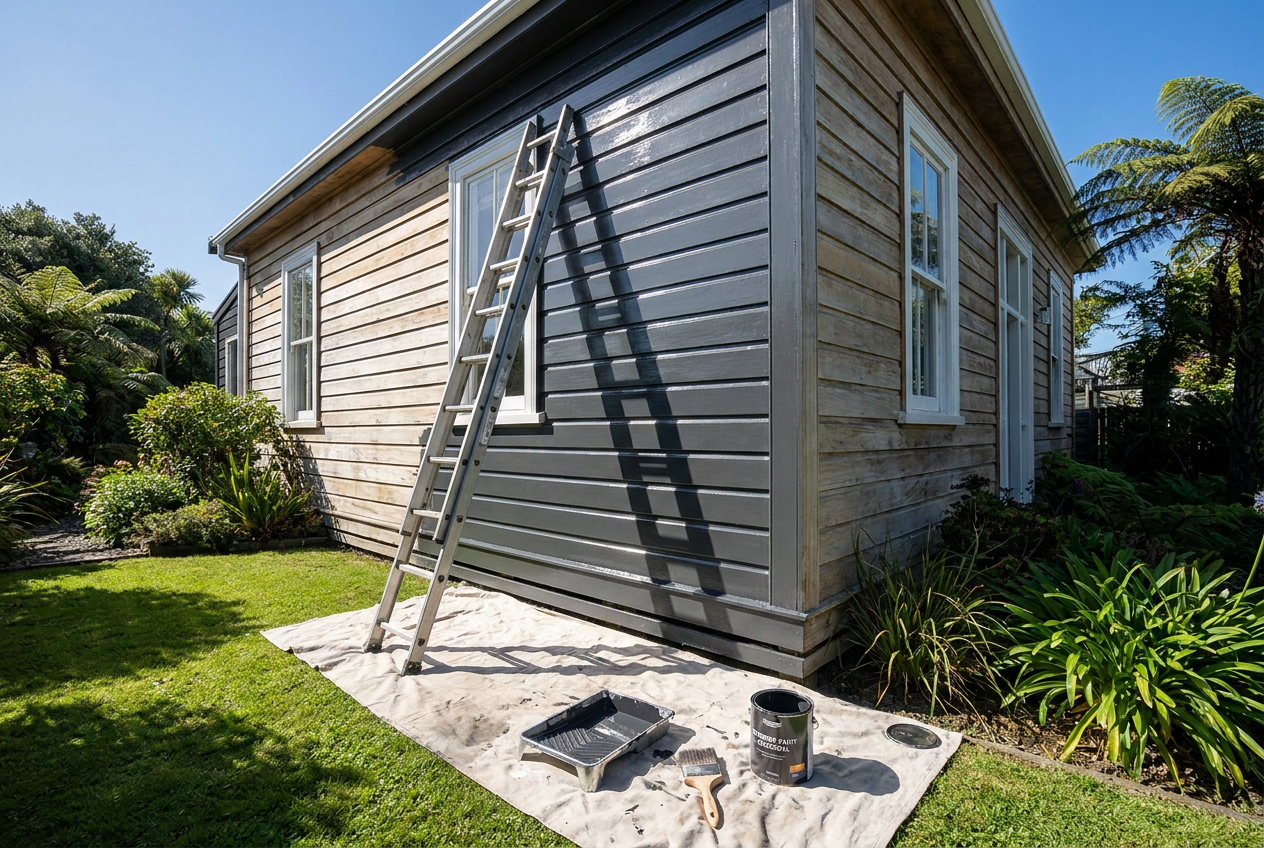
Good exterior painting starts long before the first coat goes on. In Australian conditions, a properly cleaned and prepared surface helps paint stick better, look smoother and last longer through sun, rain, coastal हवा and changing temperatures. Whether your home has weatherboards, fibre cement, brick, rendered walls or Colorbond cladding, the prep work is what makes the finished result worthwhile.
If you are tackling the job yourself, the main goal is simple: remove anything that could stop the paint from bonding, then repair and seal the surface so the new coating has the best chance of performing well. If the work is high, difficult, or involves damage to electrical fittings, gutters or roofing, bring in a licensed professional where required and follow Safe Work Australia guidance for ladders, working at height and PPE.
Start With A Proper Inspection
Walk around the house and look closely at every exterior surface in good daylight. Check for peeling paint, chalky residue, mould, mildew, cracked caulking, soft timber, rusted fixings, loose render and damaged boards. Pay extra attention to south-facing walls, eaves, window surrounds and areas near garden beds or downpipes, as these often hold moisture longer.
It is also worth checking for hidden issues around gutters, flashing, external vents and penetration points. If you find leaks, rot, termite damage or movement in the substrate, those problems need fixing before painting. New paint will not hide structural defects, and in some cases repairs may need a licensed tradie or builder depending on the work and local requirements under the National Construction Code and state rules.
Wash Off Dirt, Mould And Loose Material
Exterior surfaces should be cleaned thoroughly so the new coating adheres properly. For most homes, a garden hose, scrub brush and a bucket of mild detergent is enough for general grime. On mould or mildew, use a suitable exterior wash or mould treatment from Bunnings or Mitre 10, following the label directions carefully.
A pressure washer can speed things up, but it must be used with care. Too much pressure can damage timber, force water behind cladding, or strip old paint in patches. Keep the nozzle moving, use a sensible setting and avoid spraying directly into joins, vents or gaps. If you are unsure, hand washing is often safer on older homes.
After washing, let the surface dry completely. In many parts of Australia that means allowing extra time after wet weather or winter humidity. Painting over damp walls is a common mistake and can lead to blistering or early failure.
Scrape, Sand And Patch Before Painting
Once the surface is clean and dry, remove all loose, flaking or bubbled paint with a scraper. Feather the edges so the repaired area blends in rather than leaving a hard ridge. Light sanding helps smooth out rough patches and gives glossy surfaces a better key for the primer.
Then make repairs:
- Fill small holes and cracks in timber, masonry or render with a suitable exterior filler.
- Caulk gaps around windows, door trims and joints using a flexible exterior sealant.
- Replace or repair rotten timber, rusted sheet metal or cracked render before painting.
- Spot-prime bare timber, repaired patches and metal areas so they are sealed correctly.
For fibre cement and plaster-like surfaces, use compatible products recommended by the manufacturer, such as CSR Gyprock or James Hardie guidance where relevant. On Colorbond or other coated steel surfaces, clean carefully and use the right primer for metal so the finish lasts.
Protect Surroundings And Check The Weather
Preparation is not just about the wall itself. Cover paths, paving, decking, plants, outdoor furniture, air-conditioning units and anything you do not want splattered. Use drop sheets, painter’s tape and plastic carefully so you do not trap moisture against the surface.
Also plan around the weather. Exterior painting is best done in dry conditions with moderate temperatures and low wind. Hot, direct sun can make paint dry too quickly and lead to lap marks or poor flow, while windy or wet conditions can ruin fresh work. Australian climates vary a lot, so check the forecast and work around your local conditions rather than pushing ahead because the weekend is free.
Prime The Surface Before Top Coats
Priming is a crucial part of preparation, especially on bare areas, repaired patches, stained sections and surfaces with mixed materials. A primer or sealer helps even out absorbency and improves adhesion. Popular exterior paint systems from Dulux, Taubmans and British Paints all have product ranges for specific surfaces, so choose the one suited to your home rather than using a general product everywhere.
If the existing coating is sound and only lightly weathered, you may only need spot priming. If the old paint is unstable or the surface is very porous, a full primer or sealer may be needed. Reading the label and following the manufacturer’s instructions matters more than rushing the job.
Quick Prep Checklist
| Task | Why It Matters |
|---|---|
| Inspect for damage | Finds rot, leaks and cracked surfaces before painting |
| Wash the walls | Removes dirt, chalk and mould so paint can bond |
| Scrape and sand | Removes loose paint and smooths rough edges |
| Repair and seal gaps | Helps keep water out and improves the finish |
| Prime bare or repaired areas | Creates an even base for top coats |
| Protect nearby areas | Reduces mess and accidental damage |
For work involving electrical fittings, damaged wiring, gas lines, or plumbing alterations, stop and call a licensed professional. Those trades are restricted in Australia and must be done by the right licence holder.
Once the prep is done, the painting itself becomes much easier and the result will usually look better for longer. If you want to compare options or find more guidance, the same practical approach applies across Australian homes of all ages, from older weatherboards to newer brick veneers. For readers looking beyond Australia, you can also visit Trade Directory NZ.
Ready to get started? If you would rather hand the job to someone experienced, find qualified local painters on Aussie Trade Directory and choose a professional who can prep and paint your home properly.