
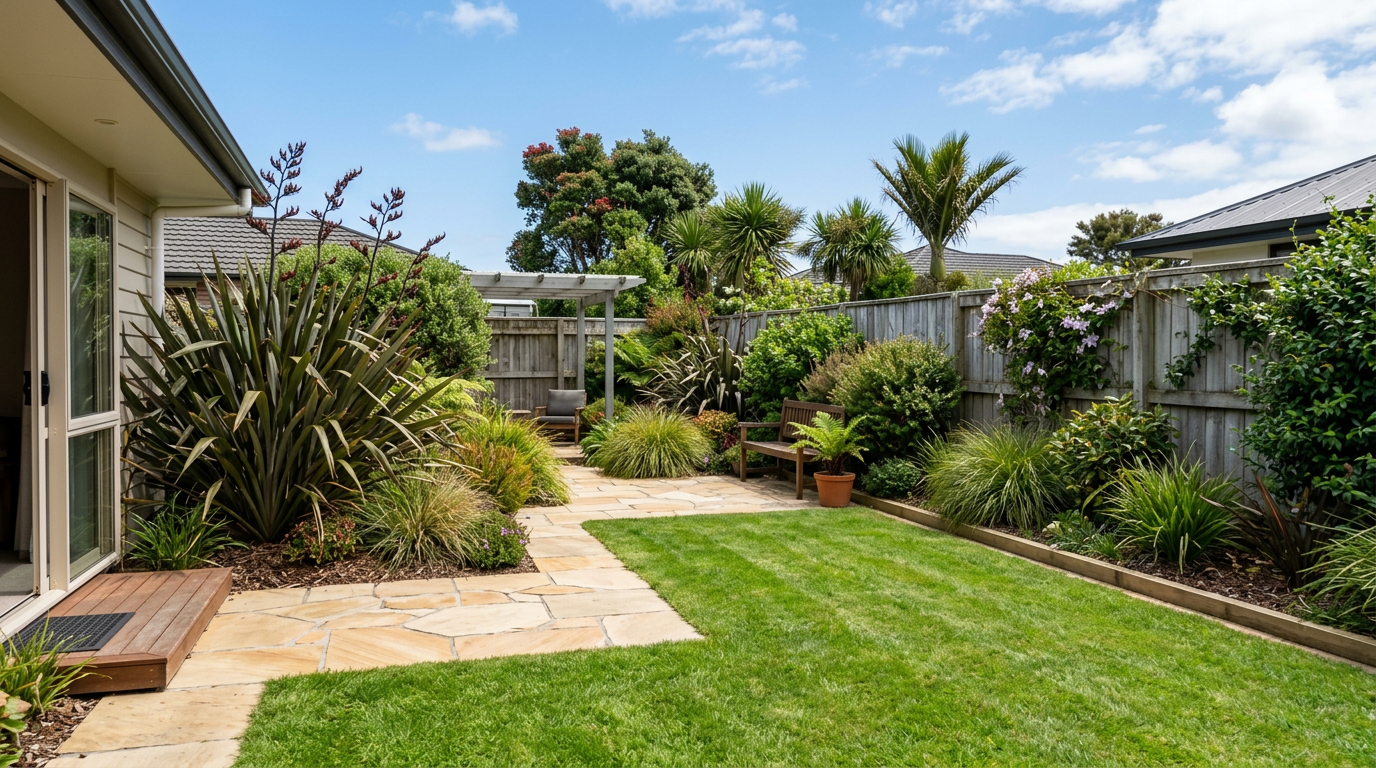
Getting the ground right is the key to a healthy lawn in Australia. Whether you’re laying instant turf or sowing seed, good preparation helps roots establish faster, improves drainage, and reduces weeds, bumps and dry patches later on. The job is mostly about clearing, levelling, improving the soil and watering properly before the new lawn goes down.
Start With A Clean, Bare Site
Begin by removing everything that will stop the turf or seed from making contact with the soil. That means old grass, weeds, stones, sticks, builders’ debris and any leftover mulch. For established lawn, cut it short first, then use a turf cutter, spade or mattock to remove it. If weeds are persistent, you may need to treat them well in advance and follow the product label carefully.
If the area has been used for construction or landscaping, check for buried rubble, clay lumps, and compacted fill. These are common reasons new lawns fail. Rake out any rubbish and break up hard patches so the roots can penetrate.
Check Drainage Before You Go Any Further
Australian lawns need good drainage, especially in heavy clay areas or where water tends to sit after rain. After a decent watering or rainfall, look for puddling. If water pools in the same spots, fix the drainage now rather than after the turf is laid. Depending on the site, that might mean reshaping the ground, improving the soil, or installing proper drainage by a qualified tradesperson.
If you’re dealing with significant drainage or retaining issues, it may involve work that needs a licensed professional. Always check state-based licensing and Fair Trading requirements where relevant, and make sure the work complies with the National Construction Code where applicable.
Level, Shape And Grade The Soil
A lawn should be level enough for mowing and safe walking, but it still needs a slight fall away from buildings to prevent water flowing back towards the house. Use a straight board, level or laser level if you have one. Avoid leaving low spots, as they become puddles, and avoid high ridges that dry out too quickly.
Spread and shape the soil using a shovel, landscape rake and wheelbarrow. For larger areas, it can help to bring in a modest amount of screened topsoil. Finish by lightly compacting the surface with the back of a rake or a roller, then check the levels again. Don’t compact it too hard, because turf roots still need air and space to grow.
Compare Turf Preparation Goals
| Goal | What To Aim For | Why It Matters |
|---|---|---|
| Level surface | Even soil with no obvious bumps or hollows | Makes mowing easier and helps the lawn look tidy |
| Good drainage | Water moves away without pooling | Prevents root rot and patchy growth |
| Fine soil texture | Loose top layer with small clods broken up | Helps roots contact the soil quickly |
| Firm base | Stable ground that doesn’t sink underfoot | Reduces uneven settling after laying |
Improve The Soil For Better Root Growth
Most Australian garden soils benefit from a boost before turf is installed. Sandy soils may need organic matter to hold moisture, while heavy clay often needs gypsum and organic compost to improve structure. A soil test can help you decide what’s needed, but in many home gardens, adding quality topsoil or compost is a practical first step.
Work the improvement material into the top layer, rather than leaving it sitting on top. For lawn seed, create a fine, crumbly finish. For turf, aim for a surface that is firm but not hard, so the sod can root into it. If you’re unsure what to add, Bunnings and Mitre 10 both carry a range of soil conditioners, topsoils and lawn care products suited to local conditions.
Before laying, apply a starter fertiliser if it suits the turf type and follow the manufacturer’s directions. Water the area lightly so the soil is damp, not soggy. This helps the turf settle and reduces heat stress, especially in warm weather.
Lay Turf Or Sow Seed At The Right Time
In many parts of Australia, turf establishes best in mild weather, but the exact timing depends on your climate zone and lawn variety. Warm-season grasses such as buffalo, couch and kikuyu are common in many Australian gardens, while cool-season varieties suit some cooler regions. Match the grass type to your local conditions, sun exposure and how much wear the lawn will get.
For instant turf, lay the strips tightly together in a staggered pattern, like brickwork, and press them down so there are no air gaps. For seed, spread it evenly, rake it in lightly, and keep the top layer consistently moist until germination. Protect both from foot traffic while they establish.
Common Mistakes To Avoid
- Laying turf over weeds, rubble or compacted fill
- Skipping drainage checks in low-lying areas
- Leaving the surface uneven or full of hollows
- Using too much fertiliser or the wrong product for the grass type
- Letting the soil dry out completely in the first few weeks
- Walking on the new lawn before the roots have settled
For larger projects, working on slopes, or sites with poor soil, it can be worth bringing in a qualified landscaper to do the groundwork properly. Safe Work Australia guidance also applies to using machinery, lifting turf rolls and handling chemicals safely, so wear appropriate gloves, sturdy footwear and eye protection.
If you’re comparing ideas or planning a bigger outdoor project, it can also help to look at resources from Trade Directory NZ.
Ready to get your lawn off to the best start? Find experienced local landscapers on Aussie Trade Directory and get the ground prepared properly before you lay turf or seed.