
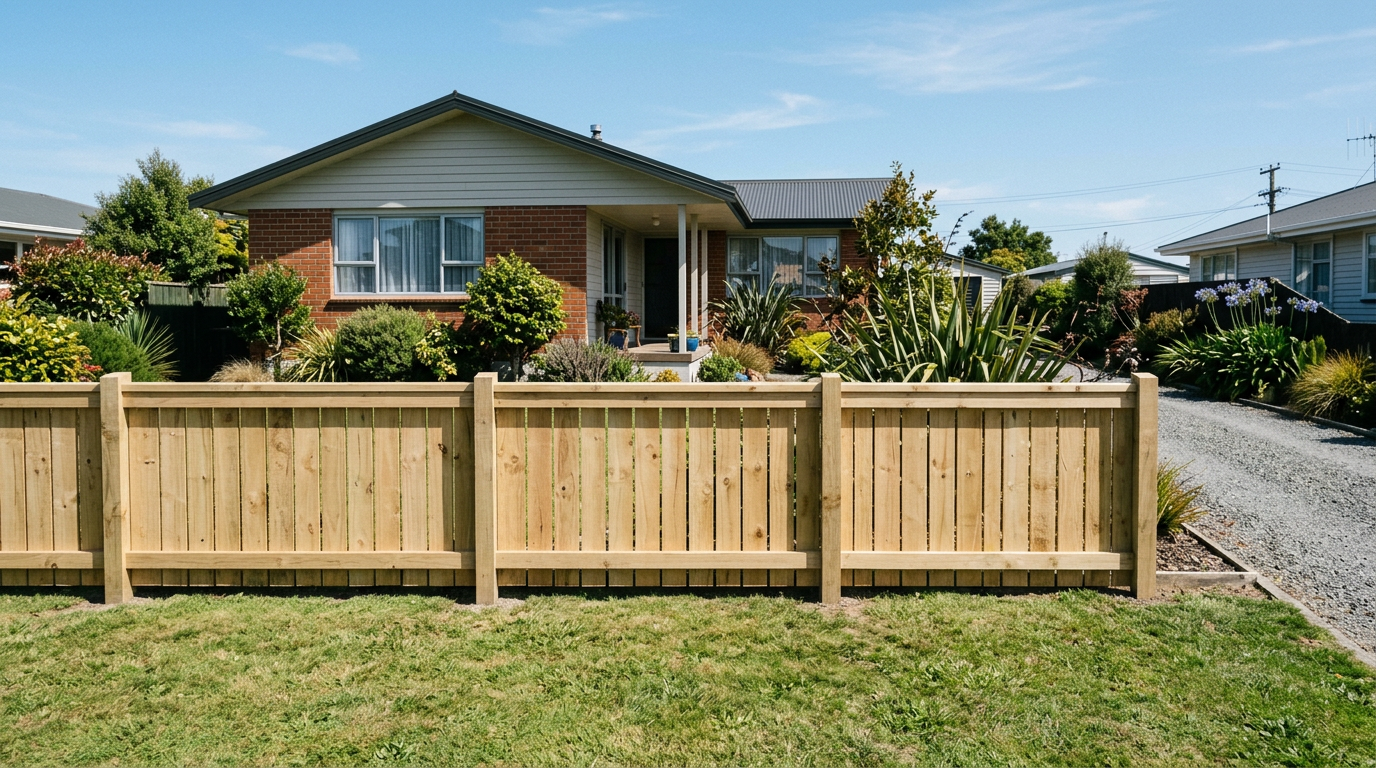
Getting your property ready before the fencer arrives can save time, reduce mistakes and help the job run smoothly. Whether you are replacing old boundary fencing, adding side access gates or installing a new Colorbond fence, a little preparation goes a long way. For Australian homeowners, the key is to make the site clear, confirm the boundary and flag any access or safety issues before the first post goes in.
Confirm The Fence Line Before Work Starts
The most important step is knowing exactly where the fence should go. If there is any doubt about the boundary, check your title documents or existing plans before work begins. If the boundary is uncertain or there is a dispute with a neighbour, it is wise to sort that out early rather than after posts are set in concrete.
If a survey is needed, arrange it before the fencer starts. A fencer can build to the line you provide, but they generally should not be the ones determining legal boundaries. This is especially important where the new fence meets driveways, retaining walls, pools or shared side access areas.
Talk To Neighbours Early
Even when the fence is fully on your land, it is still worth letting nearby neighbours know about the planned works. Good communication can help avoid confusion about access, temporary noise and where materials will be stored. If the project affects a shared boundary, it is even more important to agree on the scope, style and timing before the crew arrives.
Clear The Work Area
Fence installation needs room to move. A clean, unobstructed site helps the fencer work safely and prevents damage to your belongings. Walk the fence line and remove anything that could get in the way.
- Move pot plants, garden ornaments and outdoor furniture away from the fence line.
- Trim back overgrown shrubs, creepers and low branches.
- Remove toys, bins, tools and garden hoses from the work zone.
- Unlock side gates and make sure crews can access the area easily.
If you have established gardens close to the boundary, consider how the work might affect roots, sprinklers or edging. For delicate plants, ask your fencer whether temporary protection is needed. In hot Australian conditions, also think about providing access to shade or water for workers where appropriate.
Check For Hidden Services And Hazards
Before any digging or post hole work begins, identify what is underground and what runs along the fence line. This includes water lines, stormwater pipes, irrigation, power, data cables and gas services. In Australia, service location is a serious safety issue, and damage can be costly and dangerous.
If you are unsure, use the relevant underground service locating process before work starts. Also look for overhead hazards such as low power lines, tree limbs or clotheslines that may interfere with fencing equipment.
Any electrical, gas or certain plumbing work associated with the project must be carried out by a licensed professional in line with Australian requirements and state-based licensing rules.
Prepare Access For Trades And Materials
A fencer often needs a clear path for tools, posts, panels and concrete. If access is tight, let them know in advance so they can plan accordingly. This may mean opening a driveway, moving a trailer, or keeping pets and vehicles out of the way during installation.
If your fence is going in a backyard with limited side access, measure gate openings and note any steps, slopes or narrow passages. Uneven ground is common in Australian suburbs and regional blocks, so it helps if the fencer knows about retaining walls, steep runs or soft soil before arrival.
| Preparation Task | Why It Helps | Who Should Handle It |
|---|---|---|
| Confirm the boundary | Prevents disputes and avoids a fence being installed in the wrong place | Homeowner, surveyor if needed |
| Clear the fence line | Improves access and reduces the risk of damage | Homeowner |
| Locate services | Protects against hitting pipes, cables or gas lines | Homeowner with the right service checks |
| Arrange licensed work | Keeps electrical, gas and regulated plumbing work compliant | Licensed tradesperson |
Sort Out Fence Details Before Installation Day
Before the crew arrives, decide on the practical details of the job. Confirm the fence style, height, gate locations, latch direction and any privacy extras such as slats or screening. If you are choosing materials, popular Australian options include Colorbond steel, treated timber and fibre cement products from brands such as James Hardie or CSR Gyprock for related boundary finishes. Paint or stain choices from Dulux, Taubmans or British Paints may also matter if the fence will be finished on site.
It is also a good idea to think about maintenance from day one. Timber fences may need sealing or painting, while steel fencing may be lower maintenance but still benefits from regular checks for damage, corrosion or shifting posts. If the fence will meet an existing wall, shed or patio cover, make sure the transition points are discussed with the fencer before work starts.
Check Local Rules And Approvals
Depending on the fence height, design and location, there may be rules under the National Construction Code and state or territory requirements. Some projects may need approval or have restrictions if they are close to a driveway, street frontage, pool area or easement. Your fencer may be familiar with common requirements, but it is still the homeowner’s responsibility to make sure the project complies.
If you are unsure, contact your state’s building or Fair Trading body for guidance. A reputable fencer will be happy to work with you on a compliant design rather than risk a costly rework later.
A Quick Homeowner Checklist
- Confirm the boundary and settle any neighbour issues early.
- Clear plants, furniture, bins and garden items from the fence line.
- Check for underground and overhead services.
- Arrange access for the crew, tools and materials.
- Decide on fence style, gates, finishes and any extras.
- Make sure any regulated work is completed by a licensed professional.
With the right preparation, fence installation is usually much smoother and less stressful. You will help the fencer work efficiently, protect your property and set the project up for a better result. If you are also planning related home improvements, you can find useful tradie connections through Trade Directory NZ.
Ready to get started? Find qualified local fencers on Aussie Trade Directory and connect with a professional who can help you plan and install the right fence for your home.