
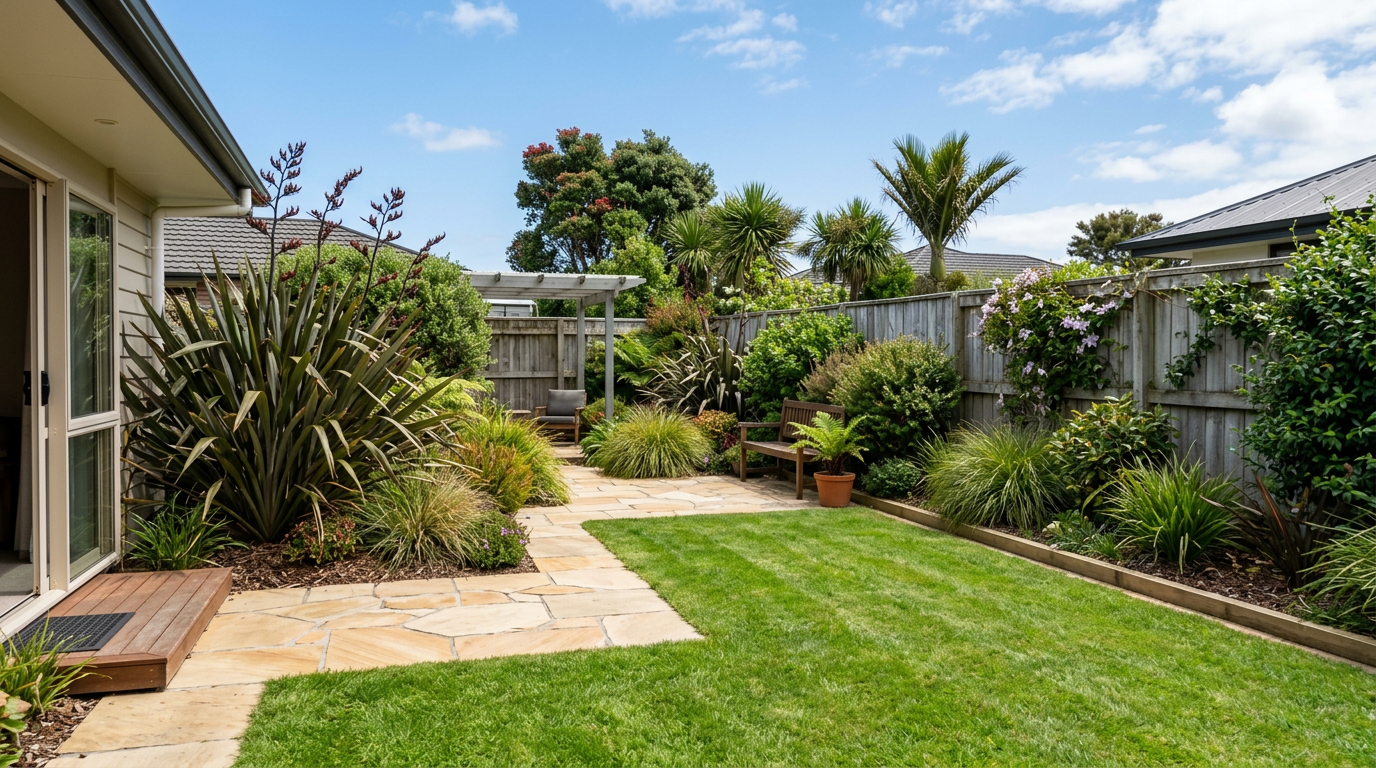
Bringing in a landscaper is one of the best ways to transform your outdoor space, but a smooth project starts before the first shovel hits the soil. A bit of preparation helps your landscaper work safely, quote accurately and get on with the job without avoidable delays. It can also protect your home, your neighbours and any existing plants or structures you want to keep.
Whether you’re planning a new garden bed, paving, retaining walls, turf, irrigation or a full backyard makeover, these practical steps will help you get your property ready.
Start With A Clear Plan For The Job
Before anyone arrives, work out what you want the landscaper to do and what you want to keep. Walk around the yard and note the features that matter to you, such as existing trees, a veggie patch, pavers, a shed, clothesline, play equipment or a pool area. If you have photos of styles you like, share them early so the landscaper understands the look you’re after.
It also helps to be realistic about how the space is used. A family yard with pets and kids will need different choices to a low-maintenance front garden. Think about drainage, shade, privacy, access to the house and how much upkeep you’re happy to do later.
- List your must-haves and nice-to-haves.
- Mark anything that should not be disturbed.
- Decide whether you want the whole yard done at once or in stages.
- Be clear about finish preferences, such as natural stone, exposed aggregate, turf or native planting.
Make The Site Safe And Easy To Access
Landscaping often involves moving materials, tools and machinery through side paths, driveways or gates, so clear access is important. Move cars, bikes, bins, furniture, toys, pot plants and hoses out of the way. If the team needs to use a side entrance, unlock gates and make sure the path is wide enough and free from trip hazards.
Trim back low branches or overgrown plants if they are blocking access, but avoid major pruning unless you’ve confirmed it is part of the landscaper’s scope. If there are dogs on the property, organise a safe area away from the work zone. Children should be kept well clear of machinery, sharp tools and open trenches.
If you have overhead power lines, buried services, older drainage, irrigation or invisible fencing, point these out before work begins. In Australia, some services can be located through the relevant before-you-dig process, and any electrical, gas or certain plumbing work must be handled by a licensed professional.
Check What Needs To Be Fixed Before Landscaping Starts
Landscapers are great at creating outdoor spaces, but they may not be the right trade for every underlying issue. If the job involves broken paving, unstable retaining structures, poor drainage, rotten timber, faulty taps or damaged lighting, ask whether these need to be repaired first by the relevant licensed tradie.
It’s also worth checking the condition of nearby walls, fences, decks and paths. A new landscape design can put extra pressure on old structures, especially where soil is being regraded, pavers are being lifted or heavy materials are coming in. In some cases, the right order is to fix the base problems first and then proceed with the landscaping.
| Task | Usually Helpful To Do Beforehand | May Need A Licensed Tradesperson |
|---|---|---|
| Clearing access and moving items | Yes | No |
| Removing plants or light garden features | Often | No |
| Electrical work for lights or pumps | No | Yes |
| Gas connections for outdoor appliances | No | Yes |
| Plumbing, drainage and water connections | Sometimes | Yes for restricted work |
Protect Your Home, Neighbours And Existing Surfaces
Landscaping can be dusty, muddy and noisy, so a bit of protection goes a long way. Close windows and doors during heavy work, especially if there is excavation, cutting or concrete mixing. If needed, cover sensitive surfaces such as polished paving, timber decks or painted walls with suitable protection agreed with the landscaper.
Let neighbours know if trucks, generators or skip bins may affect access or parking. Good communication can prevent disputes, especially in tight suburban blocks where materials and machinery need to be moved carefully. If you live in a townhouse or strata-managed property, check any body corporate or owners corporation rules before the work begins.
If you’re keeping established plants, label them or discuss them on site so there is no confusion. The same goes for irrigation lines, outdoor power points, tap locations and downpipes. A quick walkthrough with the landscaper before the job starts can save time later.
Prepare For The Practical Side Of The Project
Ask your landscaper what they need from you on day one. Some will want water access, a place to park, clear entry times, or confirmation of where spoil can be stockpiled. Others may need you to move pets, check gate codes or approve the layout before work begins.
It is smart to have any plans, approvals or design documents ready if they are part of the job. For more involved projects, make sure the proposed work aligns with the National Construction Code and any state or territory requirements that apply. If the project includes structural elements such as retaining walls, drainage or features near boundaries, ask the landscaper how they handle compliance and whether another licensed or qualified trade is needed.
During the job, try to keep communication simple and regular. If you want a change, raise it early rather than waiting until the work is nearly finished. That helps avoid rework and keeps the project moving.
Final Checks Before The Team Arrives
On the day before the work starts, do one last walk-through of the property. Confirm access, remove valuables, put away fragile items and make sure the landscaper knows where to park and where to work. If you have pets or children, plan their routines around the site.
For larger jobs, ask how waste will be managed, where deliveries will go and whether there is anything you should not touch once work begins. A tidy, well-prepared site lets the landscaper focus on the job instead of chasing missing information.
If you are comparing outdoor service options more broadly, it can also help to look at resources like Building or renovating across the Tasman? Our sister site Trade Directory NZ covers the same topics for New Zealand homeowners.