
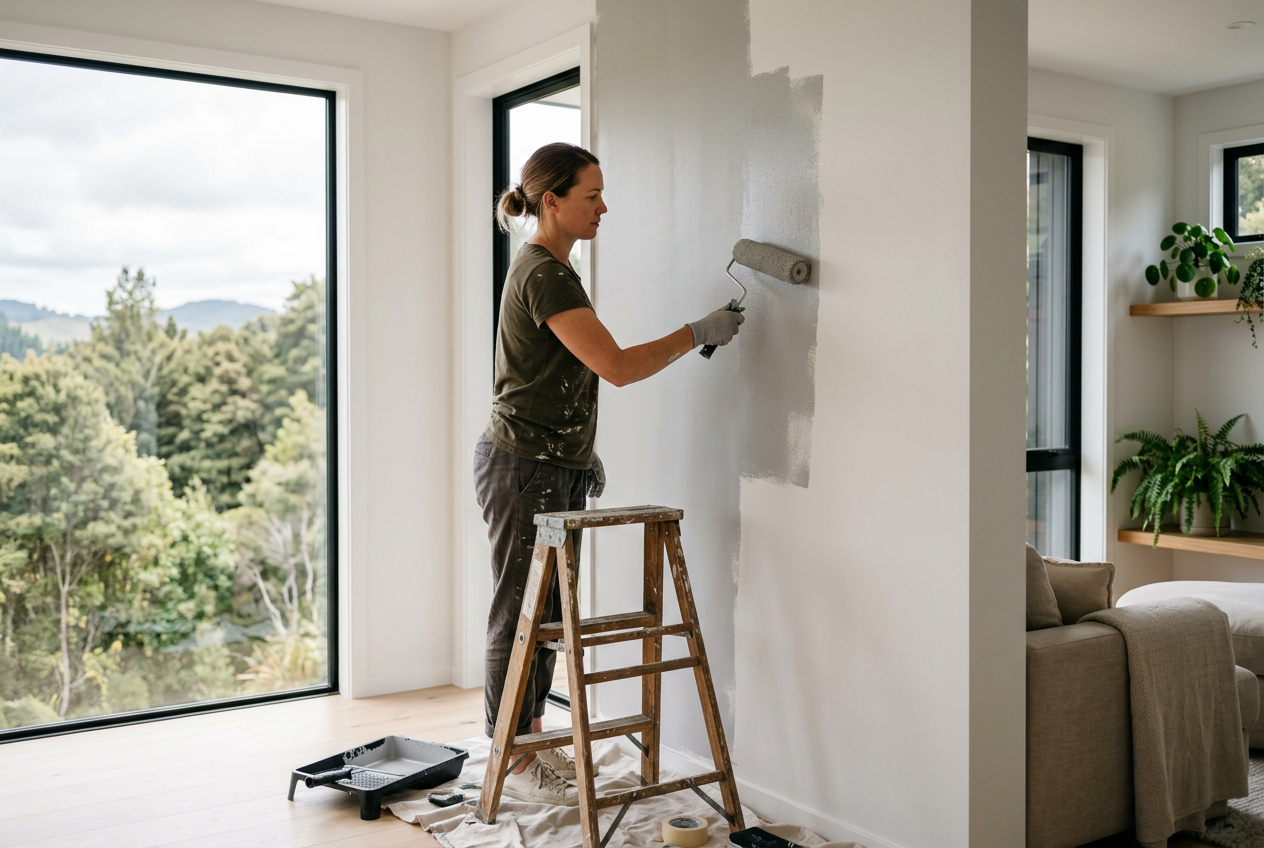
Getting your home ready before a roof painter arrives can make the job safer, faster and neater. A little preparation also helps the painter inspect the roof properly, protect your property and deliver a better finish. Whether you have terracotta tiles, concrete tiles or a Colorbond roof, the basics are largely the same across Australian homes.
Before any painting starts, it is worth remembering that roof work can be dangerous. Safe access, stable ladders and fall protection matter on every job. If there are repairs needed to the roof structure, flashing, electrical fittings or plumbing penetrations, those tasks may need licensed tradespeople. Electrical work and gas work must always be done by the relevant licensed professional, and plumbing work should also be handled by a licensed plumber where required.
Start With a Clear Roof Inspection
A good roof painter will usually want to inspect the roof before quoting or starting work. You can help by making access simple and by noting any obvious issues you have seen, such as cracked tiles, rust spots, peeling coatings, blocked gutters or leaks after heavy rain. Australian roofs cop a lot of harsh sun, storm weather and wind, so small problems can quickly become bigger ones.
If your home has visible damage to tiles, ridge capping, bedding, pointing or metal sheeting, mention it early. A painter may be able to advise on surface preparation, but structural repairs are not part of a standard paint job. It is often best to separate repair work from coating work so the roof is sound before paint goes on.
Clear Access Around the House
Roof painters need good access all around the building, not just to the roof itself. Move vehicles away from the driveway, garage door and work zones so ladders, hoses and equipment can be set up safely. If you have a tight side path, trim back overgrown plants or vines that could obstruct access.
It also helps to clear away outdoor furniture, pot plants, kids’ bikes, barbecues and any fragile items near the walls of the house. Painters often need room to move ladders and may be working with wash water, dust and paint mist. For homes with solar panels, skylights or satellite dishes, point these out so the painter can plan around them.
Protect the Outside and Inside of Your Home
Even with careful preparation, roof painting can create dust, debris and splashes. Close windows and doors before work starts, and make sure pets are kept safely inside or away from the work area. If you have an outdoor laundry, pergola, shade sail or furniture under the roofline, it may need covering or moving.
If you store valuables in the roof space, such as boxes or seasonal items, check whether the painter expects to access that area. Most roof painting is done from outside, but some jobs involve inspection of the roof cavity for leaks or staining. Keep ceilings and internal access points clear in case the painter needs to check for moisture damage.
Check the Roof Surface Is Ready for Painting
The roof needs to be clean, dry and in suitable condition before coating. Some roof painters will do the cleaning themselves, while others expect the homeowner to handle simple prep items first. Ask in advance so there are no surprises. In many cases, the painter will need to remove moss, lichen, dirt and loose coating, then allow the roof to dry properly before priming or painting.
For homes with tiled roofs, damaged pointing or loose ridge caps should be fixed before painting. For metal roofs, rust must be treated and any loose screws or lifted sheets dealt with first. If your roof has a history of leaks, have the source identified and repaired by the right licensed trade before painting begins. Painting over leaks is only a temporary cover-up.
What To Organise Before The Painter Arrives
| Task | Why It Helps | Who Usually Does It |
|---|---|---|
| Move vehicles and outdoor items | Creates safe access for ladders and equipment | Homeowner |
| Trim back overhanging branches | Improves access and reduces debris | Homeowner or gardener |
| Repair roof damage | Ensures the surface is sound before painting | Licensed roofer or relevant trade |
| Check electrical, gas and plumbing penetrations | Stops unsafe or non-compliant work | Licensed professional |
| Confirm cleaning and prep responsibilities | Prevents delays and double handling | Homeowner and painter |
Talk Through Timing, Weather and Product Choices
Australian weather can change quickly, so timing matters. A roof painter will usually look for dry conditions with suitable temperatures and low wind. Summer heat, sudden showers and coastal humidity can all affect the coating process and drying times. Be flexible if the weather turns, because rushing a roof job can lead to poor adhesion or an uneven finish.
It is also smart to ask what coating system the painter uses and whether it is suitable for your roof type. Trusted paint brands such as Dulux, Taubmans and British Paints are commonly used on Australian homes, but the right product still depends on the roof material, existing coating and local conditions. A professional painter should explain the prep steps, primers and topcoats they recommend.
Final Checks Before Work Starts
On the day, do a last walk-around to make sure gates are unlocked, pets are secured and the roof area is clear. Let the painter know about any hidden issues, such as previous leaks, loose internal ceiling stains or a recently repaired section. If you have a metal roof made from Colorbond or similar coated steel, mention any areas where the finish has faded or chipped so they can assess the right treatment.
If your home is part of a larger maintenance plan, roof painting is often a good time to check gutters, fascia boards and sealants too. Many Australian homeowners combine roof painting with general exterior upkeep to get the best result from one visit.
For more home prep and trade guidance, you can also visit Trade Directory NZ.
When you are ready, find a qualified local painter through Aussie Trade Directory and compare trusted local painters in your area.