
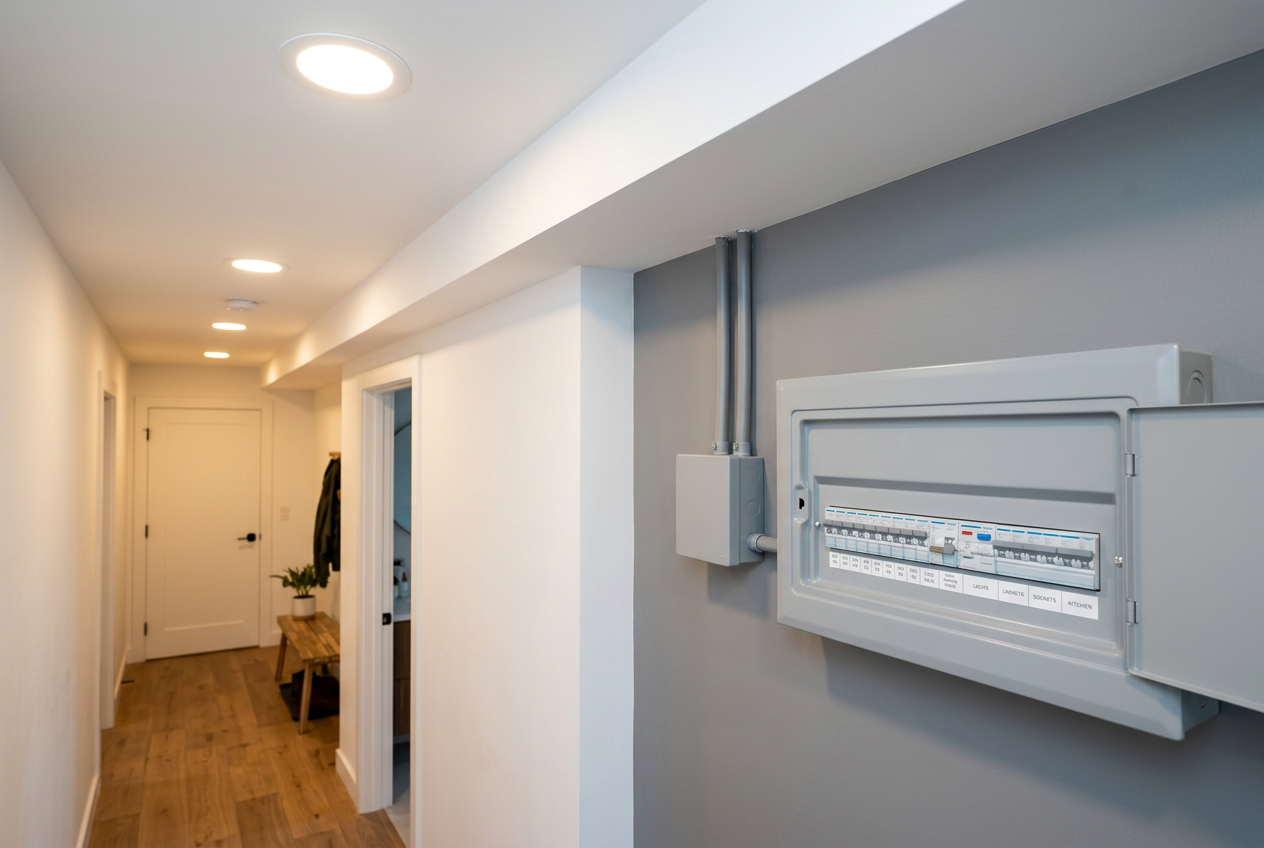
Getting a licensed electrician to your home is much easier when the space is ready before they arrive. A bit of preparation can help the job run smoothly, reduce delays and make it easier for the electrician to get started straight away. It also helps keep everyone safe, especially when electrical work is being done around live circuits, switchboards and ceiling spaces.
In Australia, electrical work must be carried out by a licensed professional. If the job involves wiring, switchboards, power points, lights or fixed appliances, don’t attempt it yourself. Electrical safety is taken seriously for good reason, and state-based licensing bodies and Fair Trading agencies expect homeowners to use qualified tradespeople for restricted work.
Start With A Clear Scope Of Work
Before the electrician arrives, have a good idea of what you want done. Whether you’re replacing light fittings, adding new power points, fault-finding an outage or preparing for a renovation, write down the issue or the changes you want. The clearer you are, the easier it is for the electrician to plan the visit and bring the right tools and materials.
If possible, note:
- which rooms or areas are affected
- when the problem started
- whether the issue is constant or comes and goes
- any recent renovations, leaks or storm damage
- what appliances or lights stopped working
This is especially useful in Australian homes where weather can affect electrics. Summer storms, coastal moisture, heat and roof-space dust can all contribute to electrical problems, particularly in older properties or homes with ageing fittings.
Make The Work Areas Easy To Access
Electricians need safe access to switchboards, ceiling spaces, wall cavities, outdoor units and the rooms where the work is being done. Clear furniture away from walls where power points or switches are located, and move fragile items out of the way. If the electrician needs access to the roof space, make sure the manhole is reachable and the area below is clear.
For outdoor jobs, trim back overgrown plants and make pathways easy to walk through. In many Australian homes, external fittings are exposed to harsh sun, heavy rain and wind, so keep access around outdoor lights, meter boxes and air-conditioning isolators unobstructed.
If there are pets, keep them secured in another room or outside in a safe area. This helps avoid stress for the animal and makes it easier for the electrician to move through the property without interruptions.
Switch Off What You Can And Flag Any Hazards
Do not tamper with wiring or remove fittings yourself, but it is helpful to switch off appliances and equipment that are not needed during the job. If a circuit is known to be faulty, leave it alone and tell the electrician about it when they arrive.
It also helps to point out anything that could create a hazard, such as:
- water leaks near ceilings, walls or power points
- burn marks on switches or outlets
- tripping breakers or frequent power loss
- older meter panels or switchboards
- recent drilling, renovations or wall damage
Water and electricity are a dangerous mix, so mention any moisture issues straight away. If your home has had storm damage, roof leaks or flooding, a licensed electrician should inspect affected areas before power is restored or reused.
Check Access To The Switchboard And Meter Box
Your electrician may need to isolate power, inspect circuits or check the switchboard. Make sure the switchboard and meter box are easy to reach and not blocked by storage, bikes, gardening gear or renovation materials. If the panel is outside, ensure the area is well lit and safe to access.
If you’re in the middle of a renovation, keep in mind that other trades may be using the same space. Coordinating with a builder, plasterer or painter can save time and avoid damage. For example, if you’re using Gyprock or CSR products indoors, or working with James Hardie cladding or Colorbond roofing on the exterior, let the electrician know what stage the project is at so they can plan cable routes and access.
Have The Right Information Ready
It can save time to gather a few details before the appointment. You don’t need to overprepare, but the following information can help:
| Useful Detail | Why It Helps |
|---|---|
| Type of property | Helps the electrician understand the layout and likely access points |
| Age of the home | Older homes may have outdated wiring or fittings |
| Existing issues | Gives clues about faults, overloads or damaged components |
| Photos of the problem | Useful if the issue is intermittent or hard to describe |
| Previous work done | Helpful for renovations, extensions or recent repairs |
If you’ve had work done by another trade, mention it. Even jobs involving painting with Dulux, Taubmans or British Paints can matter if switches, ceiling roses or light fittings were masked, removed or painted over during the process.
What Not To Do Before The Electrician Arrives
There are a few things best left alone. Don’t open the switchboard, pull apart fittings, test wiring, or try to “fix” a circuit with DIY methods. Electrical work is not a safe place to experiment, and unauthorised work can create serious risks and may not meet the National Construction Code or local compliance requirements.
Also avoid:
- covering vents or ceiling access points with storage
- painting over fittings or switches
- moving solar equipment or battery components yourself
- using damaged power boards or extension leads during the job
- standing ladders on unstable ground if you’re trying to “check” anything yourself
If your home has solar, battery storage or an EV charger, tell the electrician in advance. These systems can involve specialised equipment and safe isolation procedures.
Make The Visit Easier For Everyone
On the day, make sure someone is home unless the electrician has agreed to access arrangements in advance. Keep your phone handy, especially if the electrician needs to confirm details or raise unexpected issues once they inspect the job.
A good rule of thumb is to treat the appointment like any other professional trade visit: clear the work zone, share key information, and leave the technical work to the licensed expert. That approach helps the electrician work efficiently and gives you better results.
If you’re comparing trades, it can also help to get quotes or advice from more than one qualified professional for larger jobs, such as switchboard upgrades, rewiring or renovation electrical plans. For homeowners wanting to keep learning about trades across the Tasman, there’s also Trade Directory NZ.
Ready to get your home prepared and the job done properly? Find a qualified local electrician on Aussie Trade Directory and connect with local electricians.