
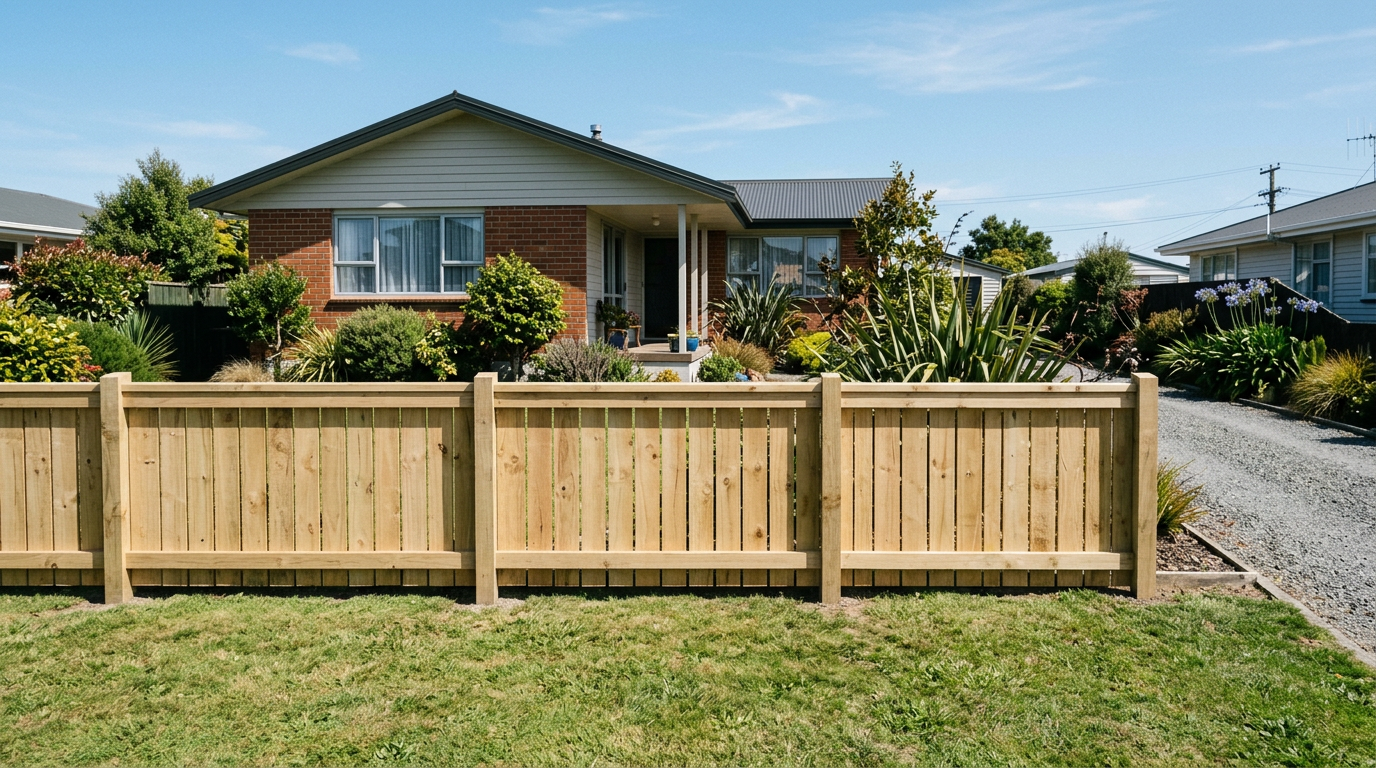
If you’re comparing fence styles for an Aussie home, the terms paling, palisade and post and rail can be confusing. They all use posts and rails in some way, but they create very different looks, levels of privacy and performance. The right choice depends on whether you want screening, security, a rural feel, or a simple boundary fence that suits your block and climate.
In plain terms, a paling fence is usually a solid timber fence with vertical boards close together. A palisade fence is often a more robust, vertical paling-style fence, commonly associated with a strong, upright appearance and improved security. A post and rail fence uses horizontal rails between posts and is generally more open, often used for rural, acreage or decorative boundaries.
What Is A Paling Fence?
A paling fence is one of the most common residential fencing styles in Australia. It’s typically made from timber palings fixed vertically to horizontal rails, with the boards overlapping or butting closely together to reduce gaps. That makes it a practical choice for privacy, neighbour screening and everyday suburban backyards.
Timber paling fences are often chosen because they’re familiar, fairly straightforward to install, and can suit many homes. They can be built from treated pine, which is widely available at Bunnings and Mitre 10, and then finished with a stain or paint from brands such as Dulux, Taubmans or British Paints if you want to improve appearance and weather resistance.
In Australian conditions, timber paling fences need regular checking for movement, moisture damage and loose nails or screws. Hot sun, summer storms and wet winters can all shorten the life of untreated or poorly maintained timber.
What Is A Palisade Fence?
In Australia, the word palisade is often used for a vertical, heavy-duty fence style that looks similar to a paling fence but is generally stronger, more upright and more security-focused. Depending on the material and design, a palisade fence can be timber or steel, and it’s often used where a tougher visual barrier is wanted.
A palisade-style fence usually looks more imposing than a standard suburban paling fence. The vertical slats are commonly taller and more closely spaced, which can help with privacy and deter climbing. This makes it a useful option for front boundaries, side access points and properties that need a more robust perimeter.
Because palisade fencing can be built in heavier materials and more complex configurations, it may cost more than a basic paling fence and can require more careful installation. If it includes steel components, it may pair well with other low-maintenance products such as Colorbond or BlueScope materials elsewhere on the property.
What Is A Post And Rail Fence?
A post and rail fence is a different style altogether. Instead of close-set vertical boards, it uses upright posts connected by horizontal rails. It is usually much more open than paling or palisade fencing, so it’s not ideal if your main goal is privacy.
This style is common on acreage, hobby farms, rural driveways and larger blocks where you want to define a boundary without blocking views. It can also be used for decorative edging or to keep pets and stock within a certain area, depending on the design and materials chosen.
Post and rail fences can be built from timber or metal. In exposed areas, material choice matters because of sun, wind and moisture. For a lower-maintenance look, many homeowners consider treated timber, steel posts or other durable systems suited to the National Construction Code and local site conditions.
Key Differences At A Glance
| Fence Type | Look | Privacy | Typical Use |
|---|---|---|---|
| Paling | Solid vertical timber boards | High | Suburban boundaries, privacy screening |
| Palisade | Heavier vertical fence with a stronger, more defensive feel | Moderate to high | Security, front fencing, stronger boundary definition |
| Post and rail | Open posts with horizontal rails | Low | Rural fencing, acreage, decorative boundaries |
How To Choose The Right Style
- Choose paling if privacy, neighbour screening and a familiar suburban look are your priorities.
- Choose palisade if you want a tougher, more secure appearance with a stronger visual boundary.
- Choose post and rail if you want an open, rural-style fence that marks boundaries without closing in the space.
Also think about maintenance. Timber fencing can look great but needs regular upkeep, especially in coastal, high-rainfall or high-UV parts of Australia. Steel options may suit homeowners who want less ongoing painting or staining, though they still need proper fixing, drainage and site preparation.
Installation, Rules And Safety
Fence work is not usually a licensed building task in the same way as electrical or gas work, but requirements can vary by state and by the type of fence. Check with your local state or territory Fair Trading or building regulator before starting, especially if the fence is on or near a boundary, retaining walls are involved, or the design affects drainage or visibility near driveways.
If your project includes services such as electrical gates, lighting, automated openers or nearby utility work, those parts must be handled by a licensed professional where required. Always follow Safe Work Australia guidance for safe handling of tools, dust, digging, treated timber and manual lifting.
Good installation matters. Posts need to be set correctly, rails should be straight and secure, and timber should be protected from direct ground contact where possible. In many Australian yards, poor drainage is a bigger problem than the fence material itself.
If you’re comparing fence types for a new build or renovation, it helps to match the style to your home, climate and maintenance tolerance. A well-built paling fence can be ideal for privacy, a palisade can add strength and presence, and a post and rail fence can suit larger, more open properties.
For more ideas and local service coverage, you can also browse Trade Directory NZ.
Need help choosing the right fence and getting it built properly? Find experienced local fencers on Aussie Trade Directory and connect with a qualified professional near you.