
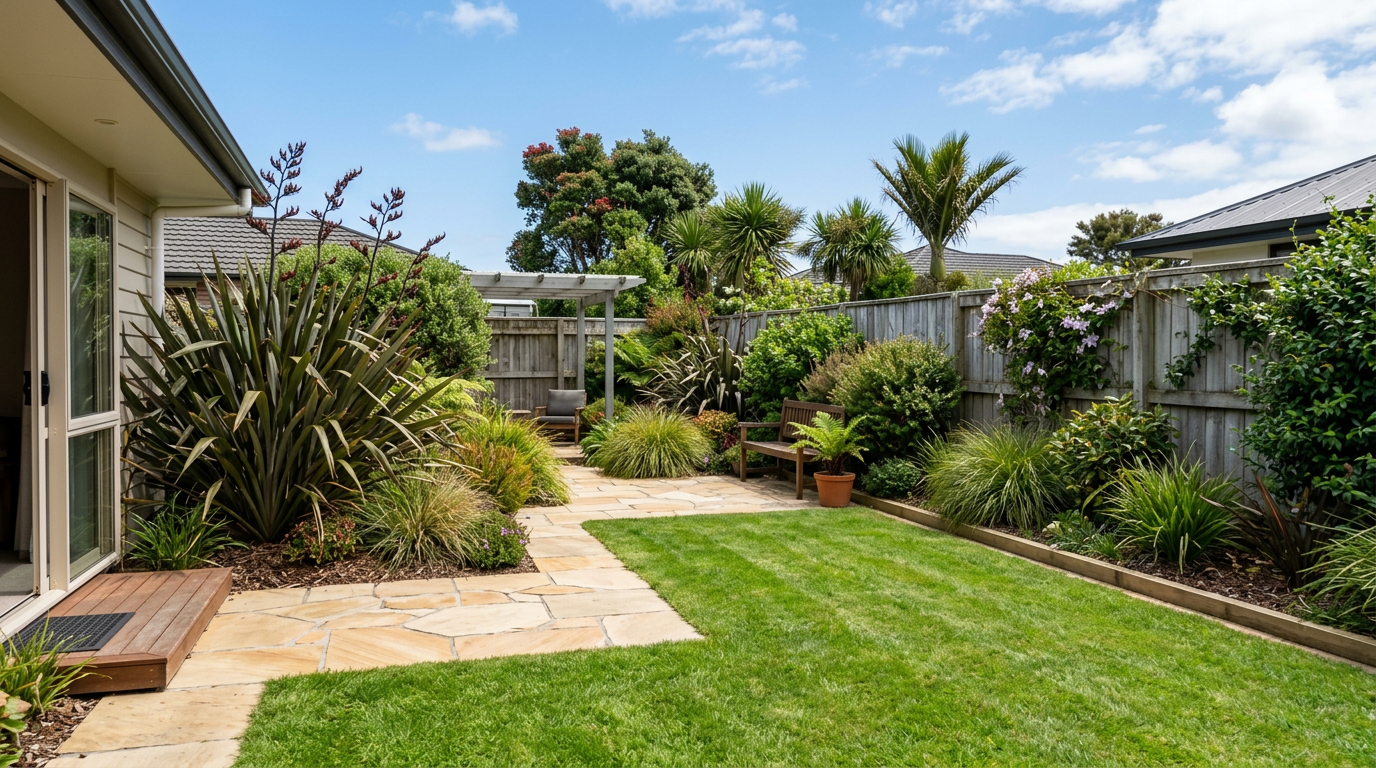
Hiring a landscaper is a big decision. A good one can turn a tired backyard into a practical, attractive outdoor space that suits your home and lifestyle. The wrong one can leave you with delays, unexpected extras, poor workmanship, or a finish that does not hold up in Australia’s tough climate.
Before you commit, ask the right questions. A careful conversation at the start can help you compare quotes properly, understand who is doing the work, and make sure the job meets Australian standards and any local requirements.
Why The First Conversation Matters
Landscaping is more than laying turf or planting a few shrubs. Depending on the job, it may involve drainage, retaining walls, paving, irrigation, concreting, fencing, lighting, and site preparation. Some parts of the work may need licensed trades, such as electrical work for garden lighting or certain plumbing tasks for irrigation and drainage.
It is also worth remembering that outdoor materials must suit local conditions. Coastal homes may need corrosion-resistant fixtures and products such as Colorbond or BlueScope steel, while hot and dry areas need planting and irrigation choices that can cope with heat and water restrictions. A professional landscaper should understand how to design for the local environment, not just how to make the yard look good on day one.
Questions To Ask Before You Hire
Use the questions below as a practical checklist when speaking with any landscaper.
| Question | Why It Matters |
|---|---|
| What type of landscaping work do you specialise in? | Some landscapers focus on design, others on hardscaping, planting, or full outdoor renovations. |
| Have you done similar projects in homes like mine? | Shows whether they understand your block size, soil type, slope, and climate. |
| Are you licensed and insured for the work you will do? | Protects you and confirms they can legally perform any restricted work. |
| Who will actually be on site? | Helps you know whether the person quoting will do the work or subcontract it out. |
| Will you handle permits, plans, or approvals if needed? | Clarifies who is responsible for compliance and documentation. |
| What materials do you recommend and why? | Lets you compare quality, durability, and maintenance needs. |
| How do you manage drainage, runoff, and soil issues? | Good drainage prevents water pooling, erosion, and future damage. |
| Can you provide a written quote and scope of work? | A clear quote reduces confusion about what is and is not included. |
| What is the expected timeline and start date? | Helps you plan around weather, access, and other trades. |
| How will you protect existing paths, lawns, gardens, and structures? | Shows care for your property during demolition and construction. |
| What maintenance will the new garden need? | Important if you want a low-maintenance result. |
| Do you offer a warranty or guarantee on workmanship? | Gives you confidence that problems will be addressed after completion. |
Ask About Licensing And Insurance
In Australia, some landscaping tasks can overlap with regulated trades. Electrical work must be done by a licensed electrician. Gas work must be done by a licensed gasfitter. Many plumbing tasks, including certain drainage and irrigation connections, also need a licensed plumber. If a landscaper is arranging any of these elements, ask who will be doing them and whether they hold the right licence.
You should also ask for proof of public liability insurance and, where relevant, workers compensation cover. If they hesitate to provide this information, that is a warning sign. You can also check your state or territory’s licensing and Fair Trading body for guidance on what is allowed in your area.
Ask How They Handle Design And Construction
If you want more than a basic tidy-up, ask how they approach design. Some landscapers work from your ideas and sketches, while others provide a complete design concept. Ask whether they will give plant selections, layout drawings, or a staged plan.
It is also smart to ask how they choose materials. For example, pavers, sleepers, retaining wall products, and garden edging should suit the site and the intended use. A quality landscaper should be able to explain why one product may be more suitable than another, whether you are after a modern finish, a family-friendly courtyard, or a drought-tolerant garden.
How To Compare Quotes Properly
When you receive quotes, do not focus only on the total. Look at what is actually included. One quote may appear cheaper because it leaves out soil removal, rubbish disposal, site levelling, or finishing touches. Another may include more detail and use better materials.
Ask whether the quote covers:
- site inspection and measurements
- design or concept planning
- materials and delivery
- labour and subcontractors
- site clean-up and waste removal
- plant establishment and aftercare
If a quote is vague, ask them to break it down. A good landscaper should be happy to explain the scope in plain language. Be wary of anyone who pressures you to decide quickly or who avoids putting details in writing.
Look For Practical Knowledge, Not Just A Nice Portfolio
Photos are useful, but they do not tell you everything. Ask what challenges came up on previous jobs and how they were solved. This gives you a better idea of their problem-solving skills and how they communicate when things change.
It is also worth asking about plant selection for your area. A landscaper who understands Australian conditions should think about heat, frost, salt spray, heavy rain, clay soil, and water use. They should also know that low-maintenance does not mean no maintenance. Even a well-designed garden will need occasional pruning, watering, fertilising, and cleaning.
If the landscaper recommends products from major Australian suppliers such as Bunnings or Mitre 10, that can be useful for availability and replacement down the track. For paint or finishes used outdoors, they may suggest trusted brands like Dulux, Taubmans, or British Paints, depending on the surface and exposure.
Trust Your Instincts Before Signing
Once you have asked your questions, think about how they responded. Did they listen carefully? Did they explain things clearly? Were they honest about limitations, weather delays, or the need for other trades? A reliable landscaper should make you feel informed, not confused.
If something seems off, get another opinion. It is better to pause than to rush into a job that affects your home’s safety, drainage, and long-term value.
For more home improvement help and trade guidance, you can also visit Trade Directory NZ.
Ready to get started? Find qualified local landscapers on Aussie Trade Directory and compare professionals who suit your project.